

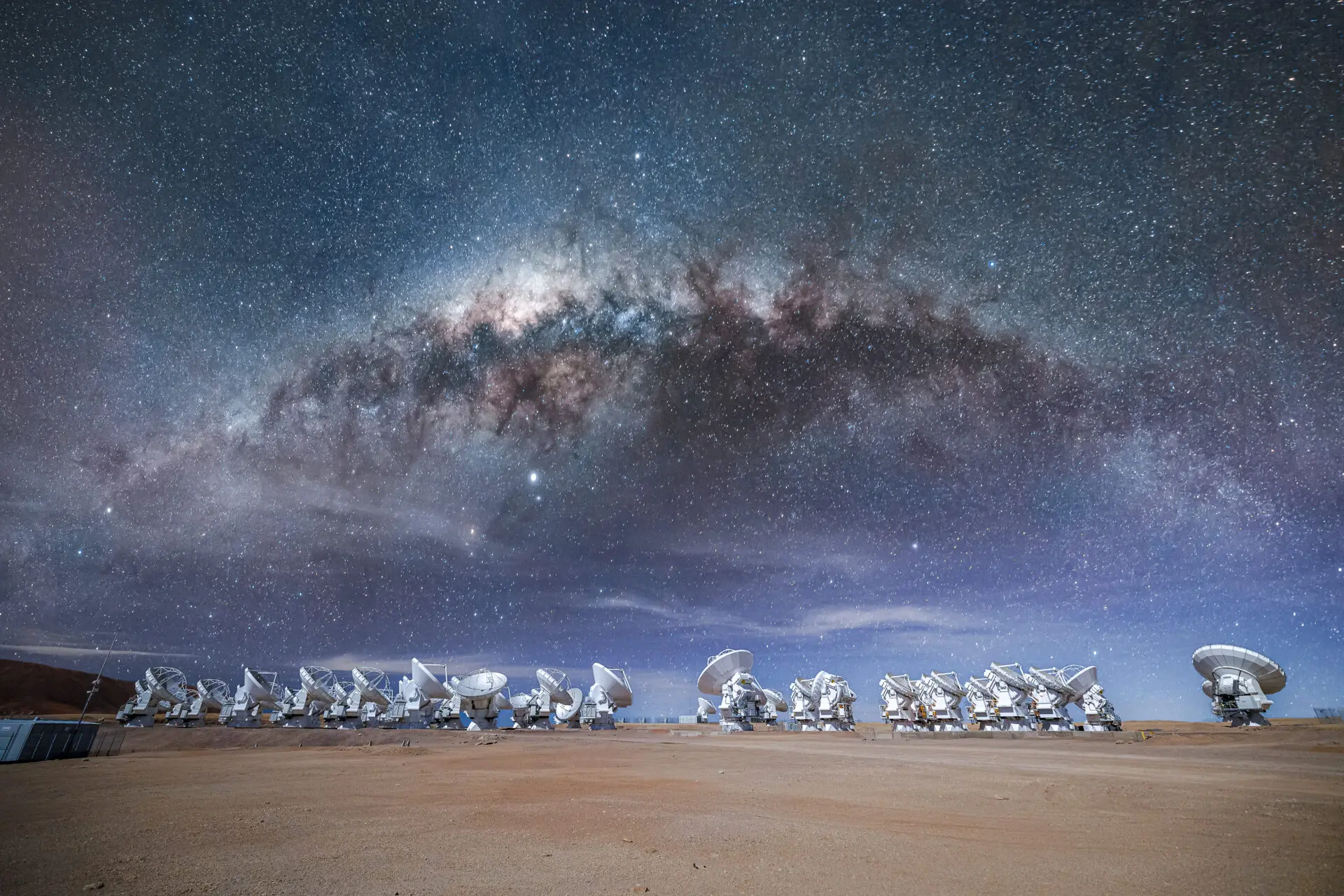
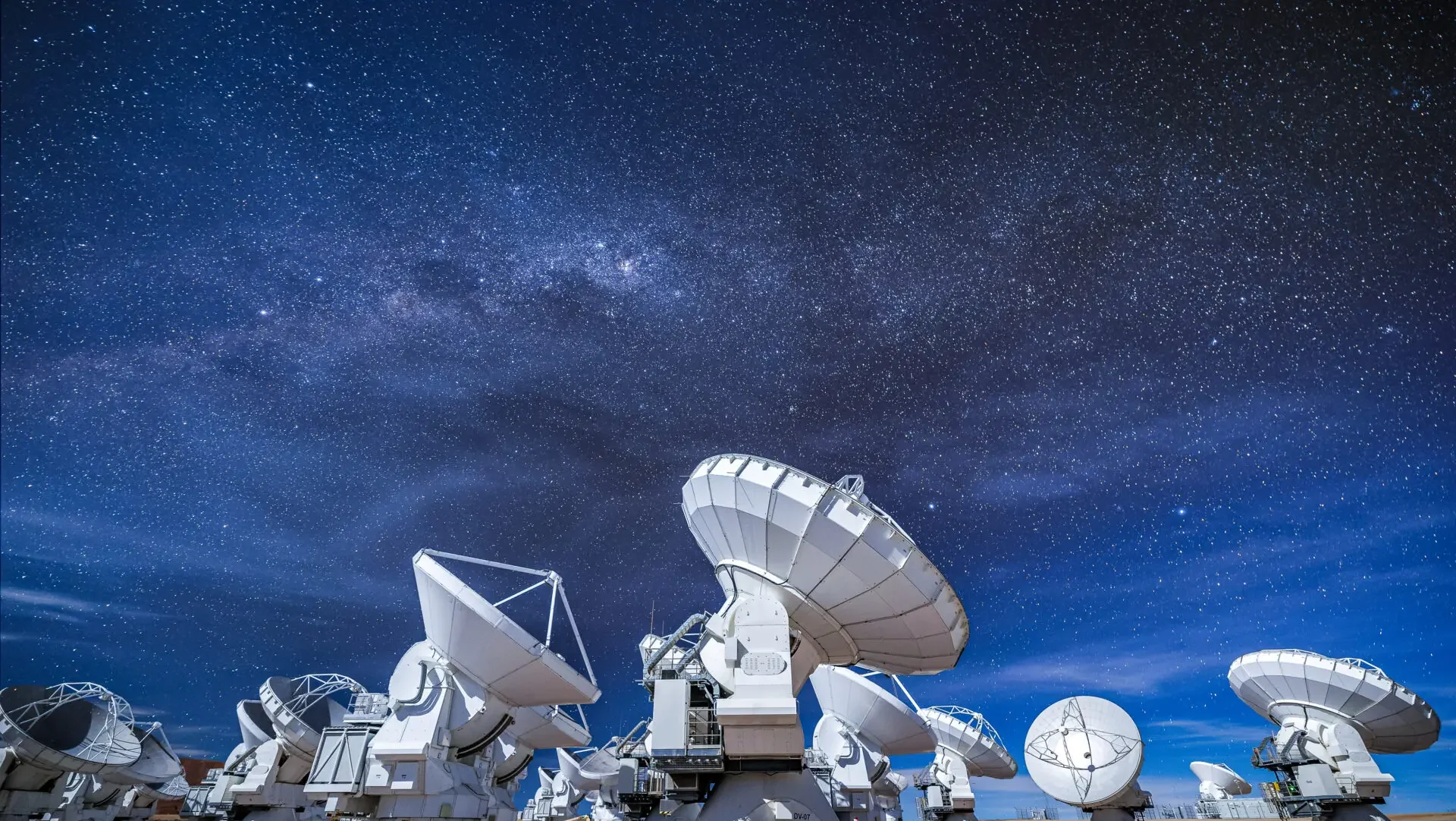
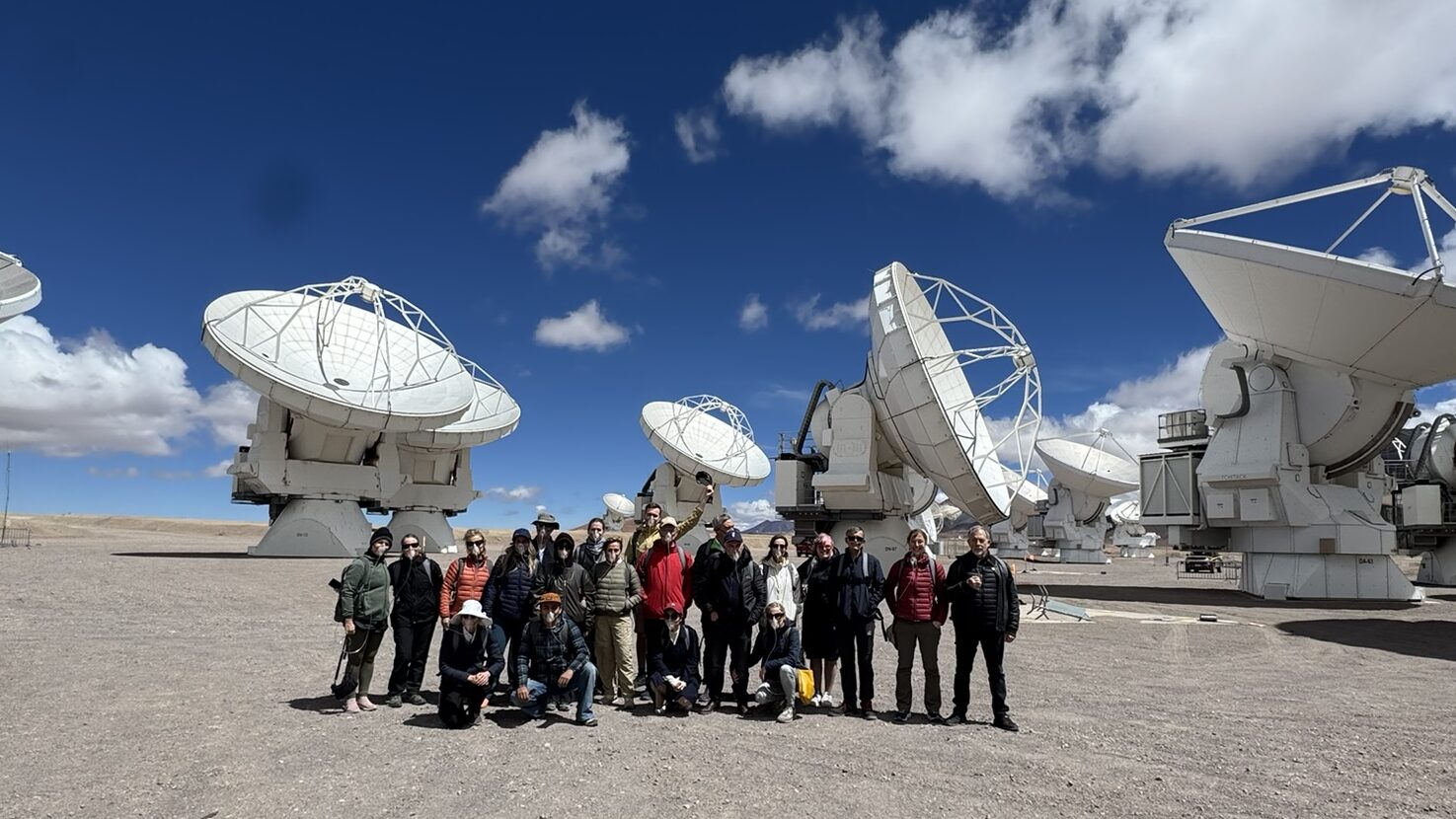
High in the Atacama Desert, where the air is thin and the skies are impossibly clear, something remarkable has been happening for 13 years. ALMA has been listening – patiently, precisely – to the universe’s oldest stories: the birth of stars, the formation of planets, the evolution of galaxies billions of light-years away.
On March 13, 2013, a new era in astronomical exploration began on the Chajnantor plateau, more than 5,000 meters above sea level. What started with a handshake agreement in 1999 became one of humanity’s most powerful eyes on the cosmos – and it exists because of the people who show up every day to make it work.
2025: A Year That Pushed Every Limit
This past year wasn’t just good – it was record-breaking, in every sense of the word.
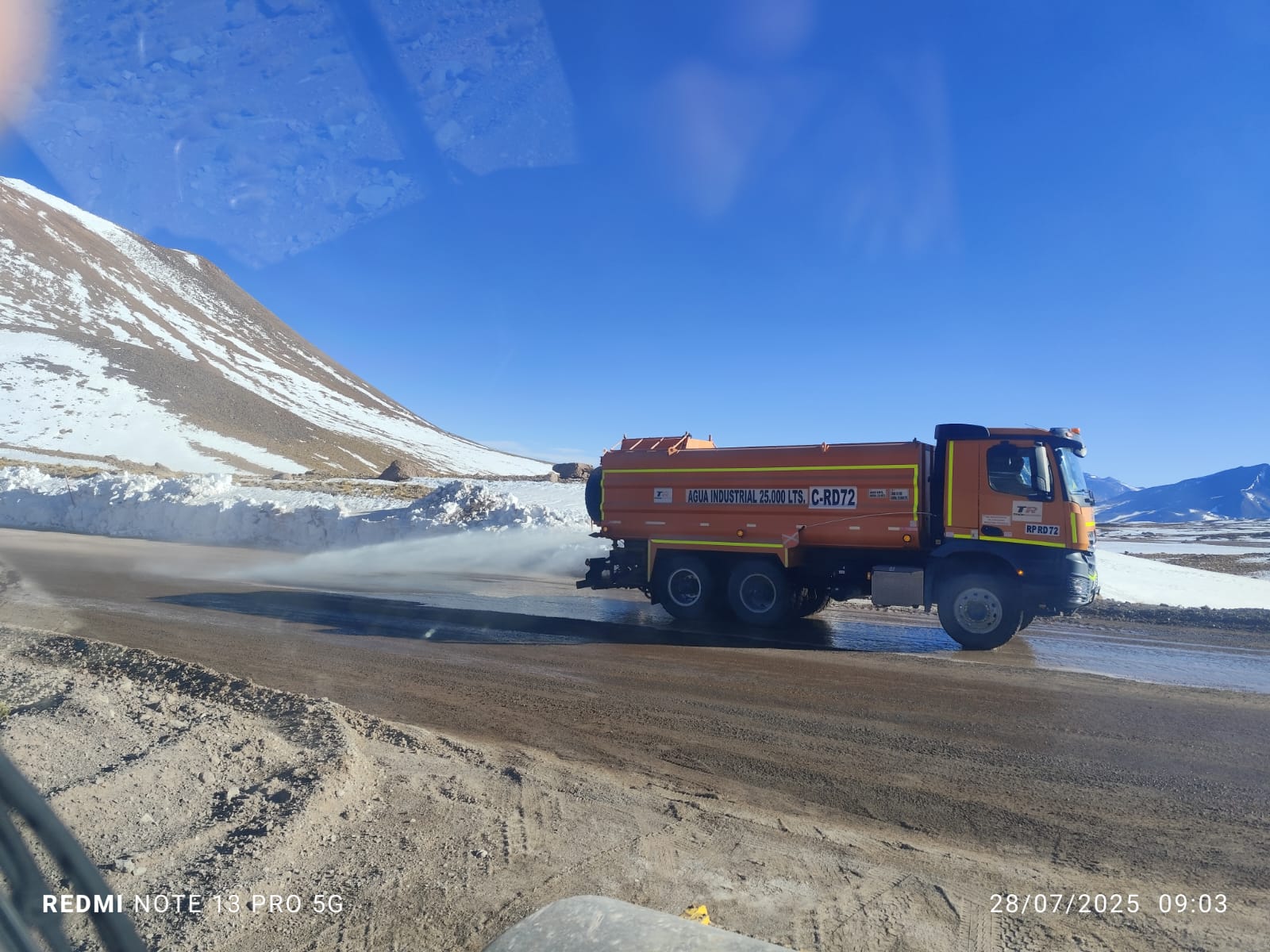
For the second consecutive year, the 12-meter Array delivered a historic 4,496 hours of high-quality scientific data. The 7-meter Array and the Total Power Array matched that energy, setting their own records at 4,201 and 3,240 hours respectively. And all of this happened while facing one of the harshest winters in nearly a decade. The teams working 24/7 didn’t just endure it – they thrived.
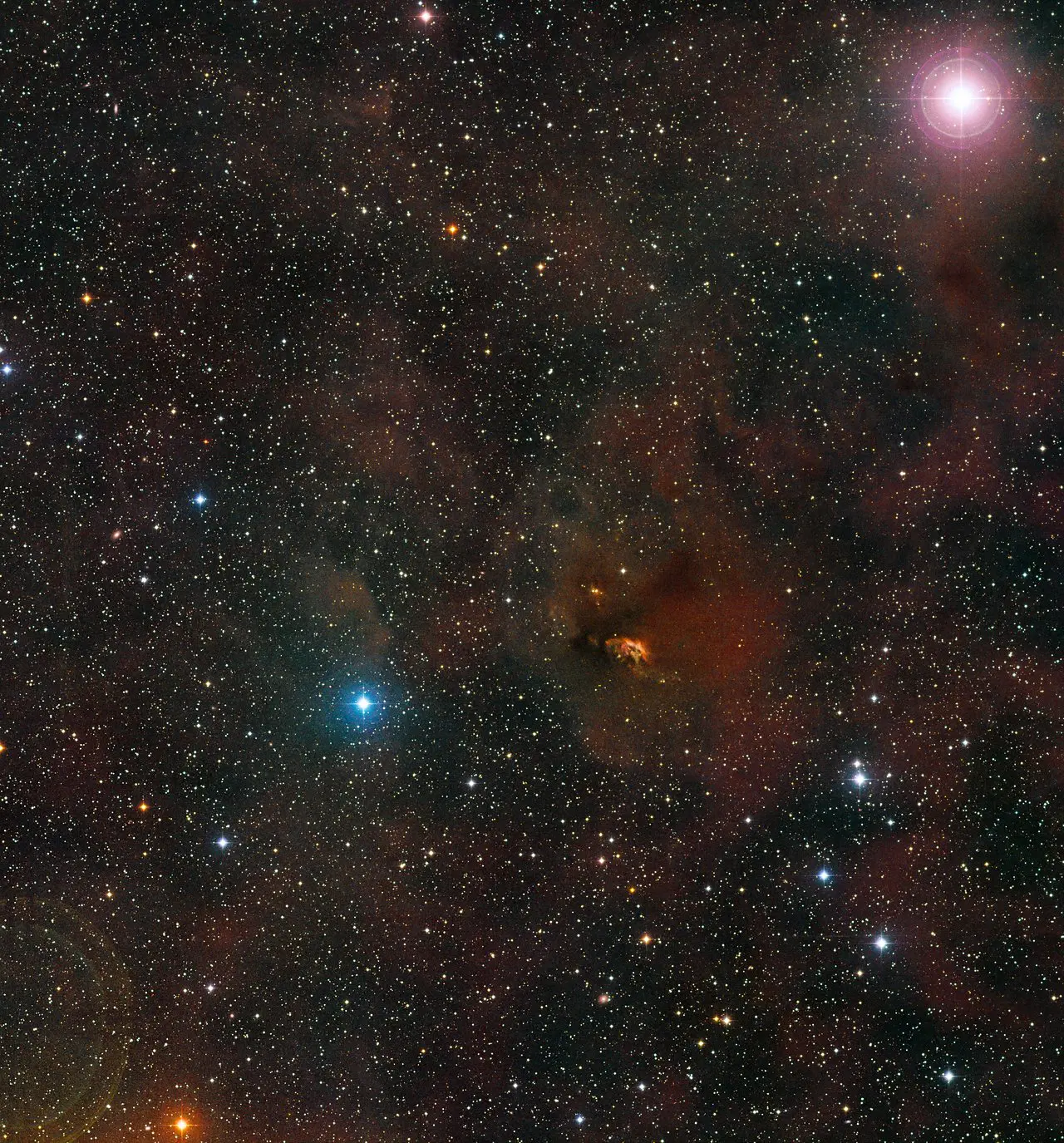
The science speaks for itself: this year, ALMA produced the largest image in its history – a breathtaking mosaic of the Milky Way’s central region, unveiling the intricate web of cold gas surrounding a supermassive black hole. A view no one had seen before.
These milestones have your name on them.
Every observation hour, every technical fix, every night shift – it all adds up to discoveries that will inspire generations of astronomers who haven’t even born yet. That’s the legacy being built here, together.
Join the celebration
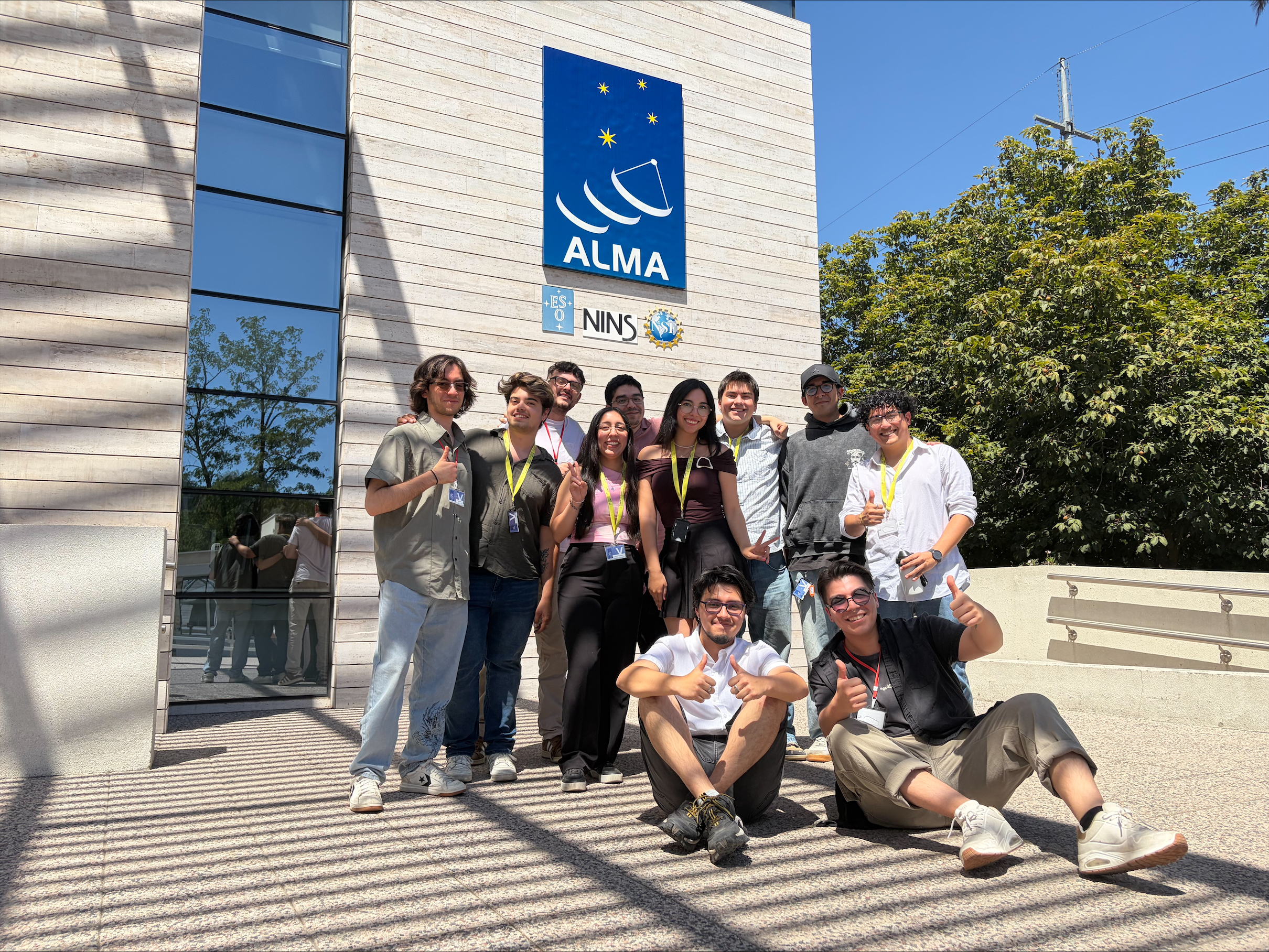
Come mark this milestone with the people who made it possible:
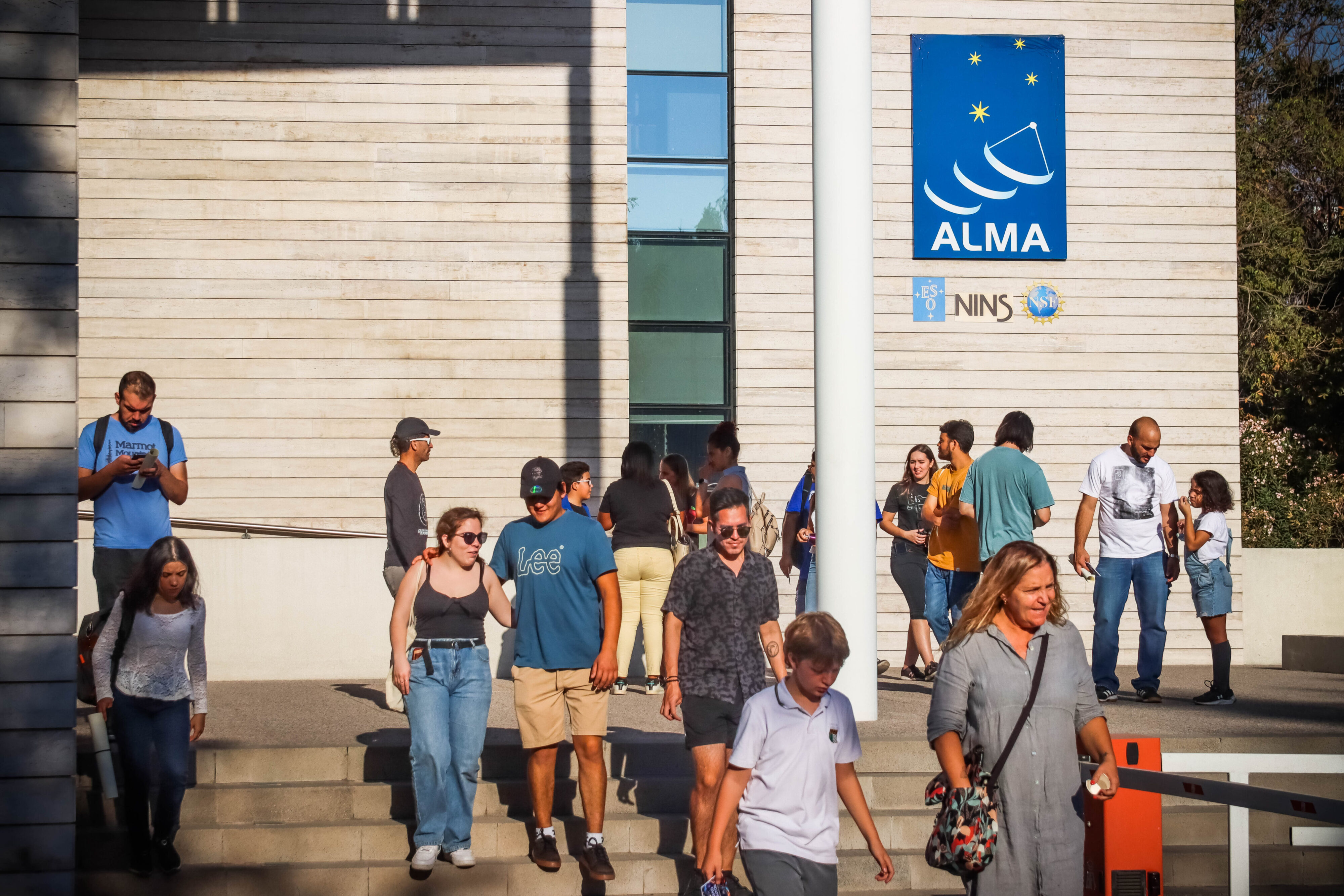
OSF: Friday, March 13, 7:00 p.m.
SCO: Friday, March 13, 11:00 a.m.




0 Comments