

“Our big challenge is to find the balance between the water we really need to operate and using as little as possible”, explains Donald.
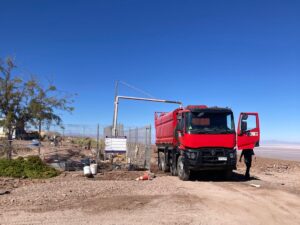
A daily trip of 30,000 liters
The drinking water used by ALMA comes from the Comité de Agua Potable Rural y Alcantarillado de San Pedro de Atacama (CAPRA), whose priority is the local communities. As a result, ALMA can collect up to two truckloads per day.
Each truck carries 30 cubic meters of water (30,000 liters) from San Pedro de Atacama to the OSF, traveling about 30 kilometers. That amount of water is equivalent to approximately 200 five-minute showers or a small domestic swimming pool.
The entire trip takes about three hours, including the round trip, filling up, and returning with a load of about 30 tons, which reduces the speed of the trucks. The entire process—water, fuel, truck rental, and driver—costs about 25 million pesos per month.
“It’s not just the water: bringing it here requires time, fuel, and very precise logistics” Donald points out.
Responsible consumption, even on days of peak demand
Water consumption at the OSF is fairly constant, with an ideal of 60 cubic meters per day, equivalent to two trucks. The water is stored in two 250-cubic-meter tanks connected to the ALMA buildings.
There are, however, peaks in consumption that are especially noticeable during shift changes when showering increases. “It is at these times that small actions, such as taking shorter showers, can make a big difference”, Donald says.
Reuse to reduce impact
After use, the water goes to a pool where it is treated and then reused. When mixed with brine, it is used to irrigate the observatory’s roads, keeping them firm and preventing dust from rising. This system replaces asphalt, reducing environmental impact and giving the resource a second life.
Thanks to this process, about 70% of drinking water is reused. The rest evaporates or infiltrates naturally into the ground.
Detecting leaks and raising awareness
The system has flow meters that allow leaks to be detected in time and unnecessary losses to be avoided. When unusual consumption is recorded, the team analyzes the data to identify whether it is a technical fault or behavior that can be corrected.
Looking ahead, one of the challenges is to recover a third pond that is currently in disuse, which would allow water to be stored for irrigation, green areas, or emergency situations.
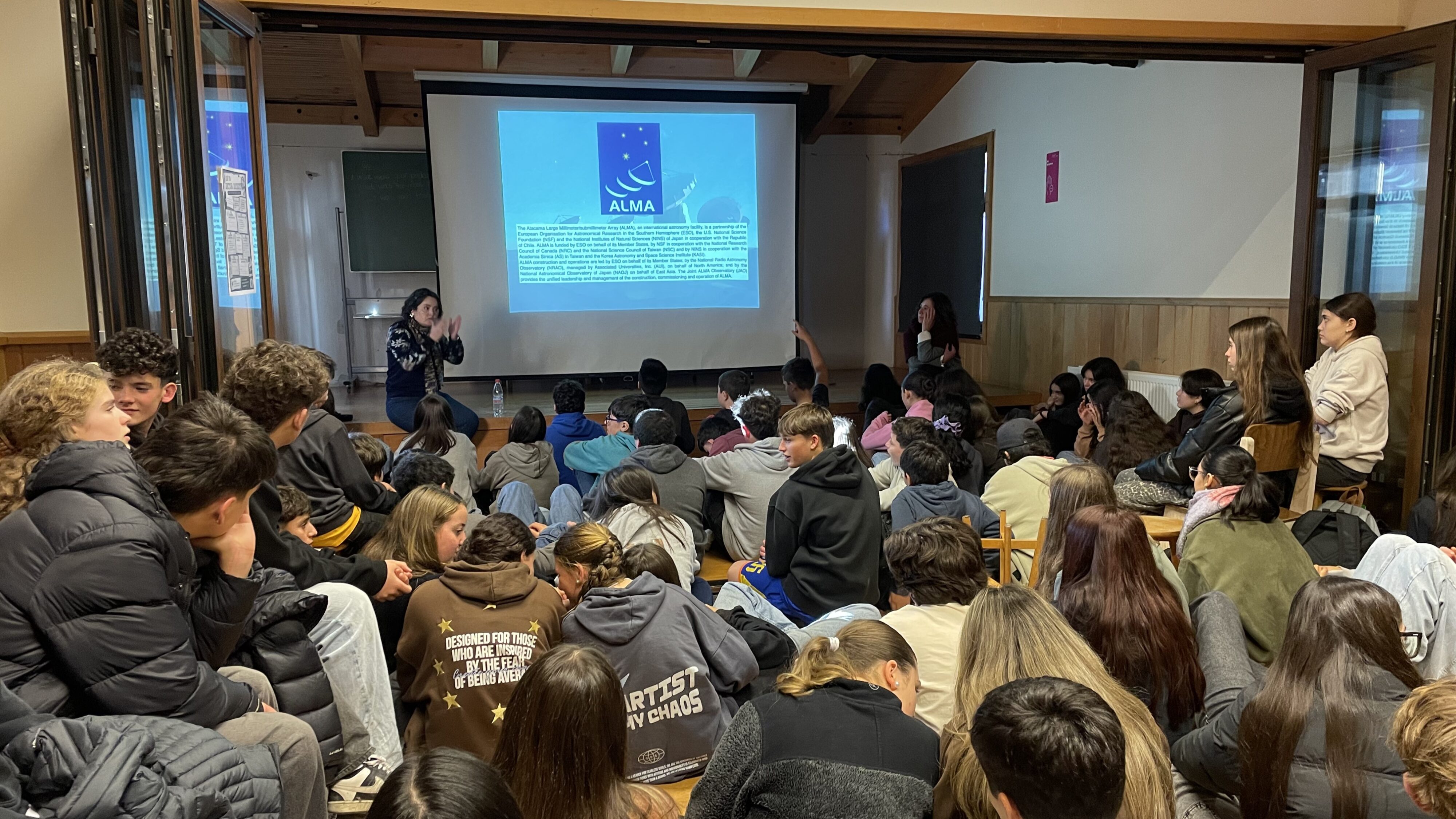
But the most important challenge is cultural: “The biggest challenge is to create a culture of water conservation: to be conscious, modest, and responsible with our consumption”, concludes Donald.
Remember:
- Avoid long showers
- Don’t leave taps running
- Report leaks as soon as possible
- Reuse water whenever possible
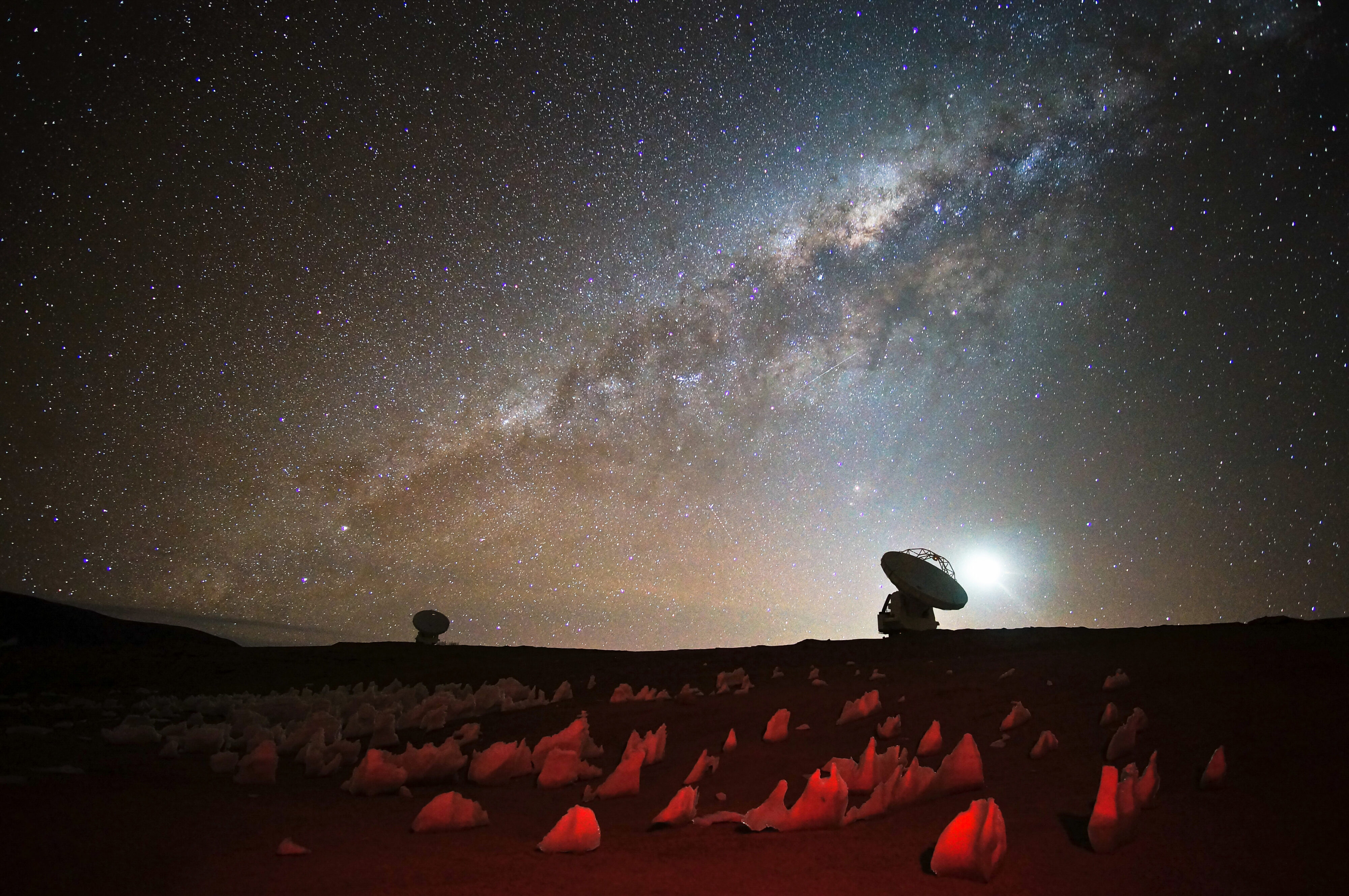
At ALMA, every drop counts. Taking care of it is a concrete way to contribute to the sustainability of the observatory and the care of our environment.

Loading at PTAS
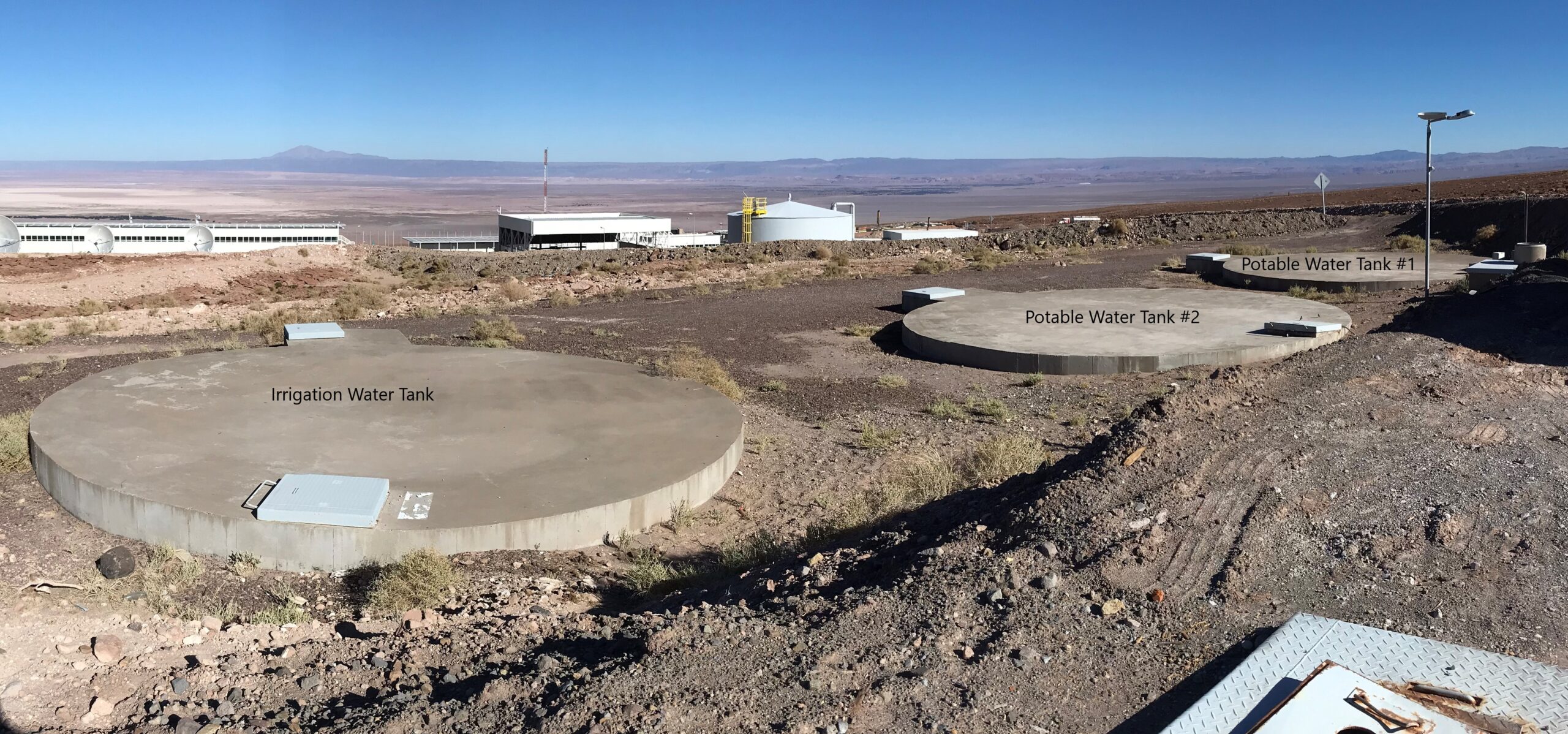
The water tanks
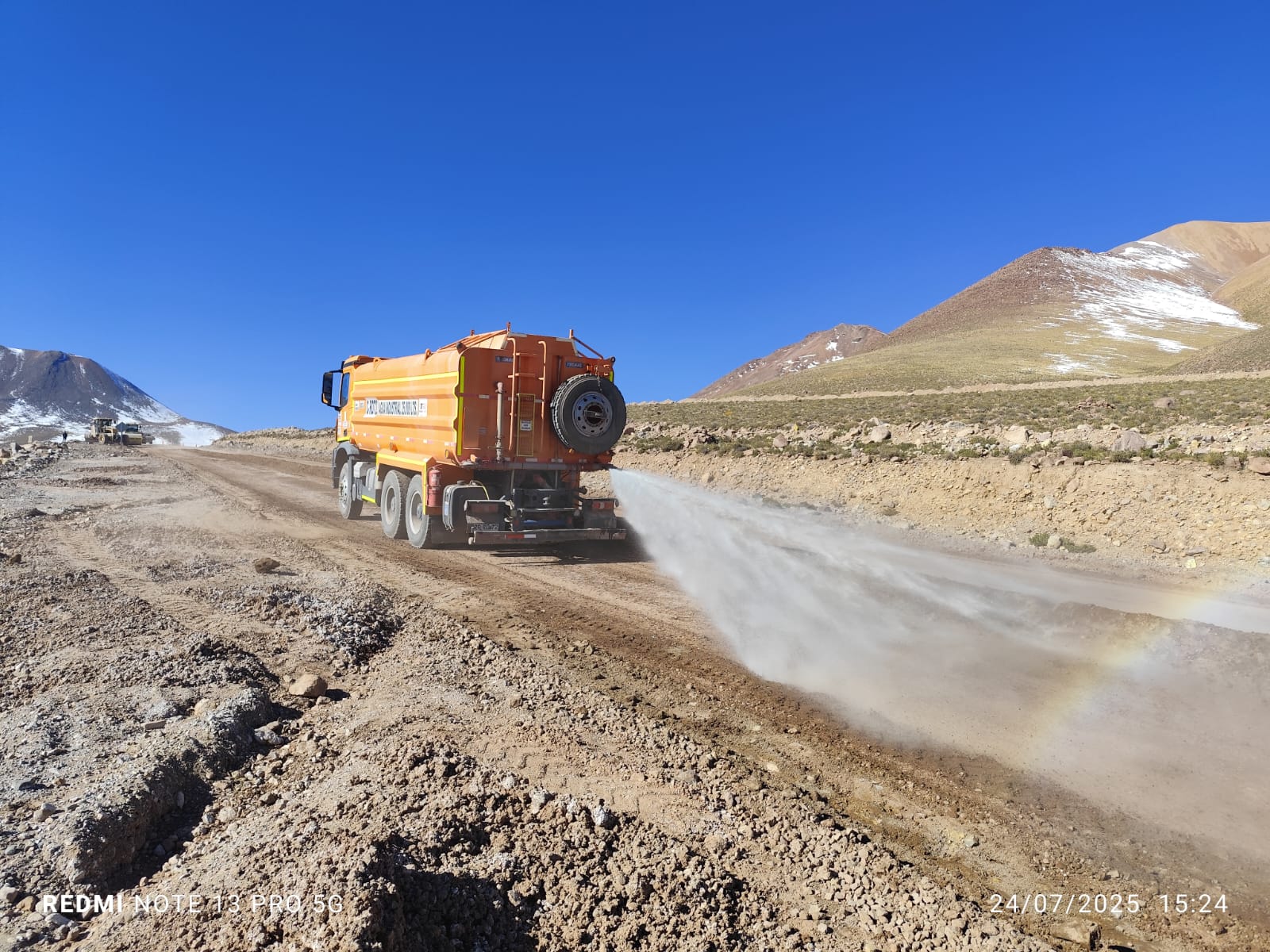
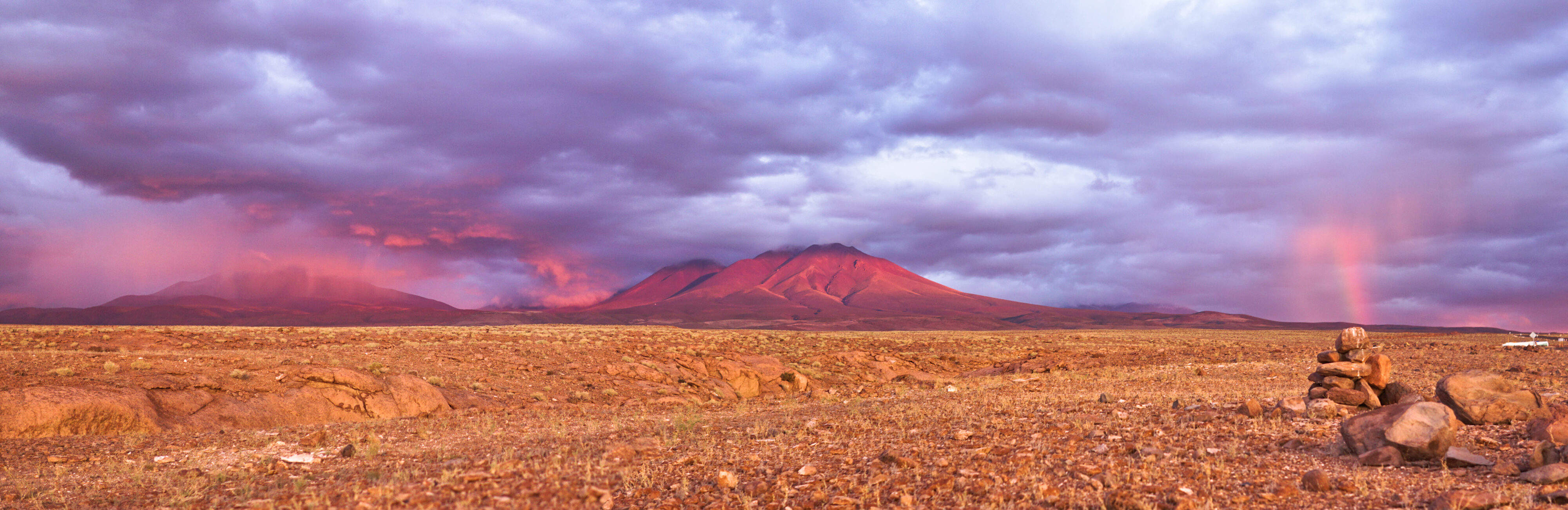
Humidify with rainbow
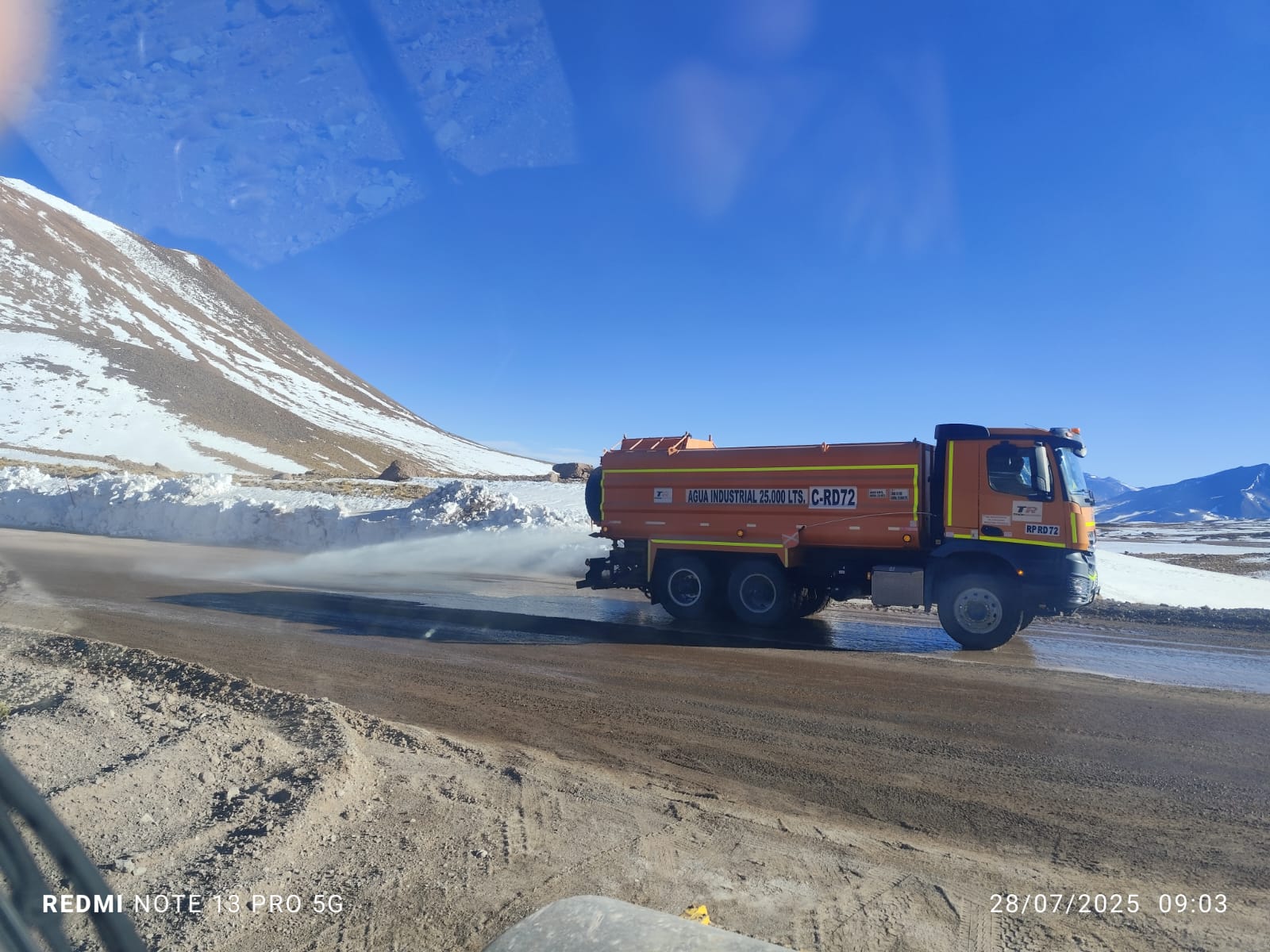
Humidify the road
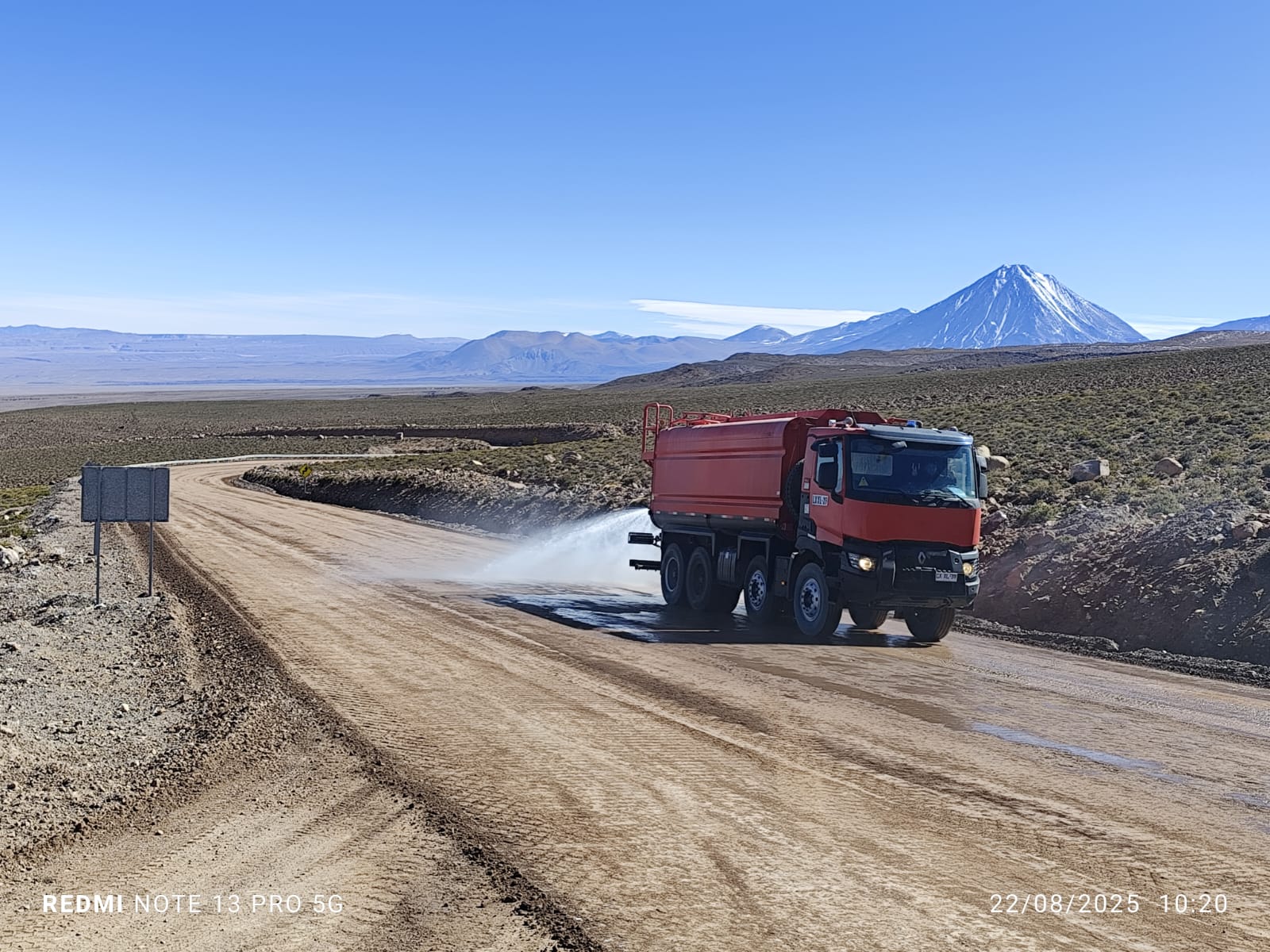
Humidify the road
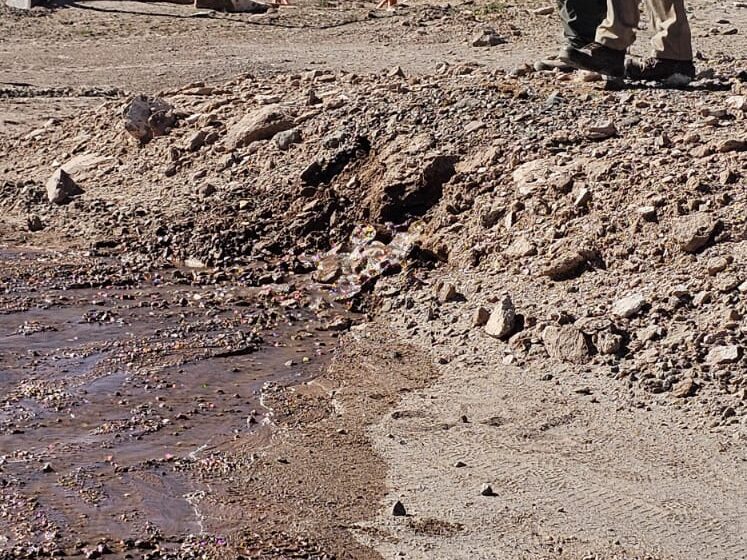
Some leaks are easy to see
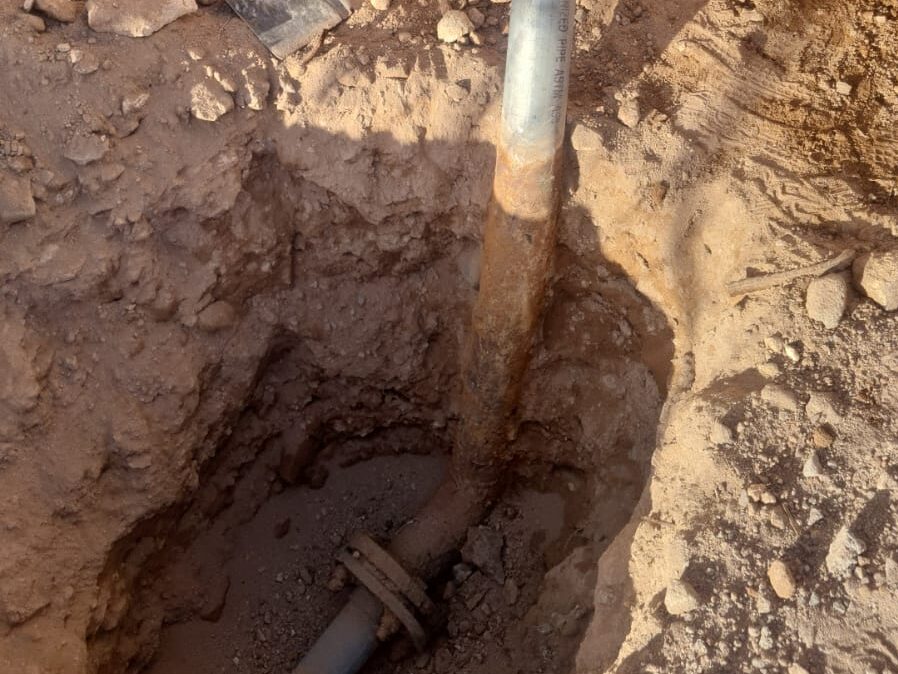
Some damage is hard to see
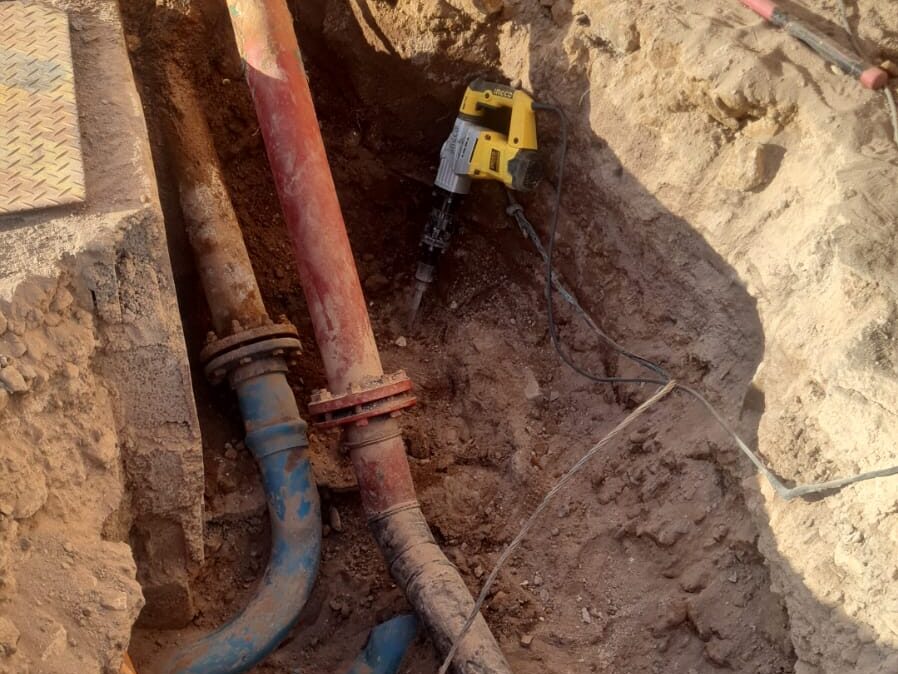
Some pipes are hard to repair
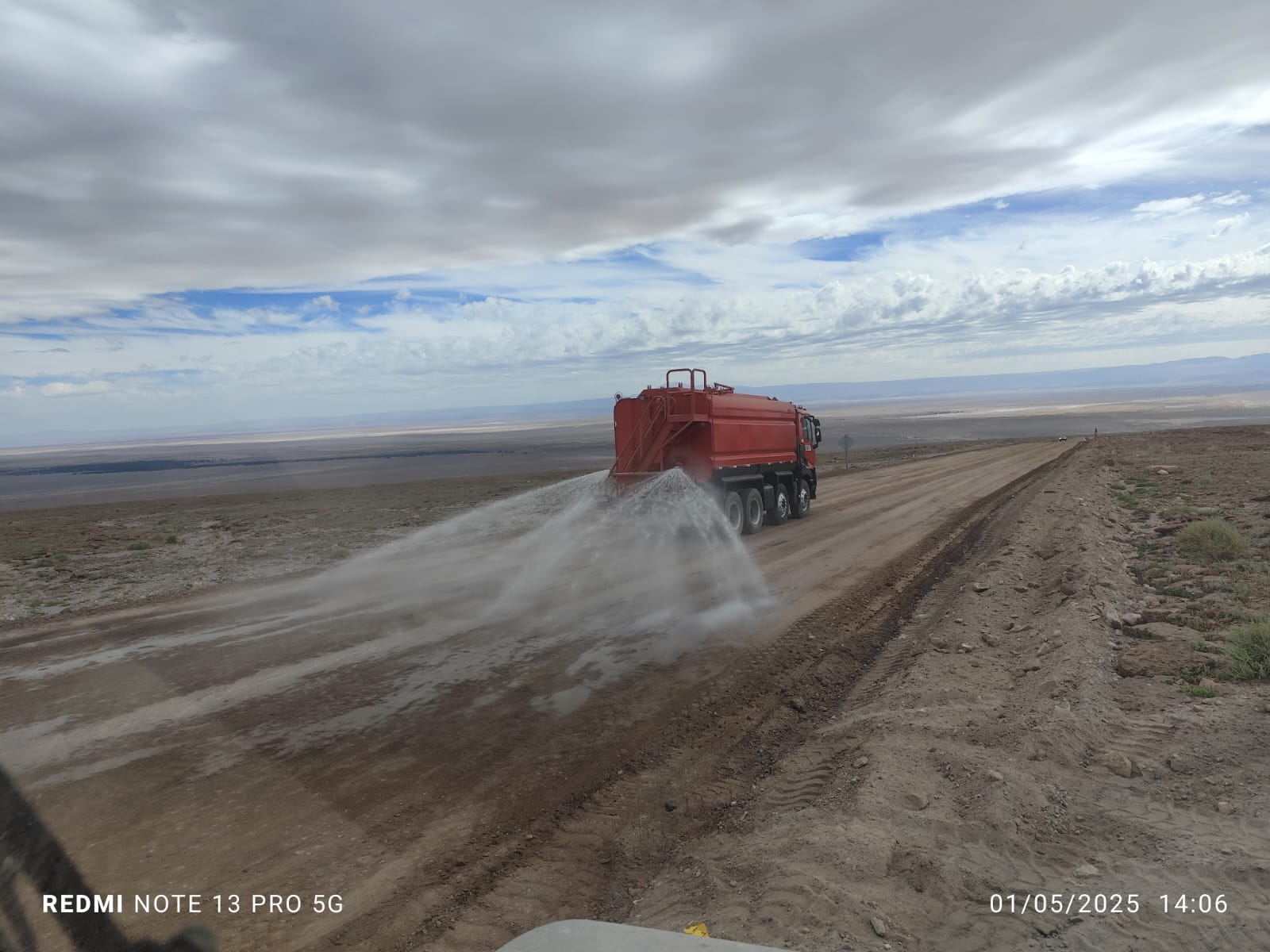
Humidify the road 1



Thanks for the information and the hard work!