


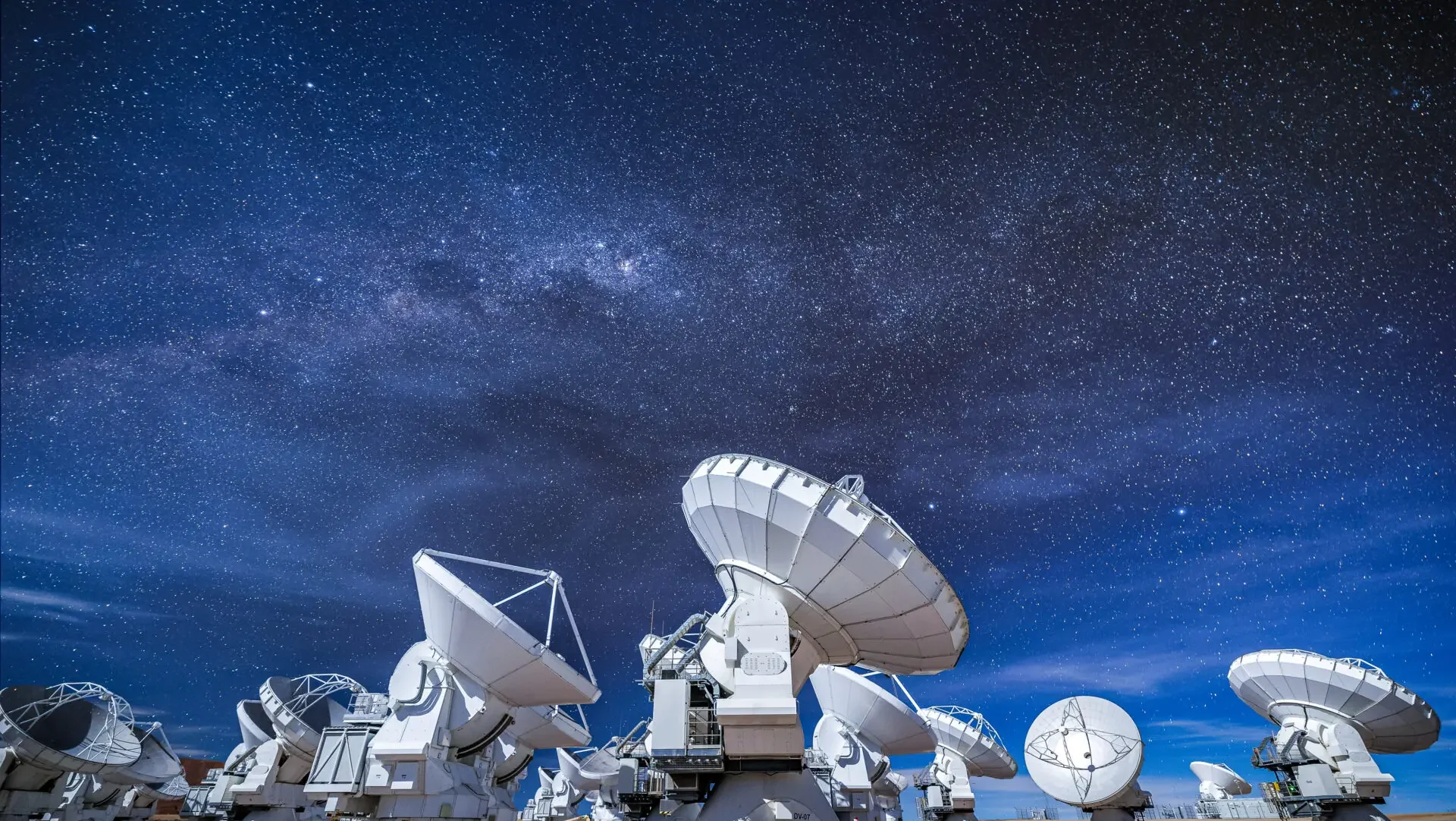
Although scientific observations are temporarily suspended during February, ALMA does not stop. Activities continue 24 hours a day, 7 days a week, during a dedicated period for maintenance, inspections, and tests that ensure the observatory continues operating safely, reliably, and efficiently for the rest of the year.
“We prefer not to use the word ‘shutdown’. February is a month in which we on concentrate essential work that cannot be carried out during normal operations,” explains Norikazu Mizuno, Deputy Director of Operations. “It is key not only to ensuring stable observations for the remaining eleven months, but also to keeping ALMA in good technical and operational condition in the long term.”
One of the central milestones of this period is the planned interruption of the electrical system, which is necessary to inspect and maintain both power generation and distribution. In an observatory of ALMA’s size and complexity, completely shutting down the power once a year is essential. After the power is restored, it takes about a week to fully recover the Array’s operations, including turning on systems and re-cooling the receivers.
In addition, February allows for progress on fundamental tasks such as:
- Software testing for the next observation cycle
- Evaluation of new functionalities and prototypes
- Detailed maintenance of critical systems, such as the correlator and the Central Local Oscillator (CLO), which cannot be serviced during regular operations
“In that sense, February can be considered a comprehensive review of the observatory, combined with intensive testing for future operational sustainability,” Mizuno summarizes.
2026: a February also important for the WSU
The 2026 maintenance period also includes activities that are particularly relevant to the progress of the Wideband Sensitivity Upgrade (WSU). These include the start of excavation work for installing of new optical fibers between the AOS and the OSF, necessary to connect the antennas at the AOS with the OSF correlator room (OCRO) under construction, as well as installation testing of the Band 6v2 receiver prototype at the Front End laboratory.
“This period allows us to move forward with critical WSU activities without affecting observations,” says Álvaro González, Deputy Director of Development.“We have also scheduled infrastructure work associated with the construction of the OCRO and the start of the construction of the new fiber optic system (FOS), which will begin in early February after the mobilization of the team onsite at the end of January.”
Why February?
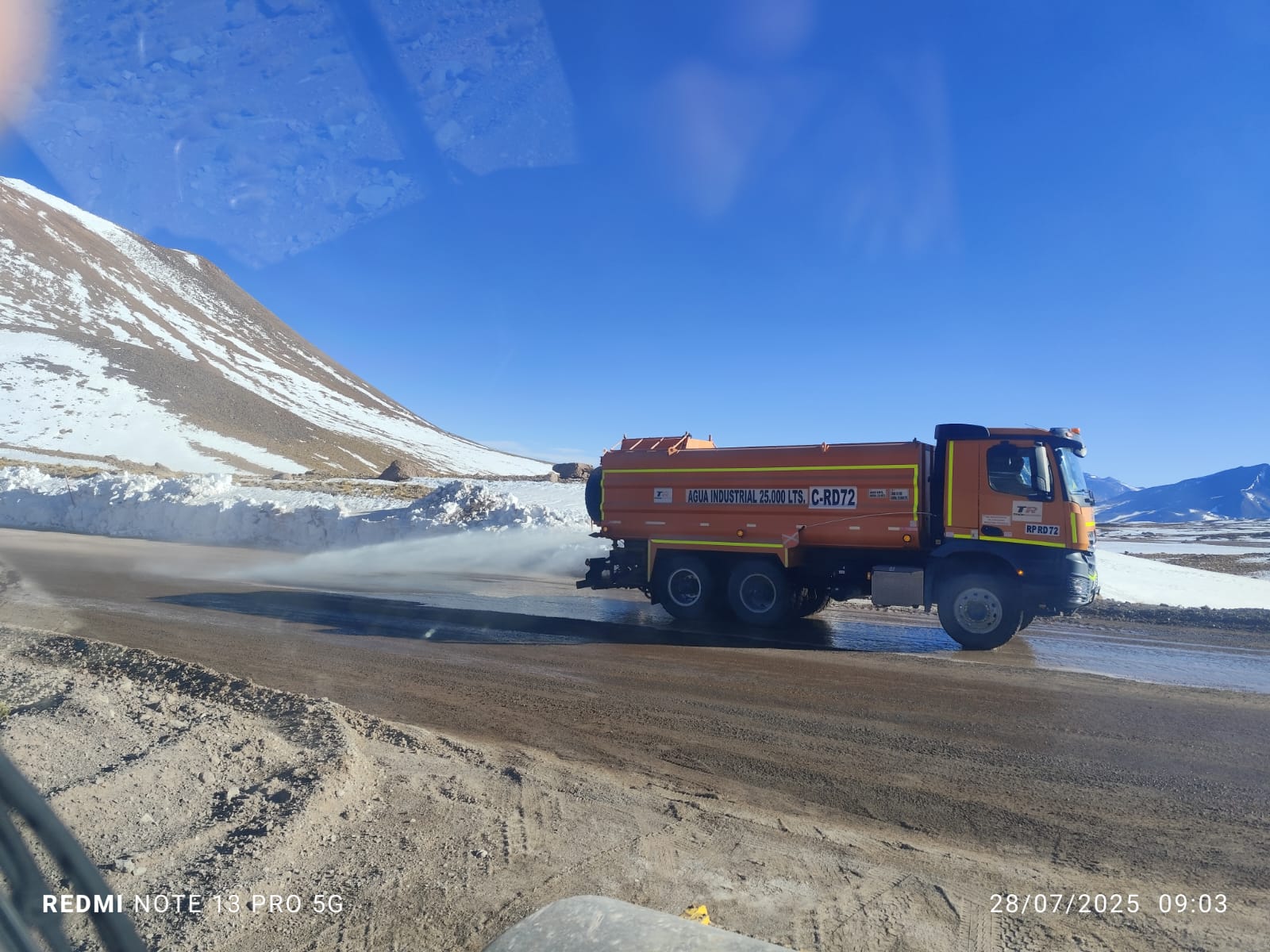
February coincides with the Altiplano winter, a period marked by rain, snow, and thunderstorms, which is statistically the least efficient for sustained astronomical observations. Concentrating the most intensive activities in this month minimizes the scientific impact and better uses the conditions during the rest of the year.
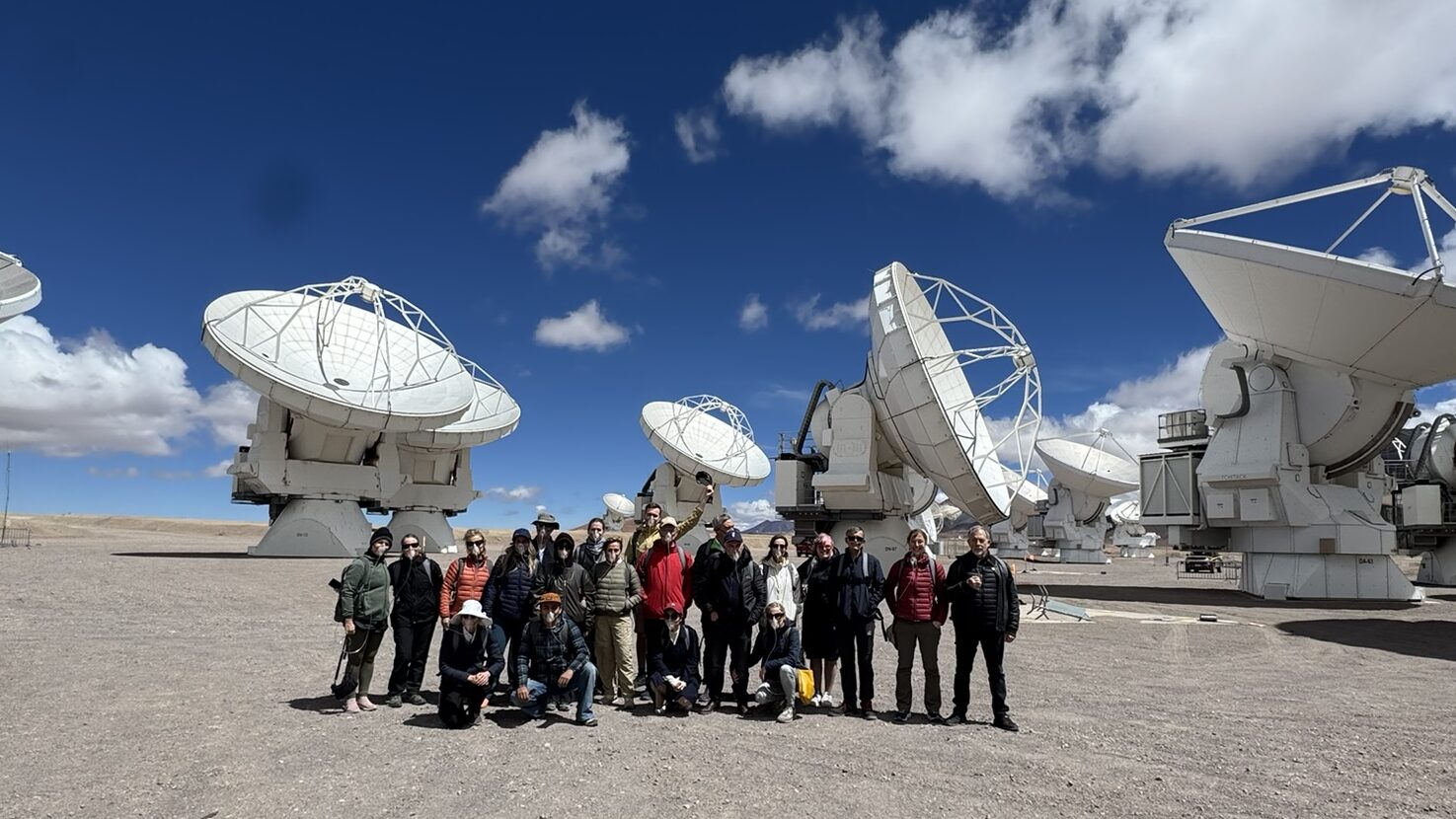
At the same time, it is a particularly active period in the field, with multiple teams working in parallel. Therefore, planning, coordination between areas, and risk management are essential. As always at ALMA, safety is the number one priority, especially considering that many of these tasks are not part of routine operations.
Thus, February is consolidated as a key month for caring for this “living machine” ALMA, and for laying the foundations for the technological and scientific advances that will shape its future.


0 Comments