

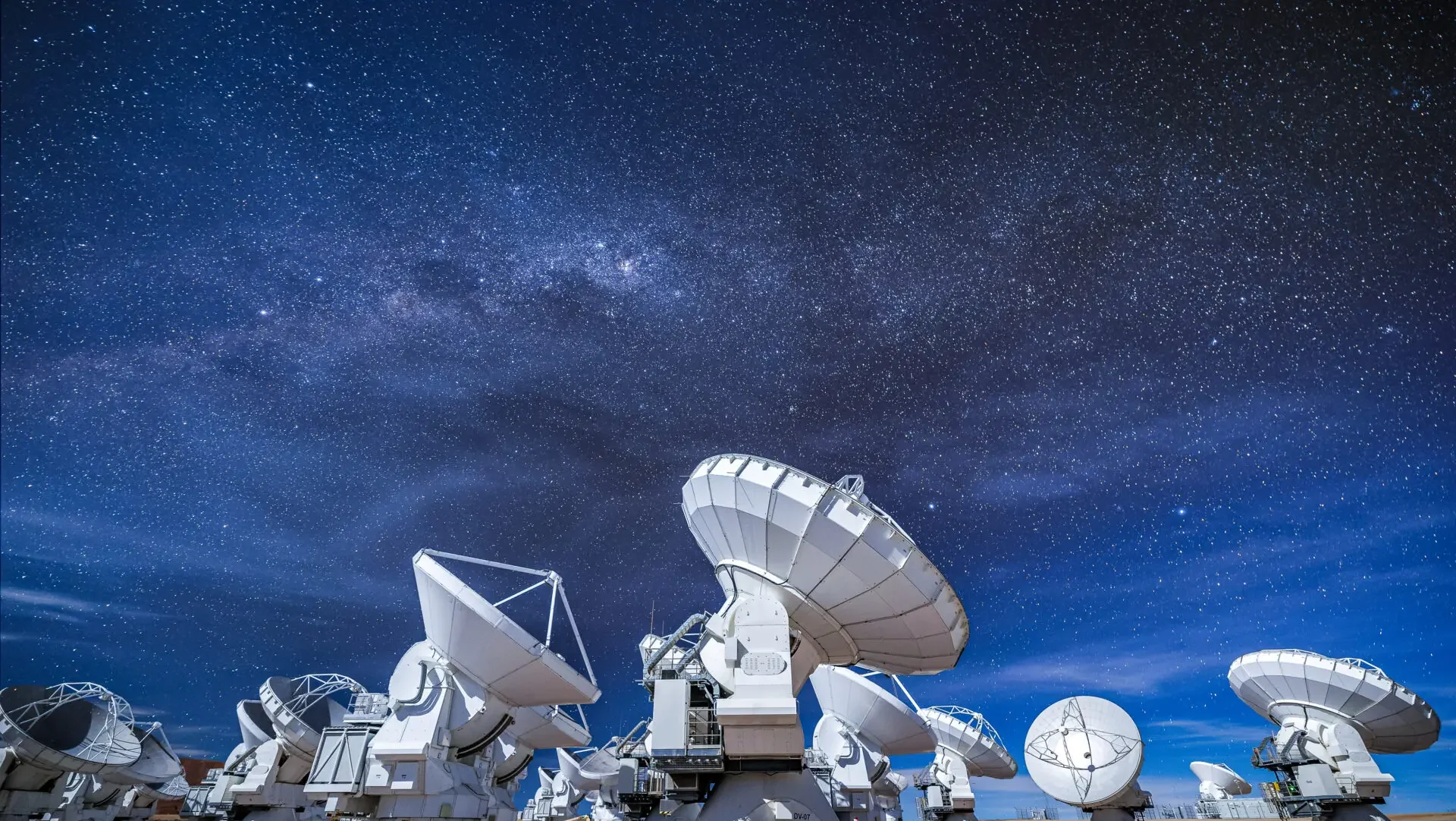
In January 2026, ALMA successfully conducted the first observations for a new VLBI monitoring project, marking the start of an ambitious effort that will continue through March–May this year. Unlike previous campaigns, which focused on short observing windows, this project will monitor the same target over weeks and months, a first for VLBI observations at ALMA.
What makes this year different
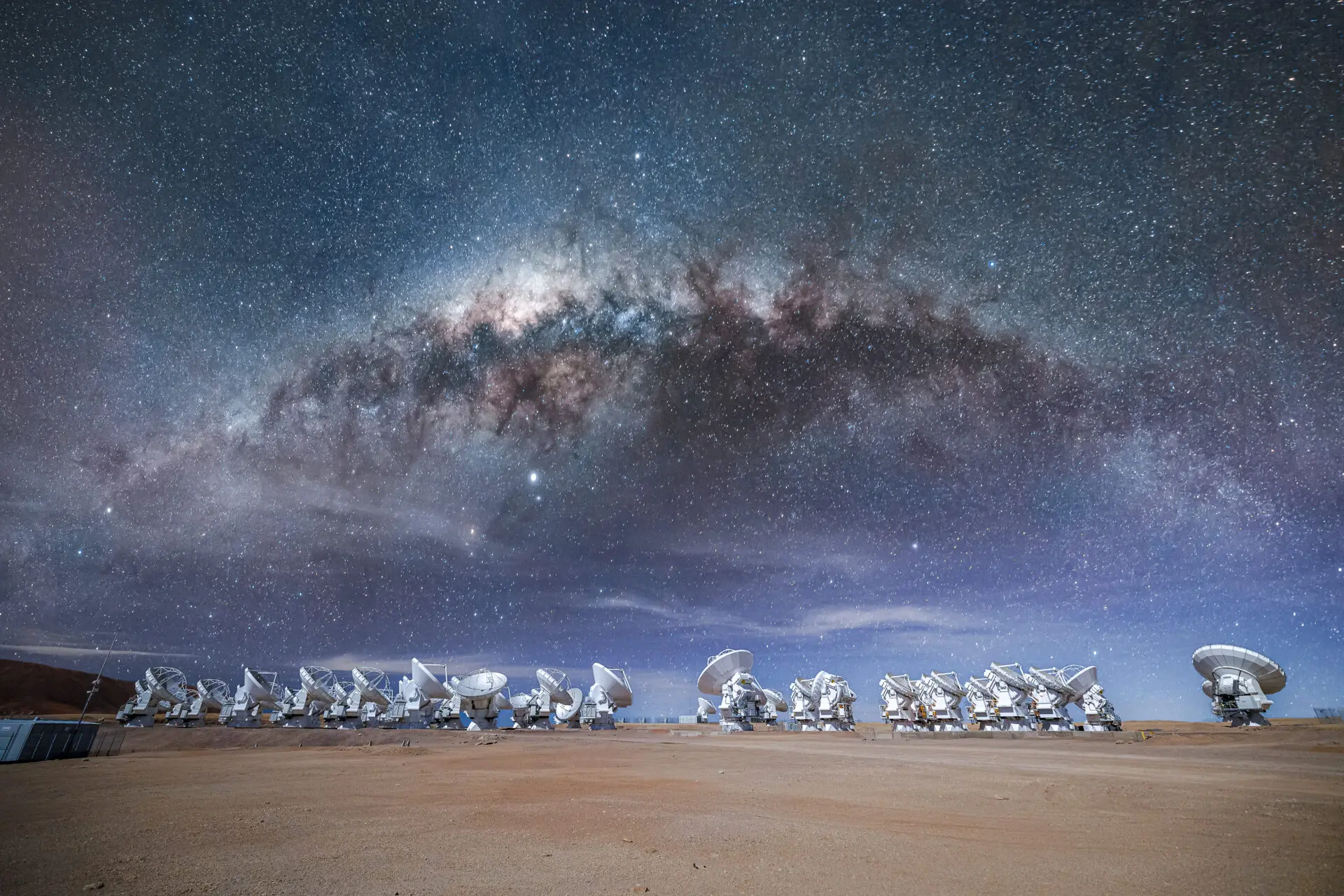
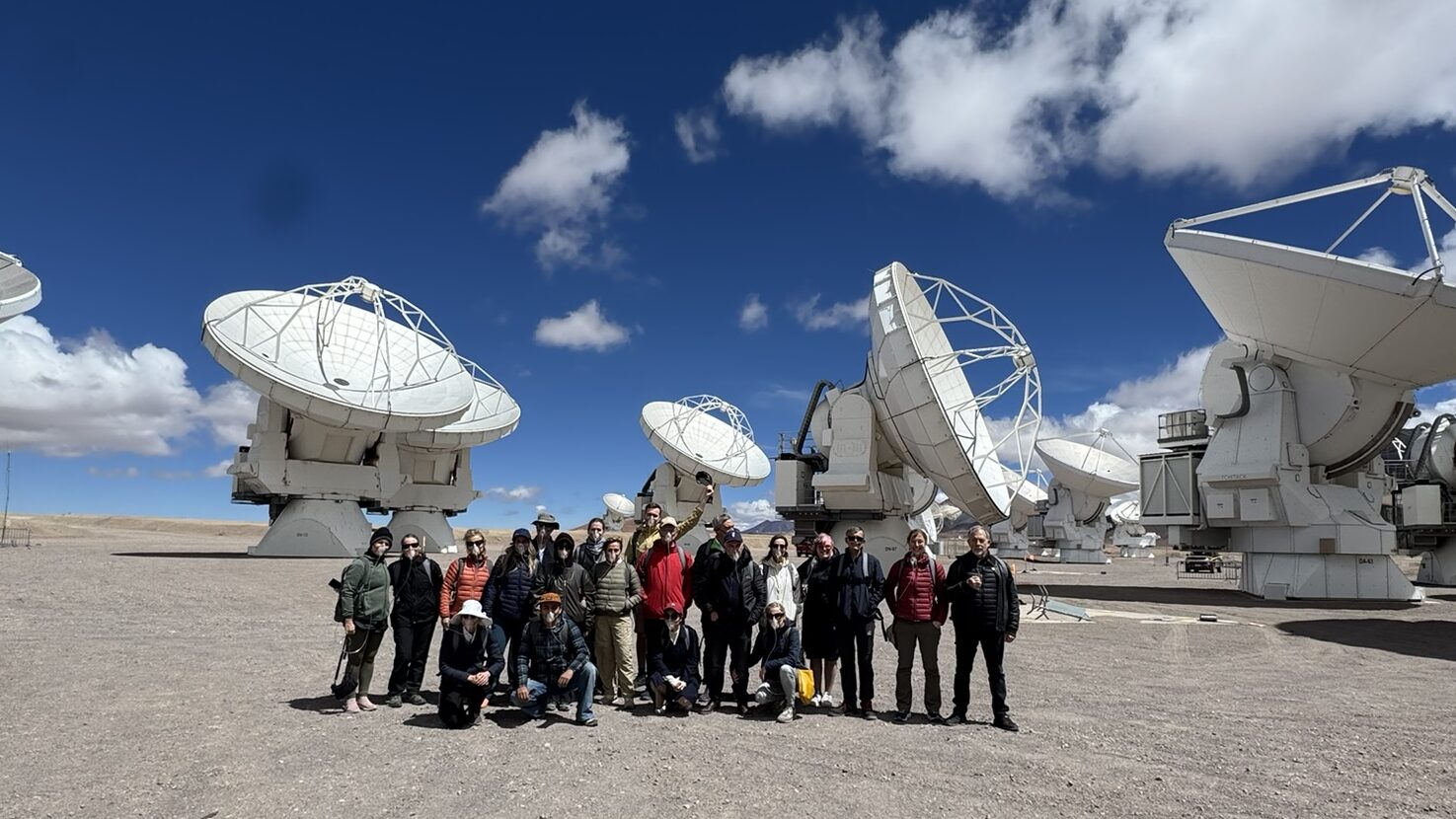
VLBI (Very Long Baseline Interferometry) combines radio telescopes around the world to form a virtual telescope as large as the Earth. When ALMA joins a VLBI network, the signals from its 66 antennas are phased together, allowing ALMA to act as a single, extremely sensitive station.
In 2026, VLBI projects will offer monitoring capability for the first time. The target, the massive black hole in Messier 87 (M87*), will be observed twice per week from early March to early May, allowing astronomers to probe variability on month-long timescales — a regime that has not been explored before.
As VLBI friends leader Hugo Messias explains, previous observations showed little change from day to day, but clear differences when comparing data taken years apart. “The missing piece has been what happens in between,” he says. “This campaign is designed to fill that gap.”
A shared-risk start under challenging conditions
Although the main campaign begins in March, the work started earlier. January is traditionally used for VLBI testing at ALMA, taking advantage of periods of poorer weather. This year, that testing window was used to carry out a shared-risk observation, effectively the first visit of the monitoring project, while validating the full VLBI system.
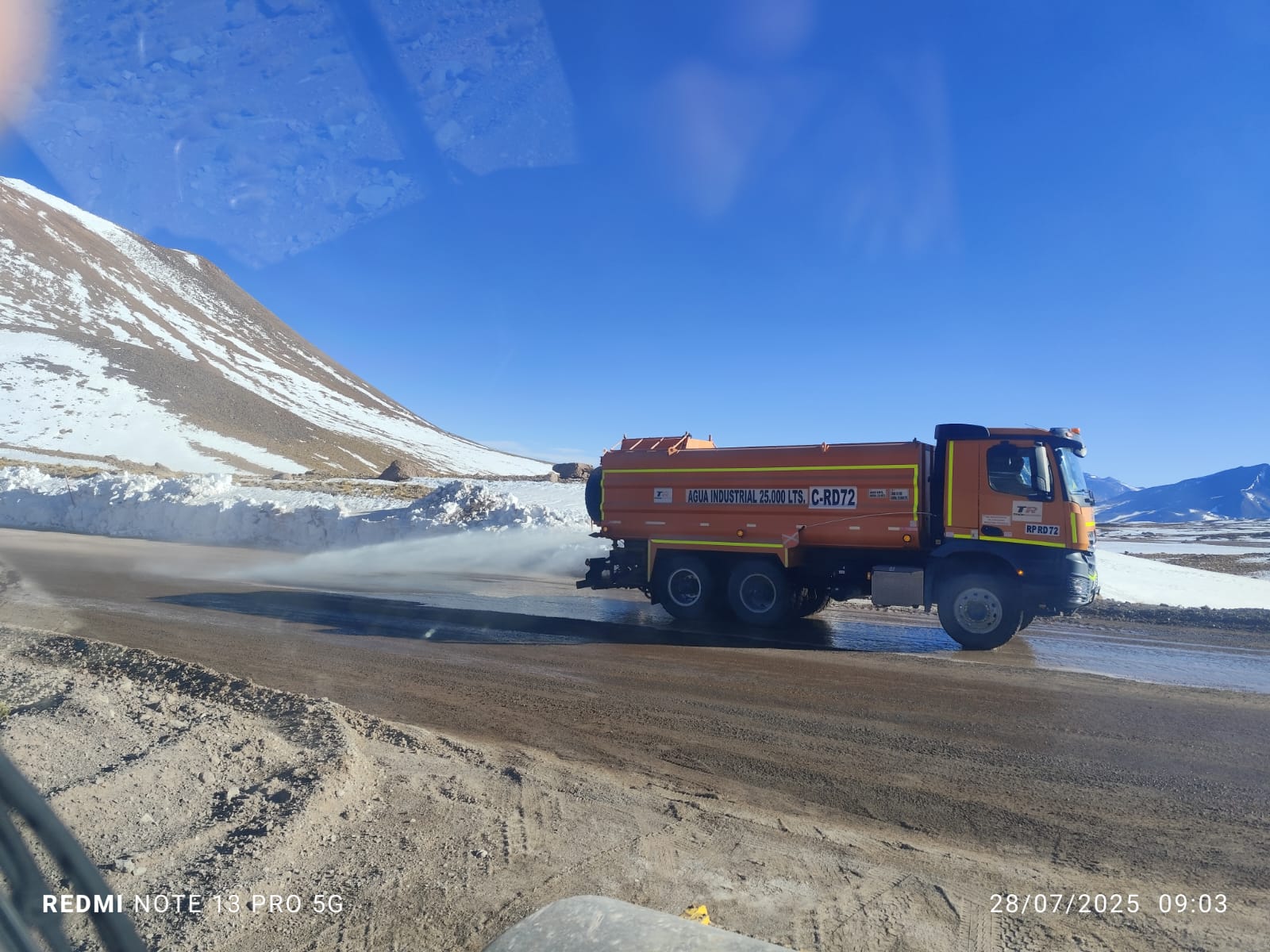
The observation took place under challenging conditions, with snow and bad weather forcing a shutdown the previous night. Despite expectations of worsening conditions, a narrow weather window opened, allowing ALMA to observe successfully together with several other VLBI stations worldwide.
Why does VLBI take so many people
VLBI observations are among the most complex operations conducted at ALMA. For this year’s two-month monitoring campaign, continuous coverage and reliable handovers are essential.
“This simply cannot be done by one person or one small group,” says Messias. “We rely on shared knowledge, handovers, and overlapping expertise to avoid single-point failures.”
The effort involves close coordination between VLBI science operations, software and computing teams, correlator support, and both local and remote experts. Many teams contributed in the weeks leading up to the observation, including late-stage troubleshooting, recorder and module swaps, software fixes, and system validation — in some cases continuing up to the morning of the observation itself.
“This was a great example of teams working together across boundaries,” Messias notes. “Because everyone knows their role, we can focus on the observation itself while trusting the system around us.”
Learning from both ends of VLBI
For newer members of the VLBI Friends Team, the campaign also offers a valuable opportunity to see VLBI from a different perspective. VLBI Friend Suma Murthy, who previously worked on the correlation and imaging side in Europe, highlights the contrast.
“Now I’m seeing the other end of the process,” she says. “How much work does the station have to do locally before the data ever leaves ALMA. It’s a completely different aspect of VLBI, and it’s exciting to learn.”
ALMA’s role in the global array
ALMA plays a central role in any VLBI network due to its sensitivity. By anchoring the array, ALMA makes it easier to correlate data between stations and enables higher-quality imaging — including the ability to split observations in time, which is essential for monitoring variability.
As VLBI Friend David Rebolledo puts it, “Being part of this effort reminds you how complex — and how rewarding — these observations really are.”
Looking ahead
The main VLBI monitoring campaign will run from March to May, with ALMA staff rotating responsibilities to support multiple observing weeks. For some team members, this will be their first experience with long-term VLBI monitoring.
Beyond the science, the campaign highlights what makes ALMA unique: deep expertise, strong coordination, and the ability to operate as part of a truly global observatory.
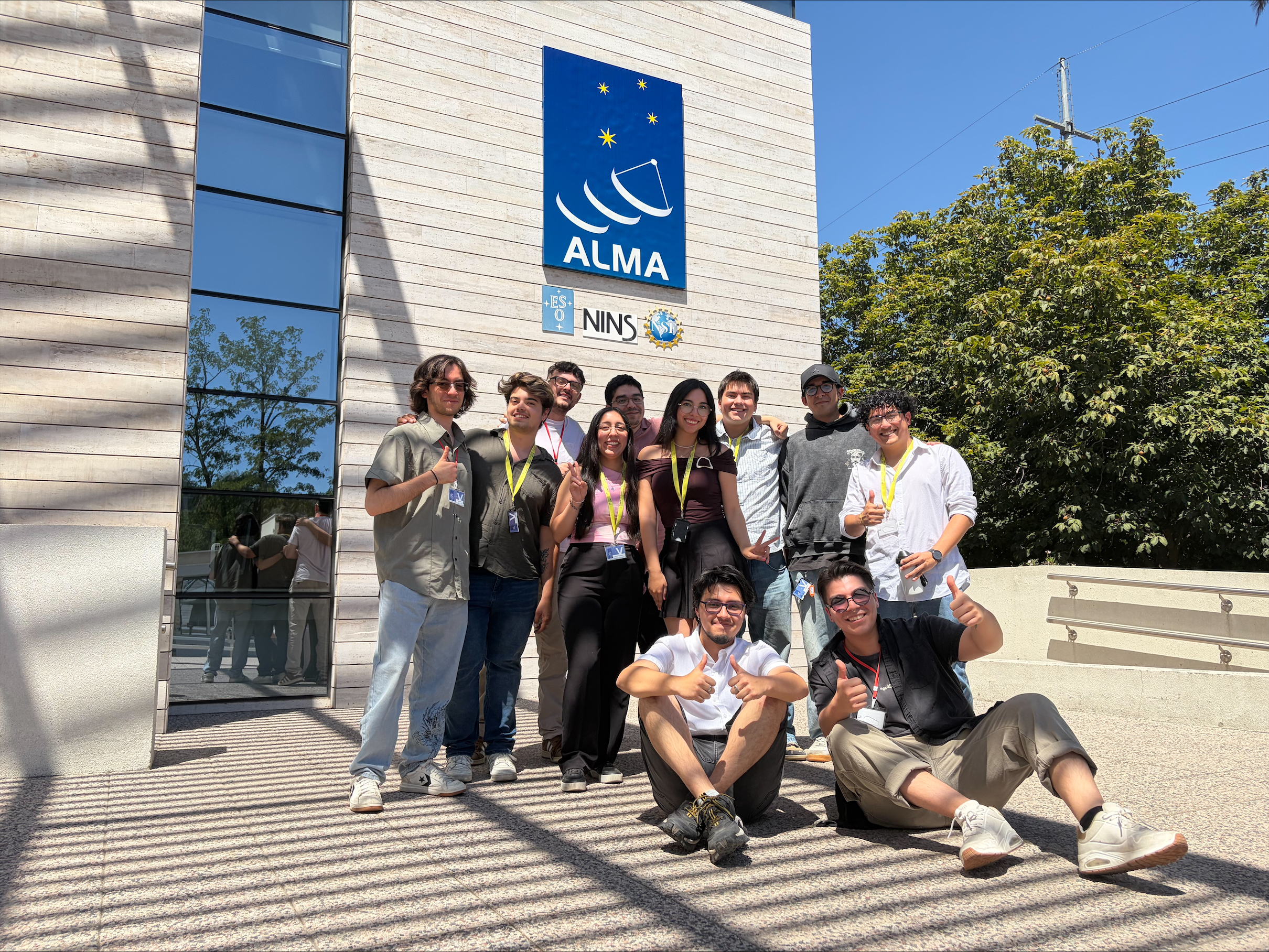
The complete list of staff involved in VLBI observations is led by Hugo Messias and composed of David Rebolledo, Evgenia Koumpia, Andrealuna Pizzetti, Suma Murthy, and Akihiko Hirota in DSO; Alejandro Sáez, Javier Rojas, Eduardo Anais, and Francisca Adasme in ADE; Johnny Reveco, Enzo Barbaguelatta, Sebastián Rodríguez, Joaquín García, Felipe Pizarro, and Ernesto Roca in ADC.



0 Comments