

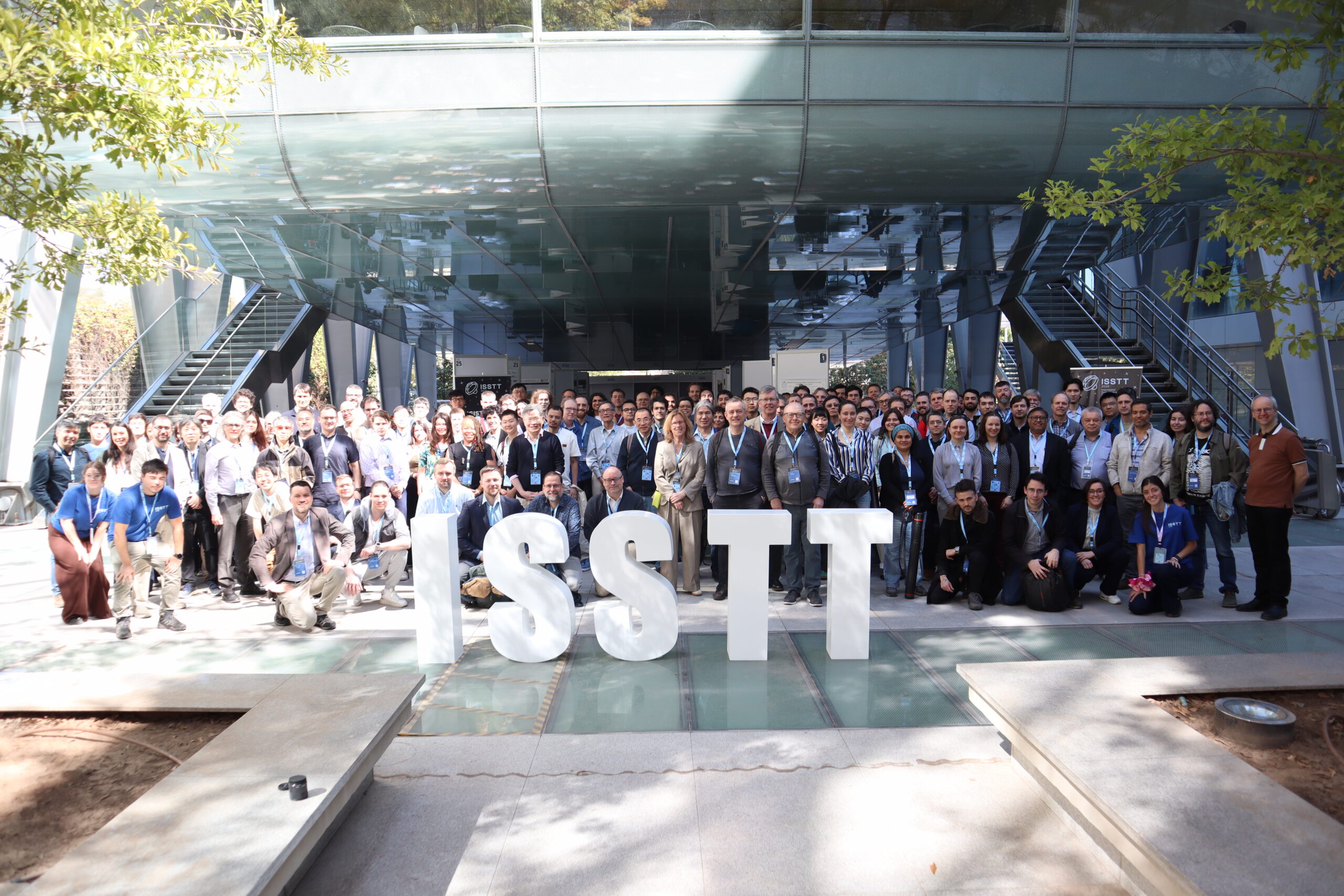
For the first time in 36 years, the International Symposium on Space Terahertz Technology (ISSTT) came to the Southern Hemisphere, and ALMA was at the center of the discussion.
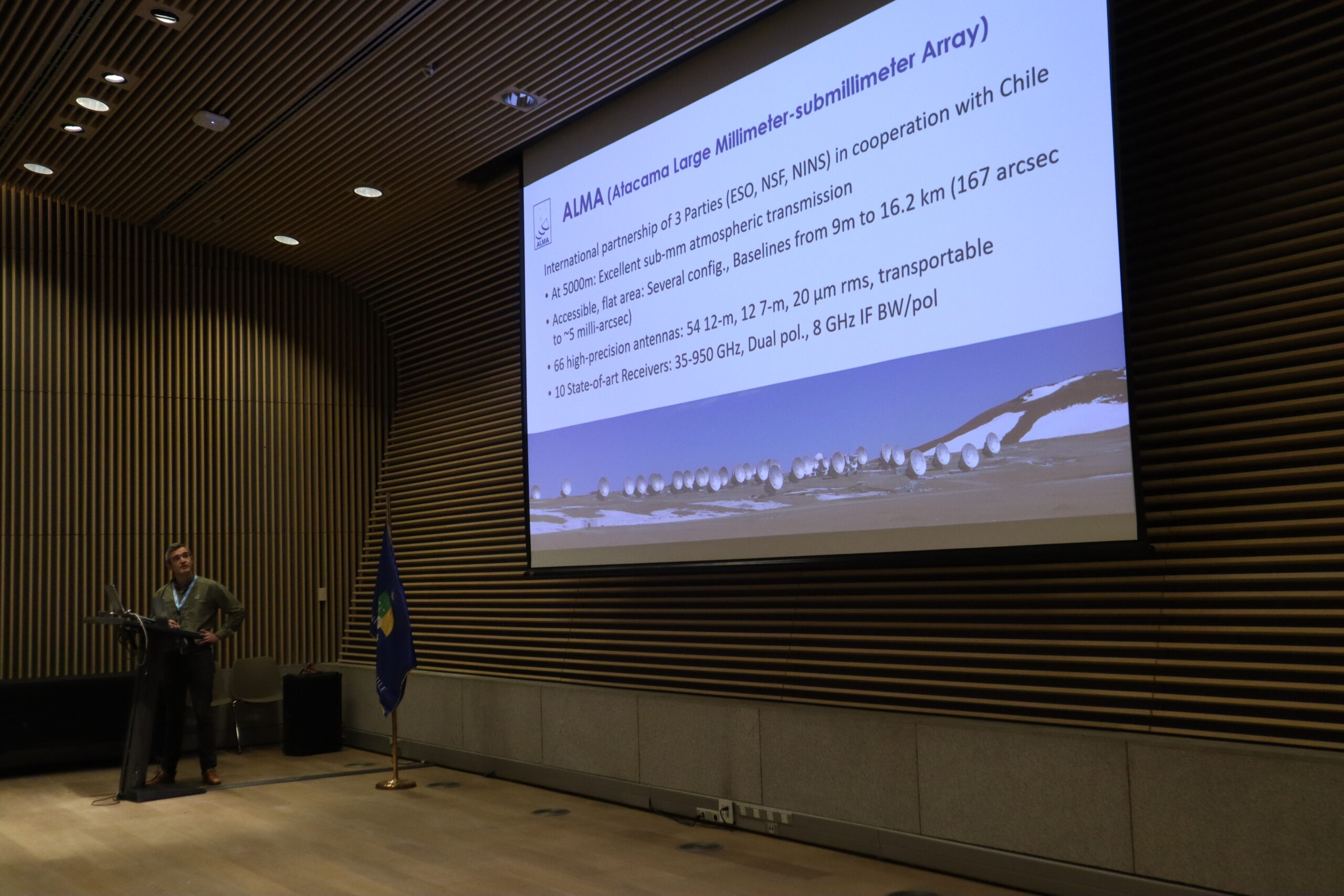
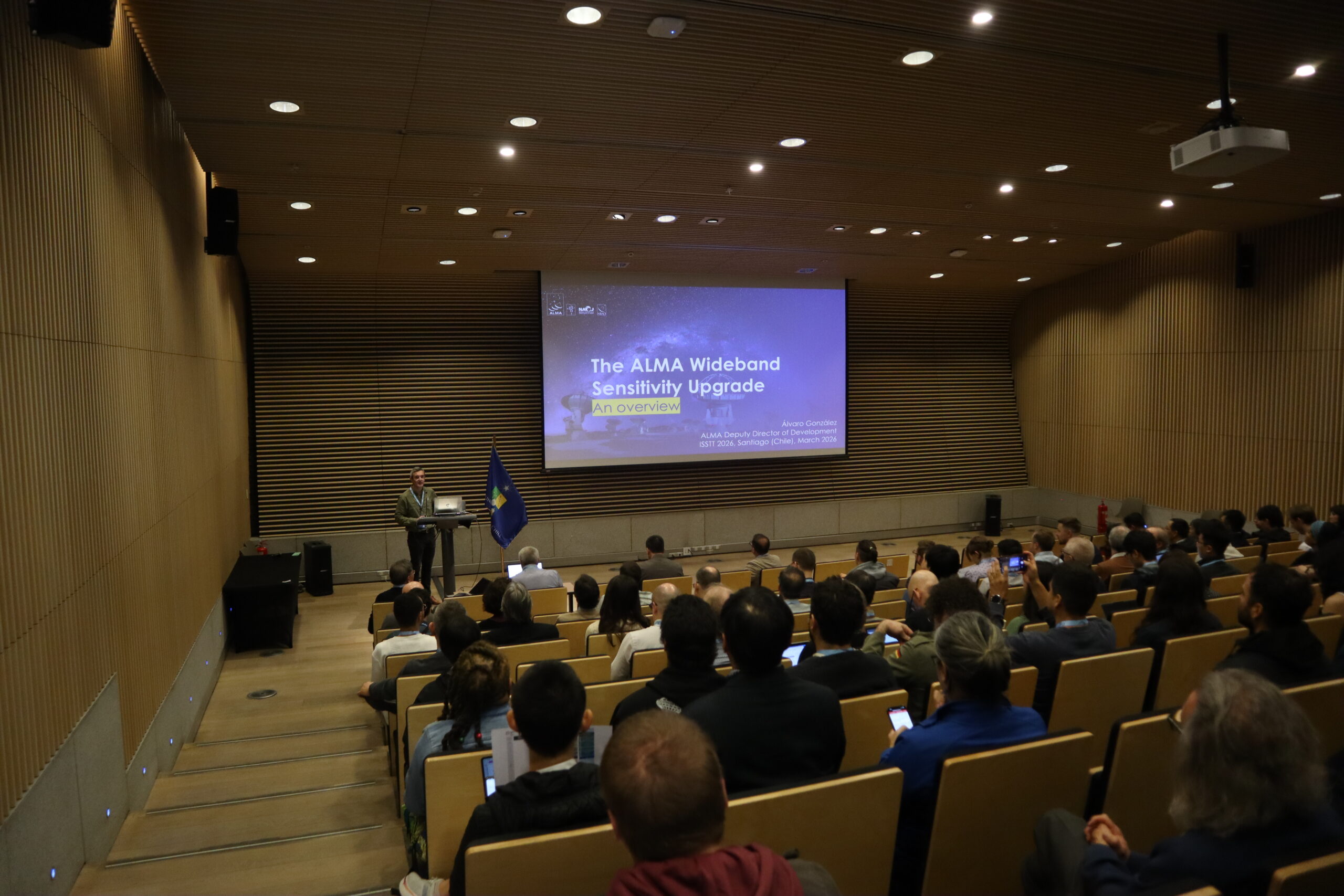
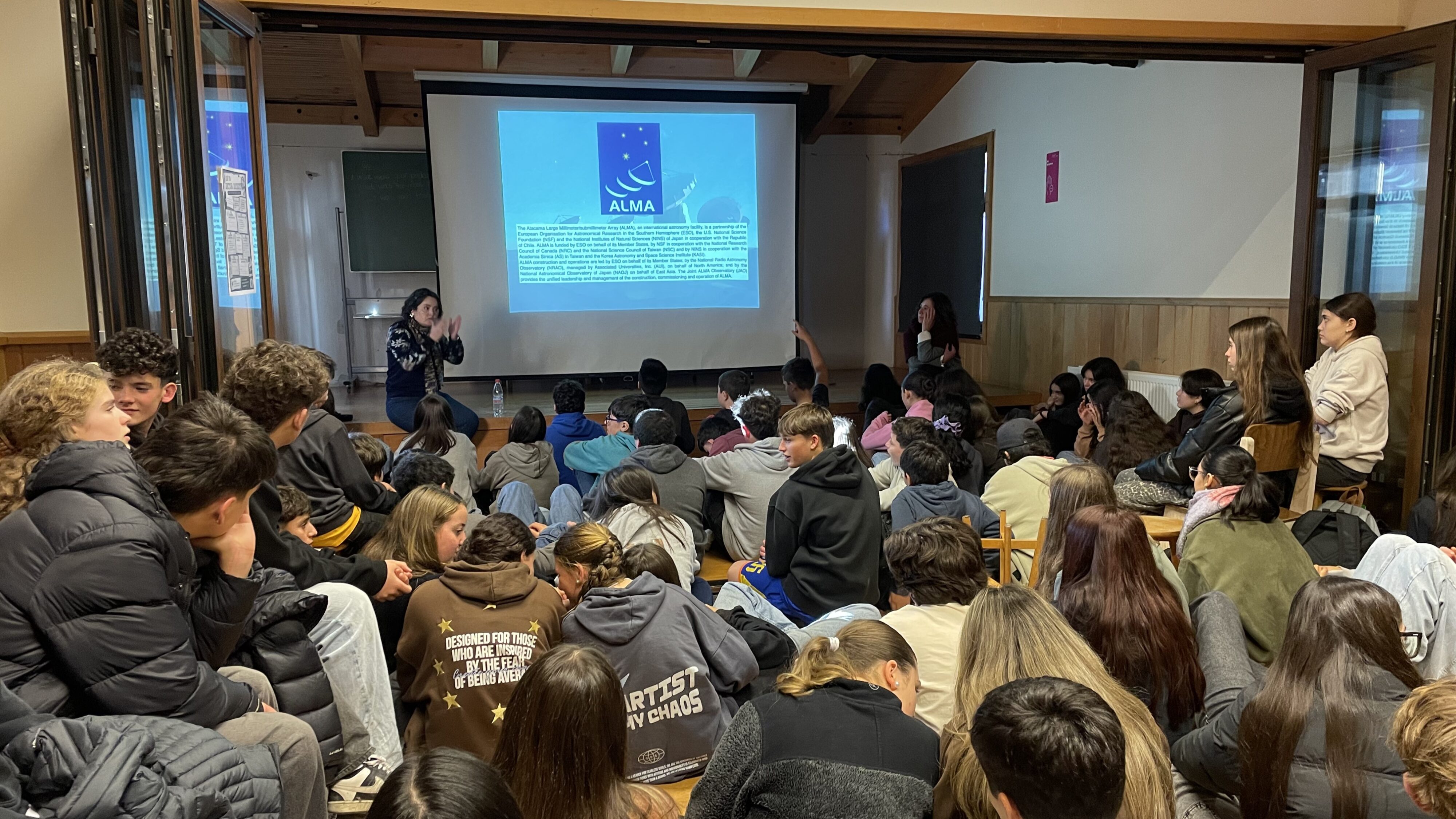
The event brought together scientists, engineers, and industry representatives from around the world to advance key technologies for the study of the universe. The symposium opened with a presentation by Álvaro González, ALMA’s deputy director of development, titled “The ALMA 2030 Wideband Sensitivity Upgrade (WSU): An Overview”, in which he outlined the challenges and projections of this initiative, which aims to significantly increase the observatory’s technical capabilities to enhance its scientific impact in the coming years.
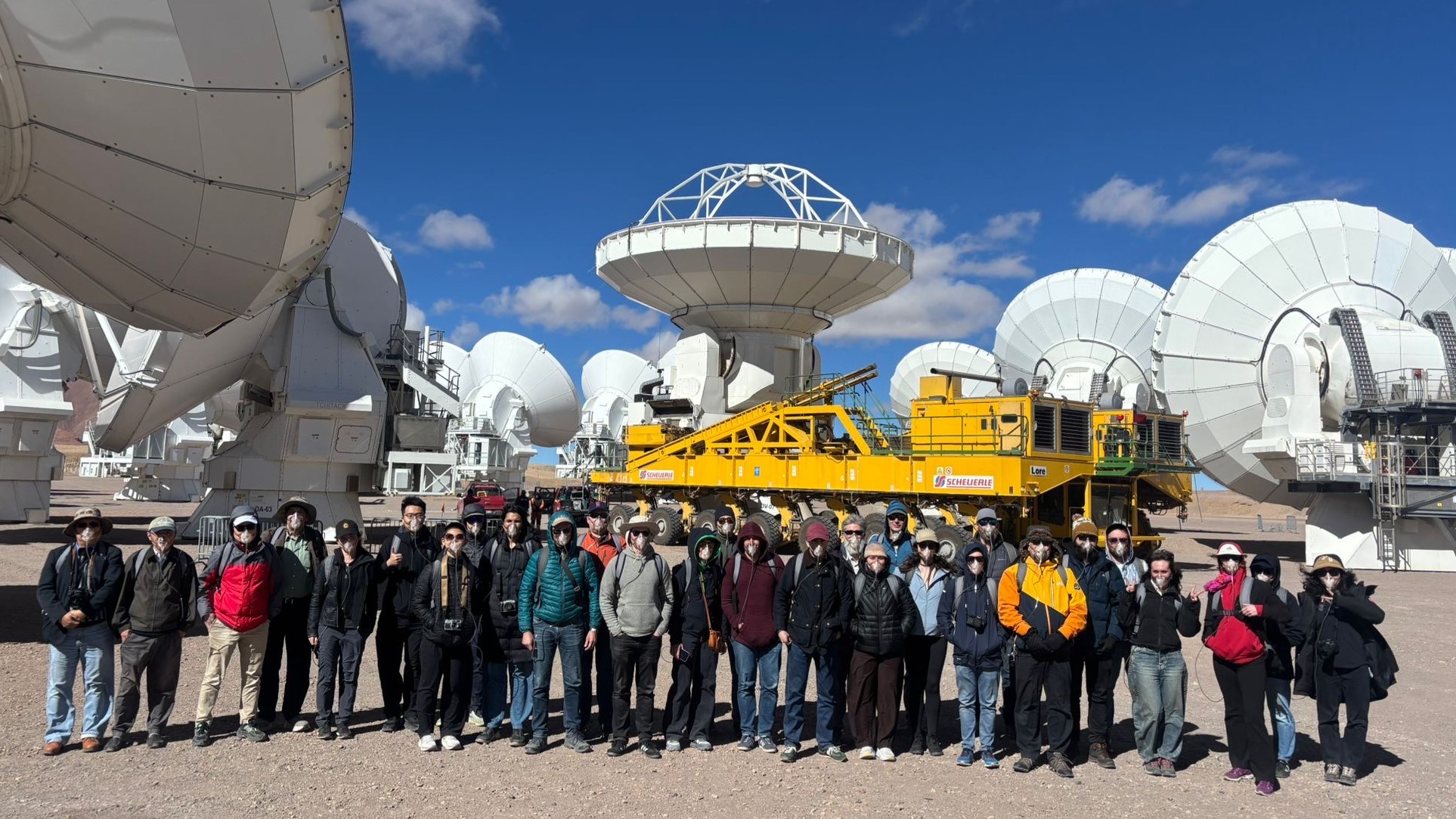
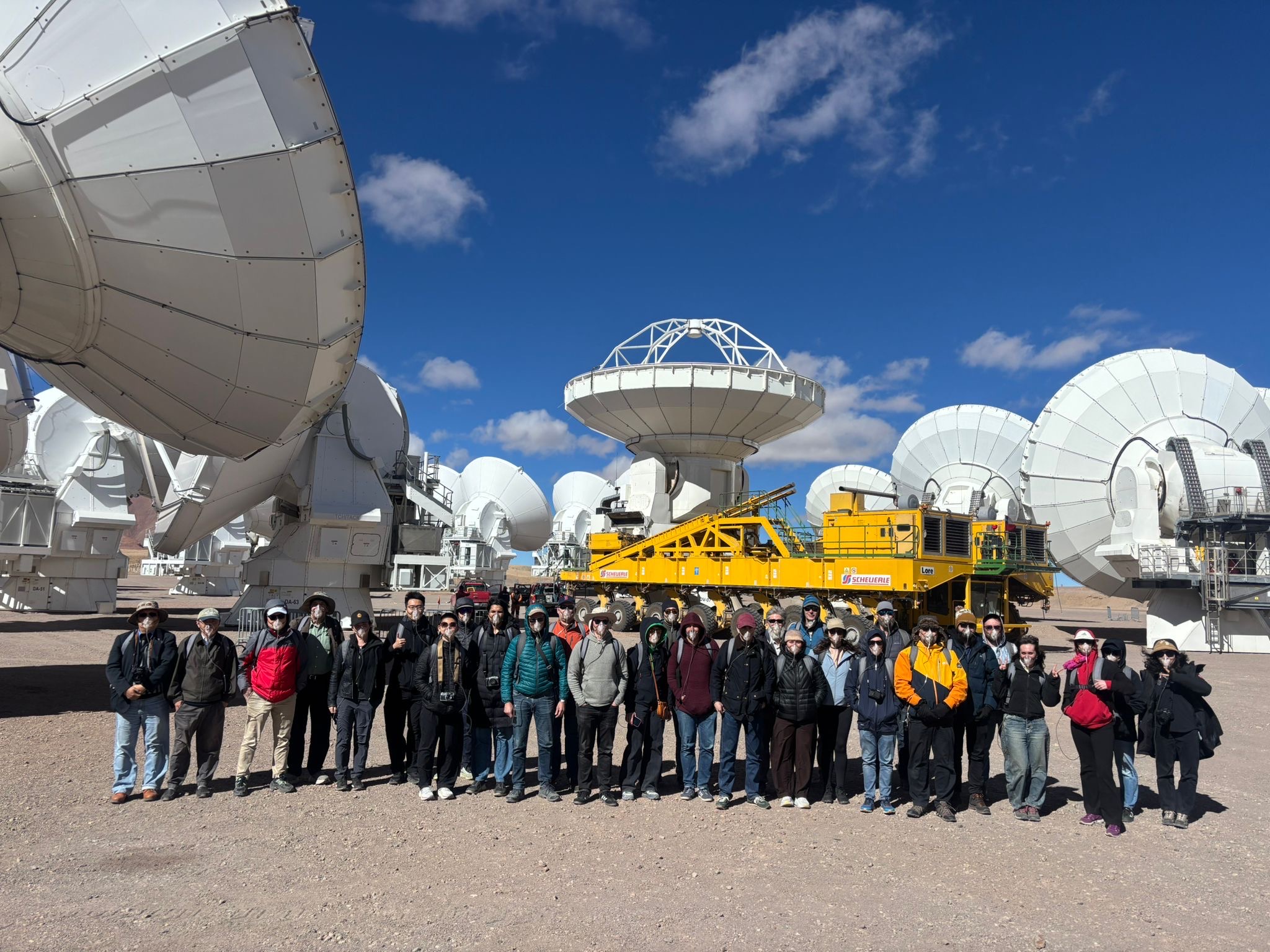
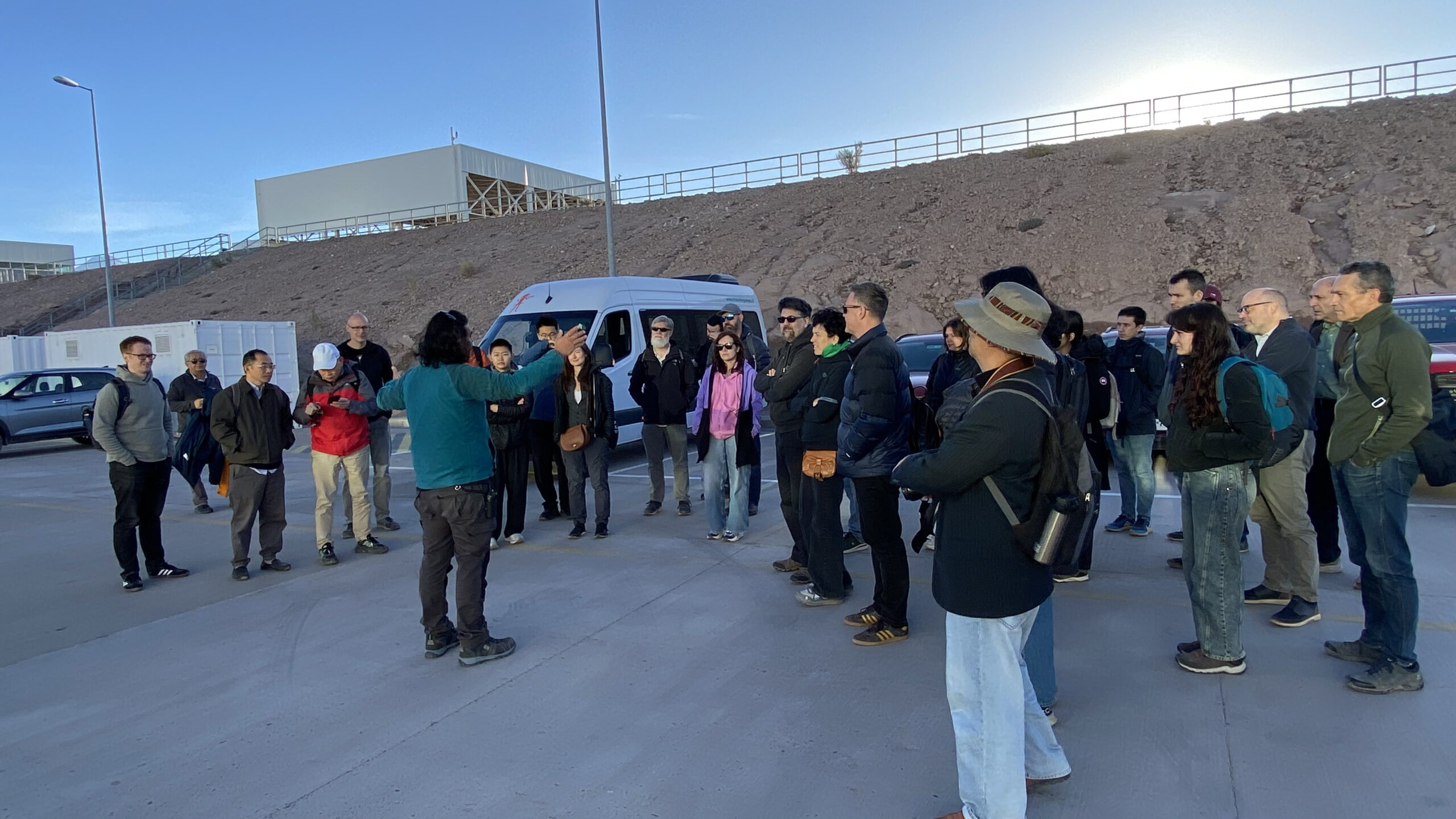
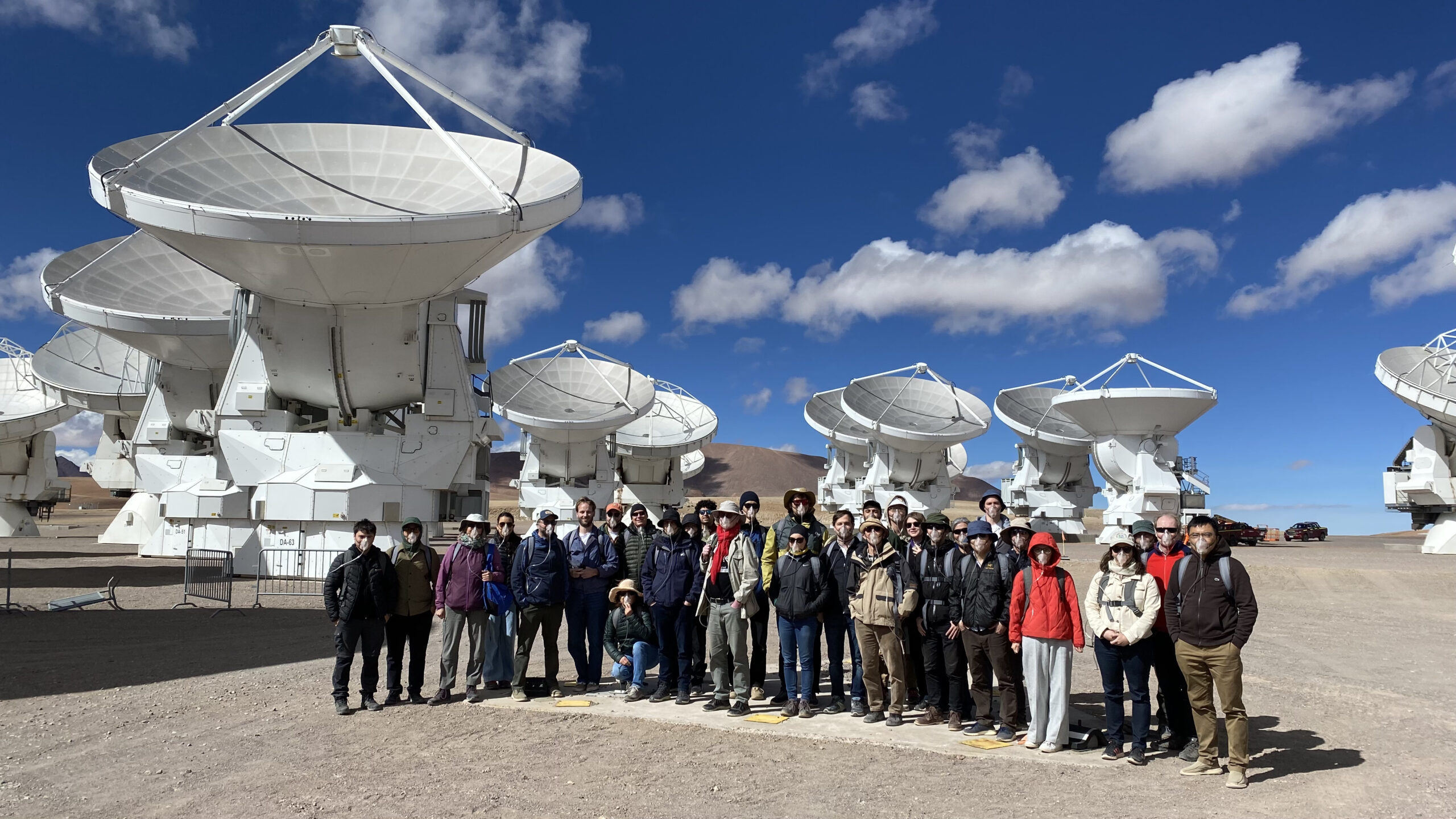
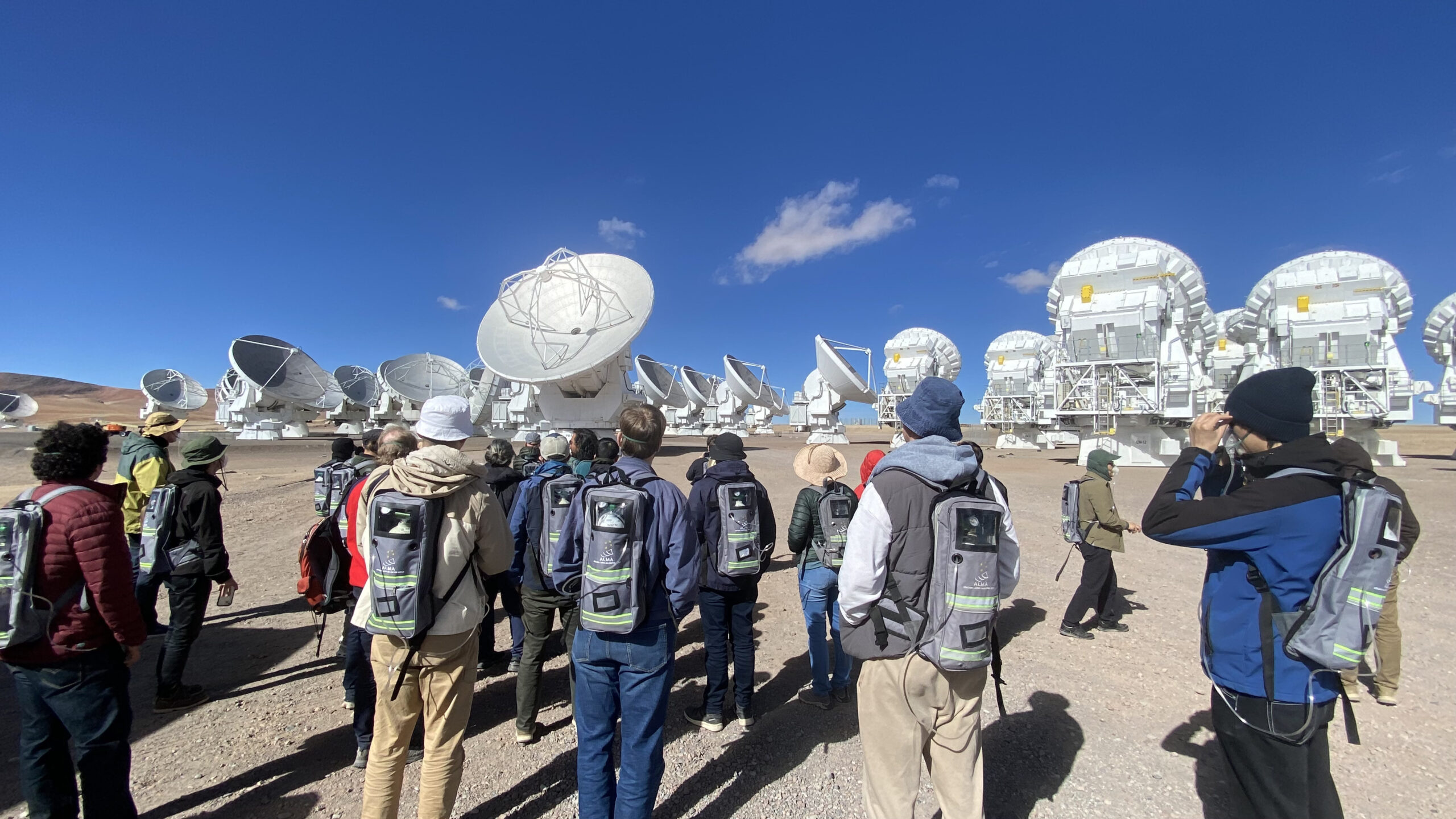
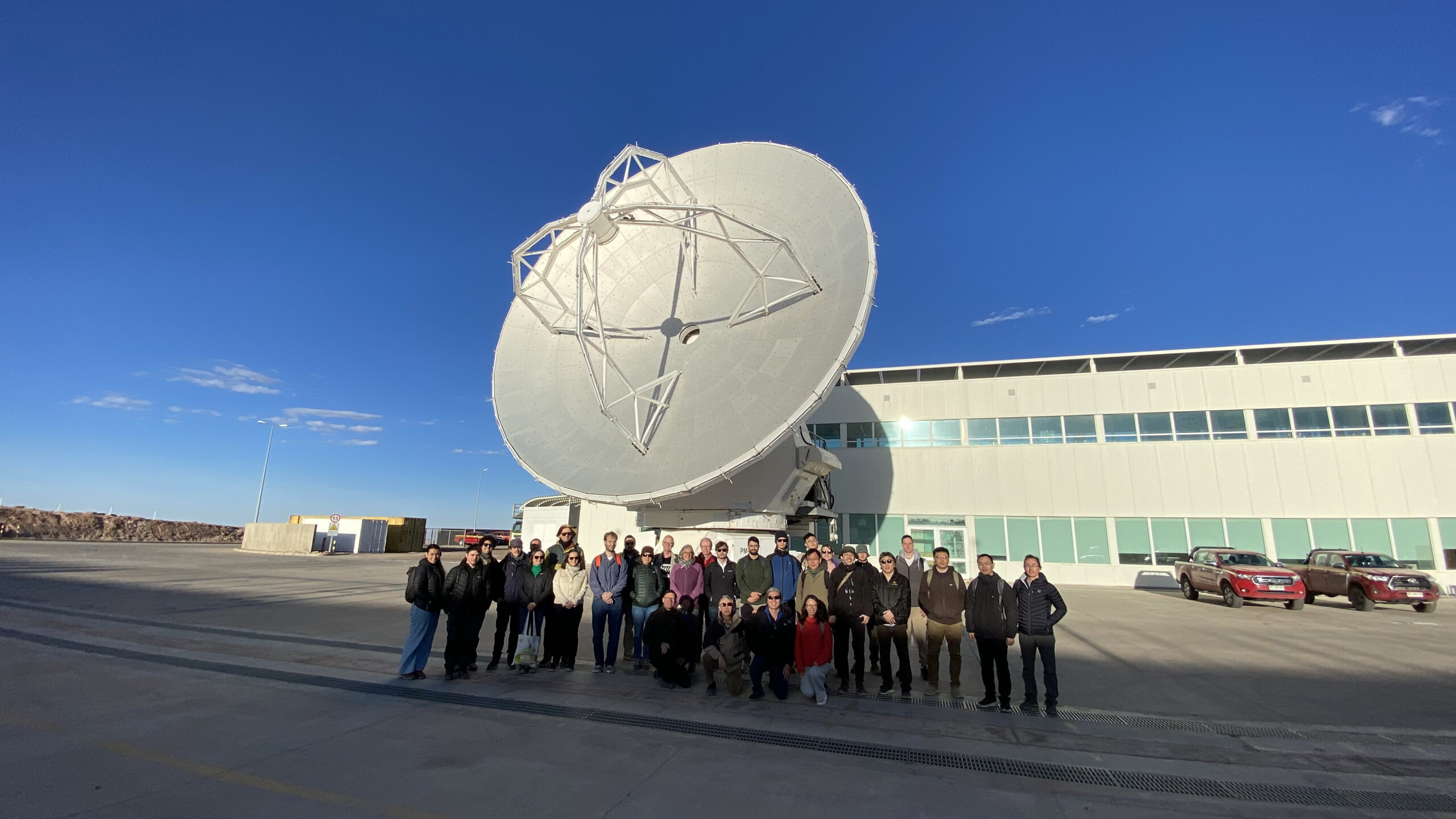
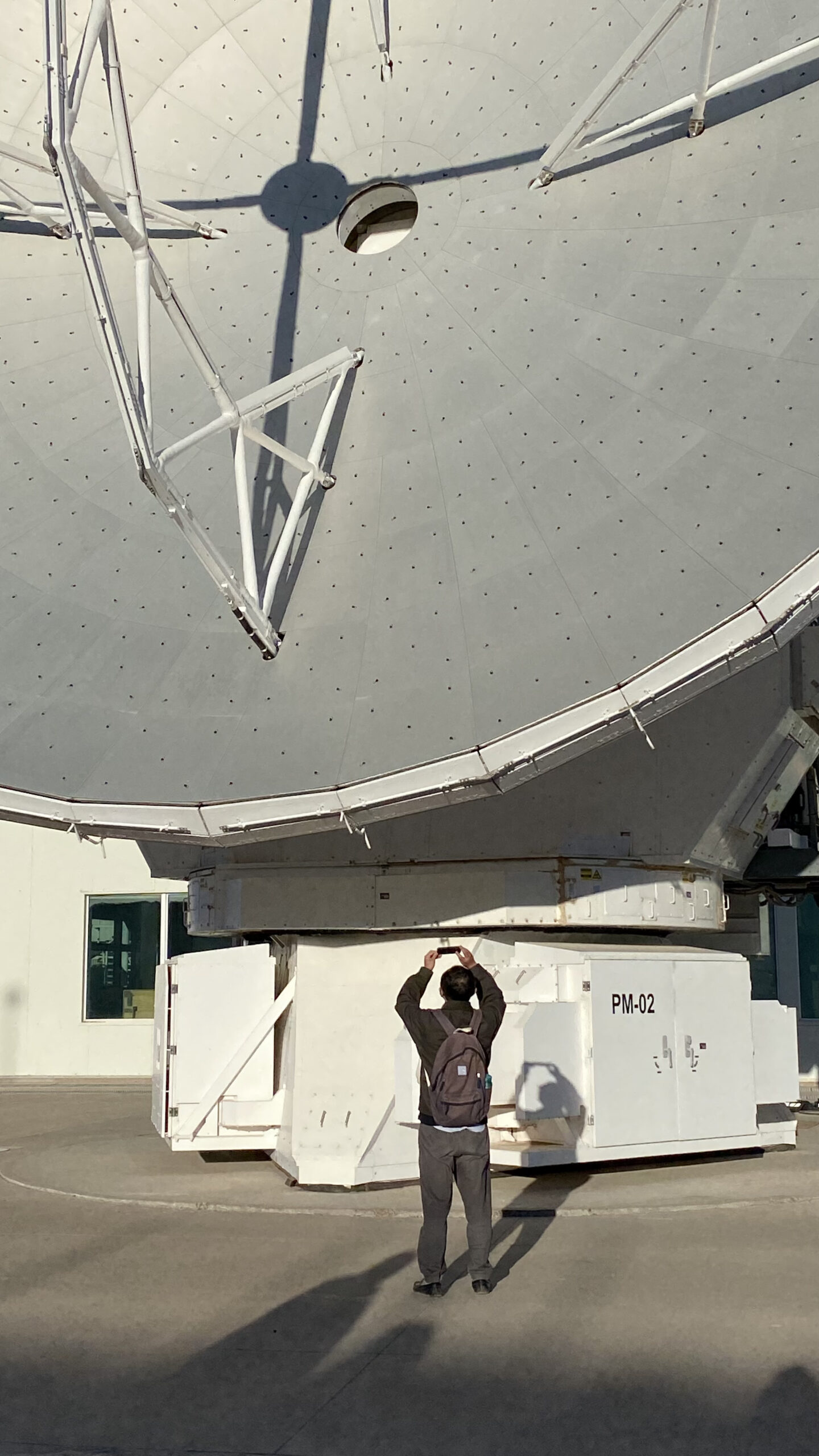
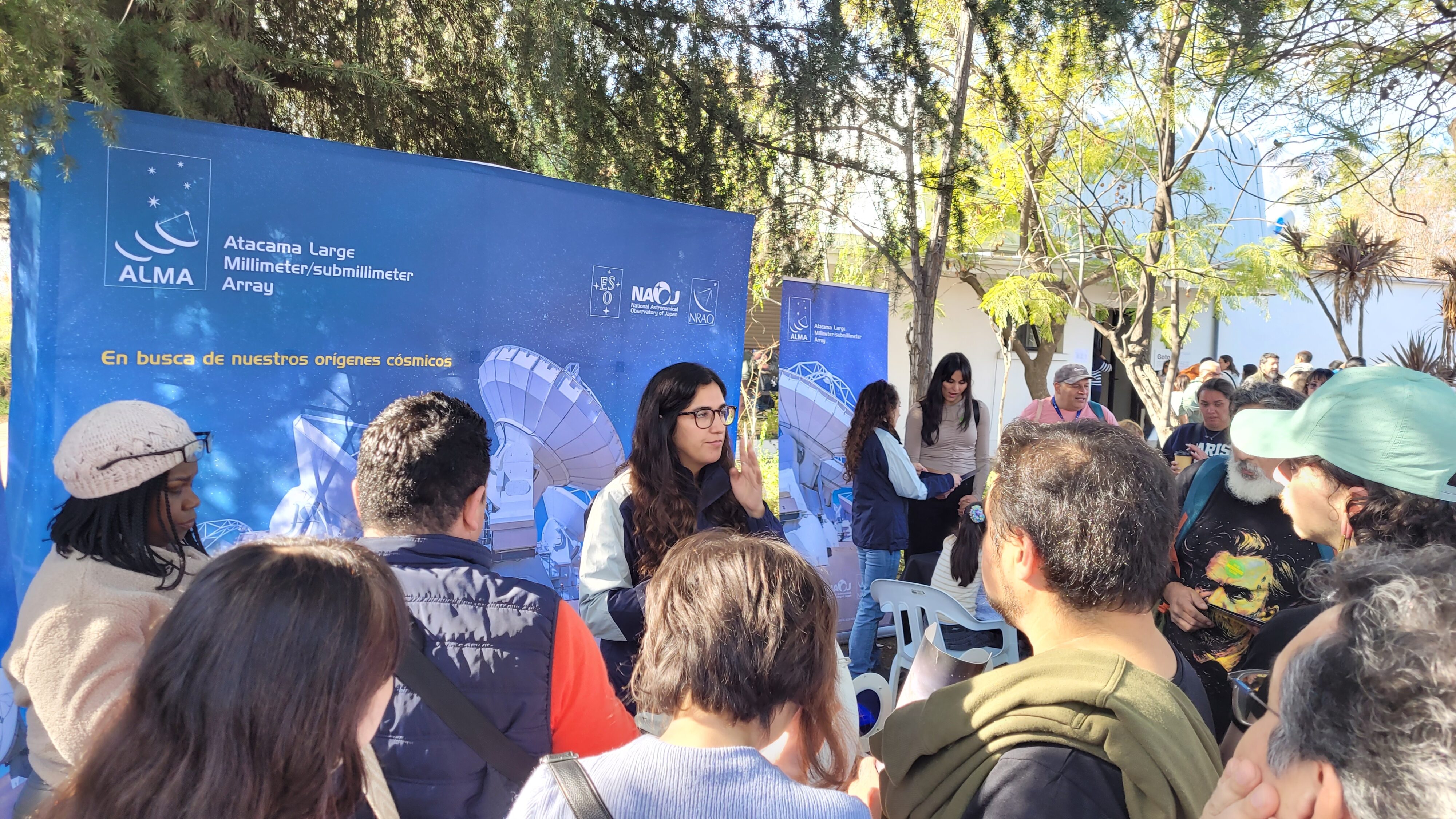
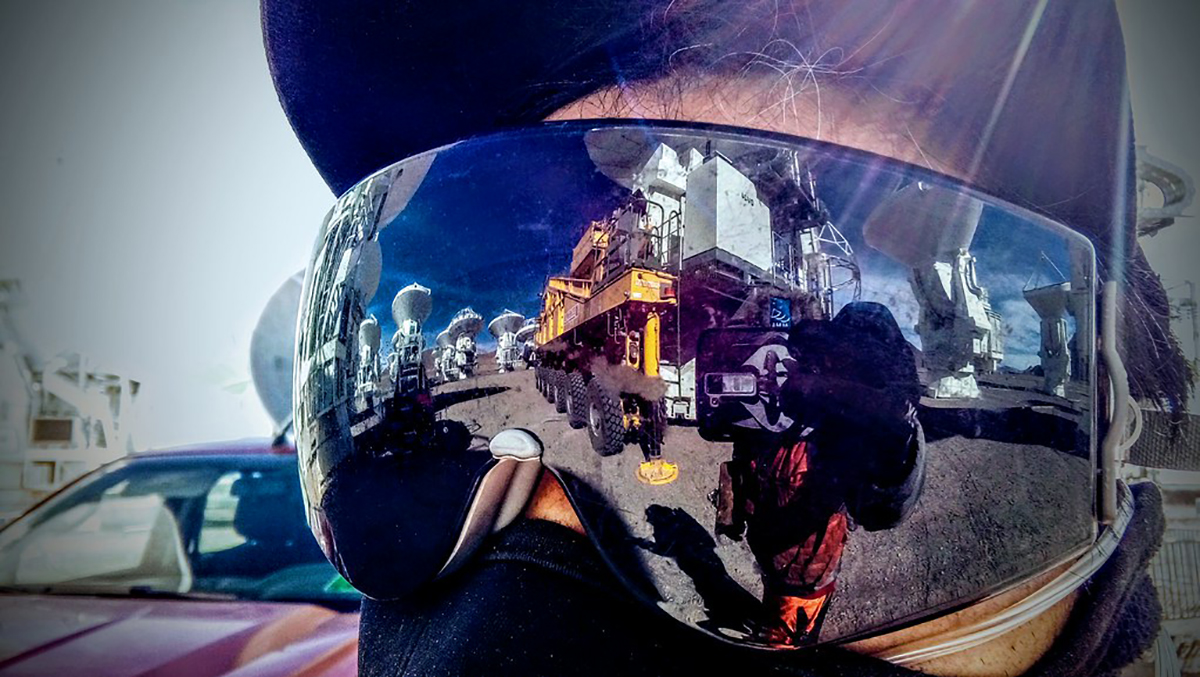
As part of the program, we also welcomed participants to our northern facilities, where they were able to see firsthand how these technologies transition from theory to daily operation.
When the Universe Drives Innovation
For those of us who work at ALMA, these kinds of gatherings confirm something we experience every day: the challenges of astronomy are also drivers of innovation. The very capabilities we need to observe the universe—detecting extremely faint signals, processing large volumes of data—are the ones that drive advances with concrete applications in telecommunications, medicine, and computing.
“Advances in terahertz technology are key to ALMA’s future, because we study the universe at those frequencies. Science and technology reinforce each other, and what we develop for radio astronomy also finds applications in fields such as communications and quantum computing,” says Álvaro.
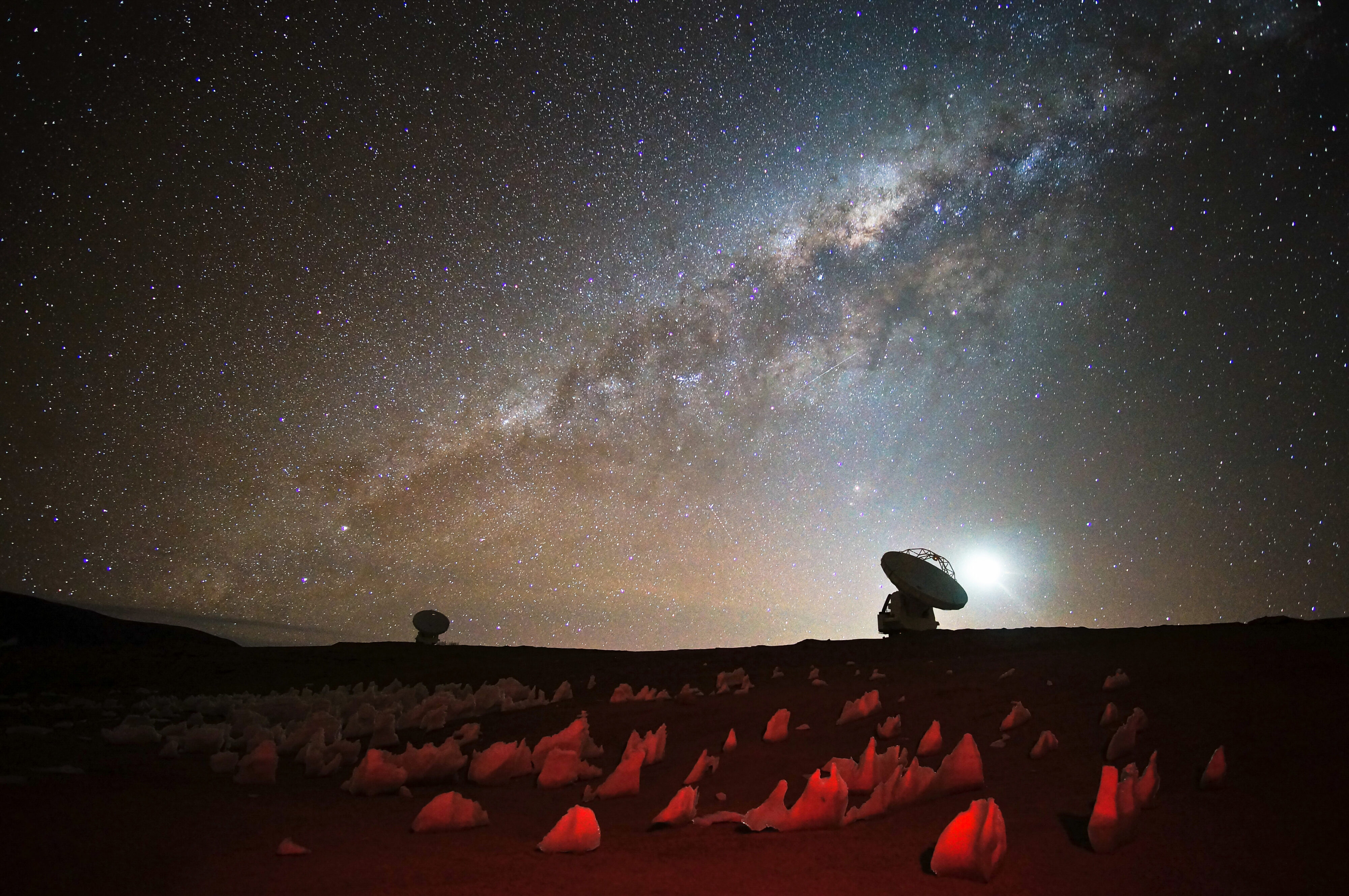
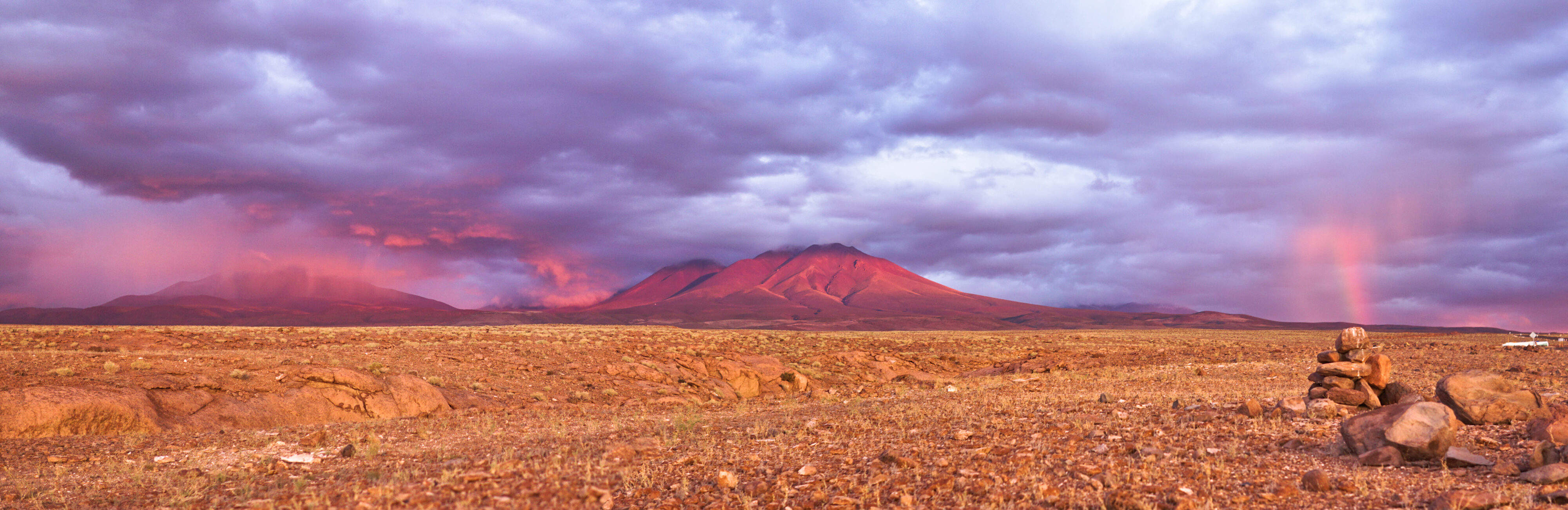
Every time we develop technology to see farther, we are also building tools for the future—one that, in part, is being shaped by the Atacama Desert.



0 Comments