


Every June 21, Chile commemorates National Indigenous Peoples’ Day. The date coincides with the winter solstice in the Southern Hemisphere and marks the beginning of a new cycle for the country’s various indigenous peoples.
In the Licanantay worldview, the winter solstice is deeply connected to the land, nature, and the observation of the sky. The rebirth of the sun symbolizes renewal, balance, and the continuity of life in a tradition where the relationship with the earth, communities, and the cosmos has been a fundamental part of their cultural and spiritual identity.
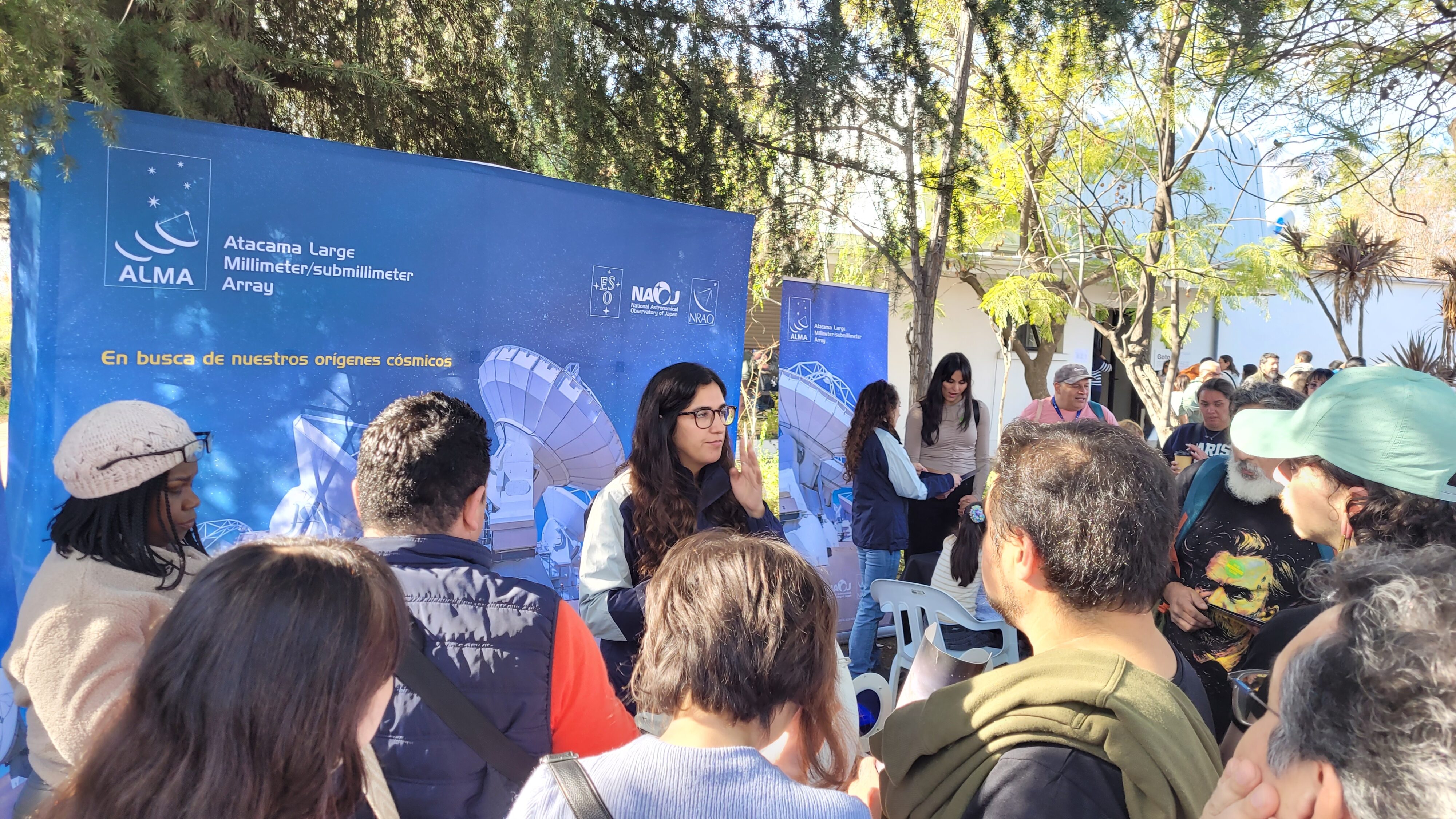
In this context, ALMA maintains an ongoing relationship with the communities neighboring the territory that is home to the observatory. This bond is based on communication, dialogue, and participation in various local initiatives aimed at the social, cultural, and educational development of neighboring communities.
“As a world-class scientific facility located within a local community, it is essential to be able to contribute and generate tangible benefits for the people living in the area,” says Catalina Margulis, ALMA’s Corporate Secretary.
ALMA II Region Fund: Community-Driven Initiatives
One of ALMA’s main contributions to the communities is the ALMA II Region Fund, an initiative through which ALMA’s partners (AUI, ESO, and NAOJ) make an annual contribution to the Antofagasta Regional Government to support economic, social, scientific-technical, and cultural development projects, particularly in San Pedro de Atacama and Toconao.
Funds are allocated through competitive grants administered by the National Indigenous Development Corporation (CONADI), in which local organizations themselves submit proposals designed to address their specific needs.
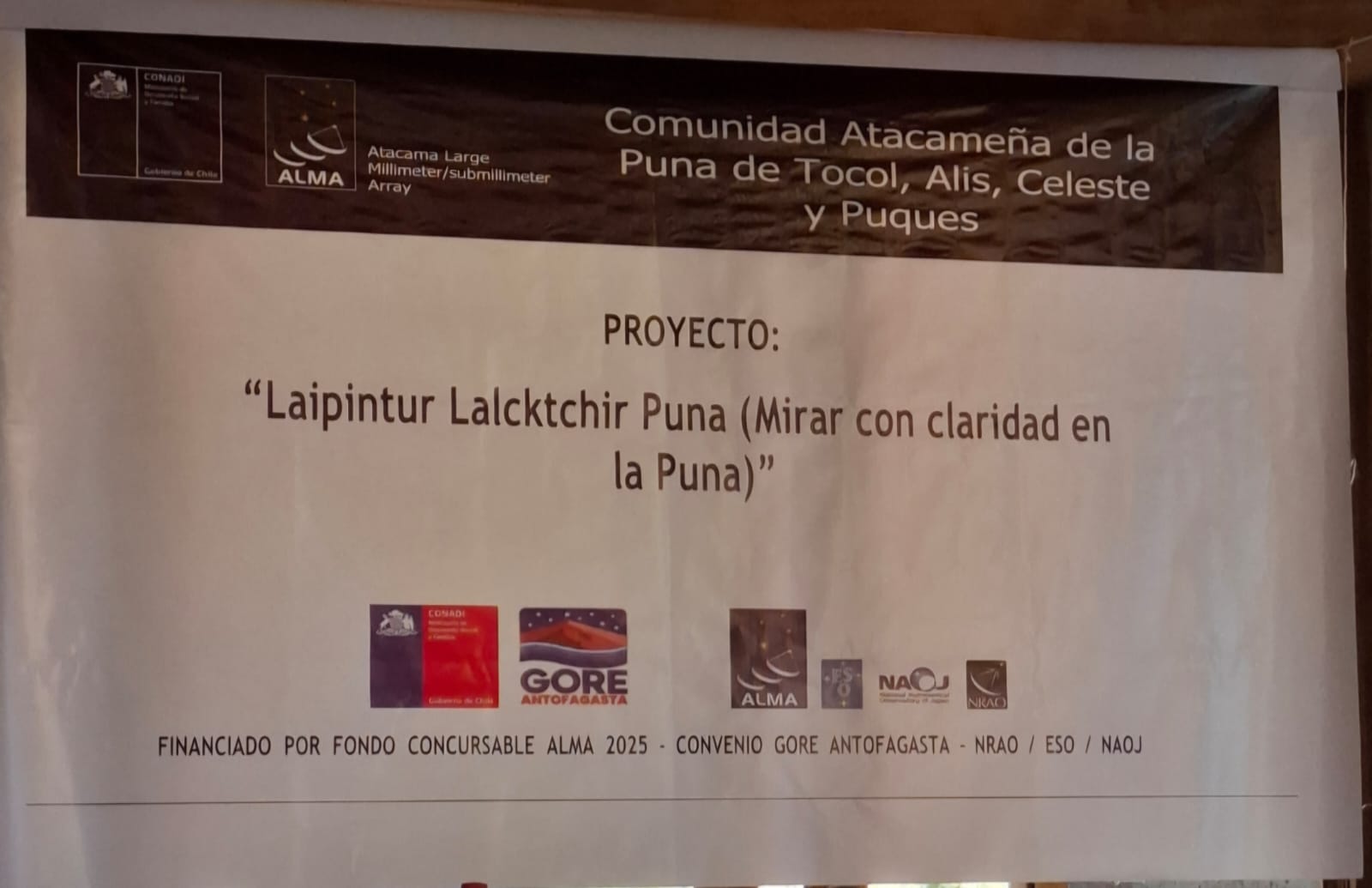
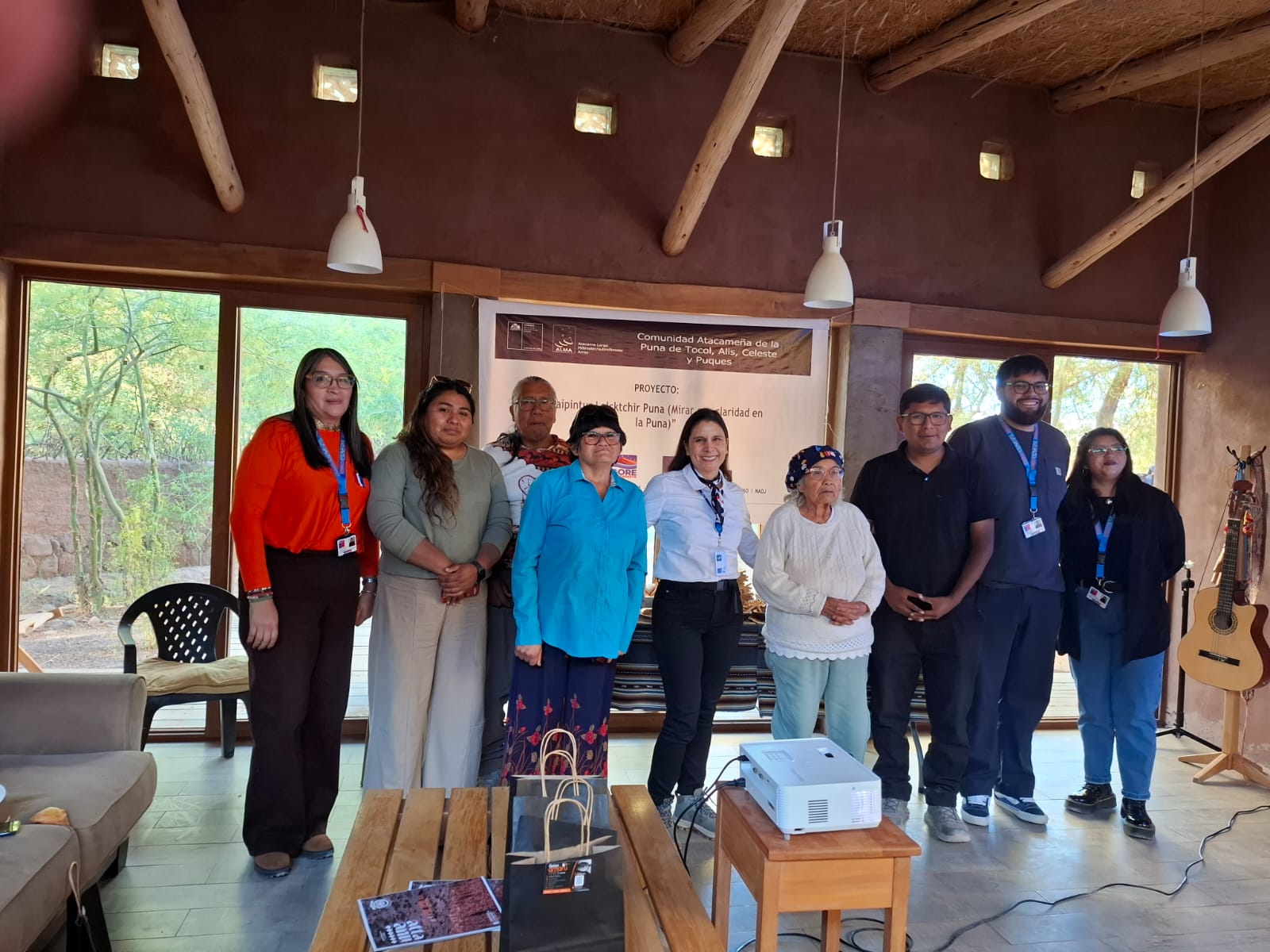
In 2026, the “Laipintur Lalcktchir Puna” (“Seeing Clearly in the Puna”) project, developed by the Atacameño Community of the Puna of Tocol, Alis, Celeste, Honar, and Puques, was completed. This initiative, funded through the ALMA II Region 2025 Fund, made it possible to conduct an eye care campaign for 44 community members, primarily older adults who face vision difficulties and live in areas with high sun exposure. The project included eye care clinics, an educational talk, and the distribution of prescription eyeglasses, directly contributing to improving the beneficiaries’ quality of life.
“The main impact lies in the fact that it allows local organizations themselves to identify needs and propose projects that contribute to the well-being of their residents, but it goes beyond the economic aspect, as it reflects ALMA’s ongoing commitment to neighboring communities, strengthening and fostering long-term relationships based on trust,” says Catalina.
Presence and Participation in the Region
As part of its Community Relations efforts, ALMA also actively participates in cultural and community activities organized by local organizations.
Among these, participation in the “Encuentro de Copleros” stands out; this event took place in the Plaza de San Pedro de Atacama and was organized by the San Pedro de Atacama Cultural Foundation with funding from the ALMA II Region 2025 Fund. The event brought together representatives and practitioners from the Atacameño Licanantay and Andean communities to share and preserve the oral tradition of coplas, thereby strengthening the region’s cultural heritage.
Education, Science, and Innovation
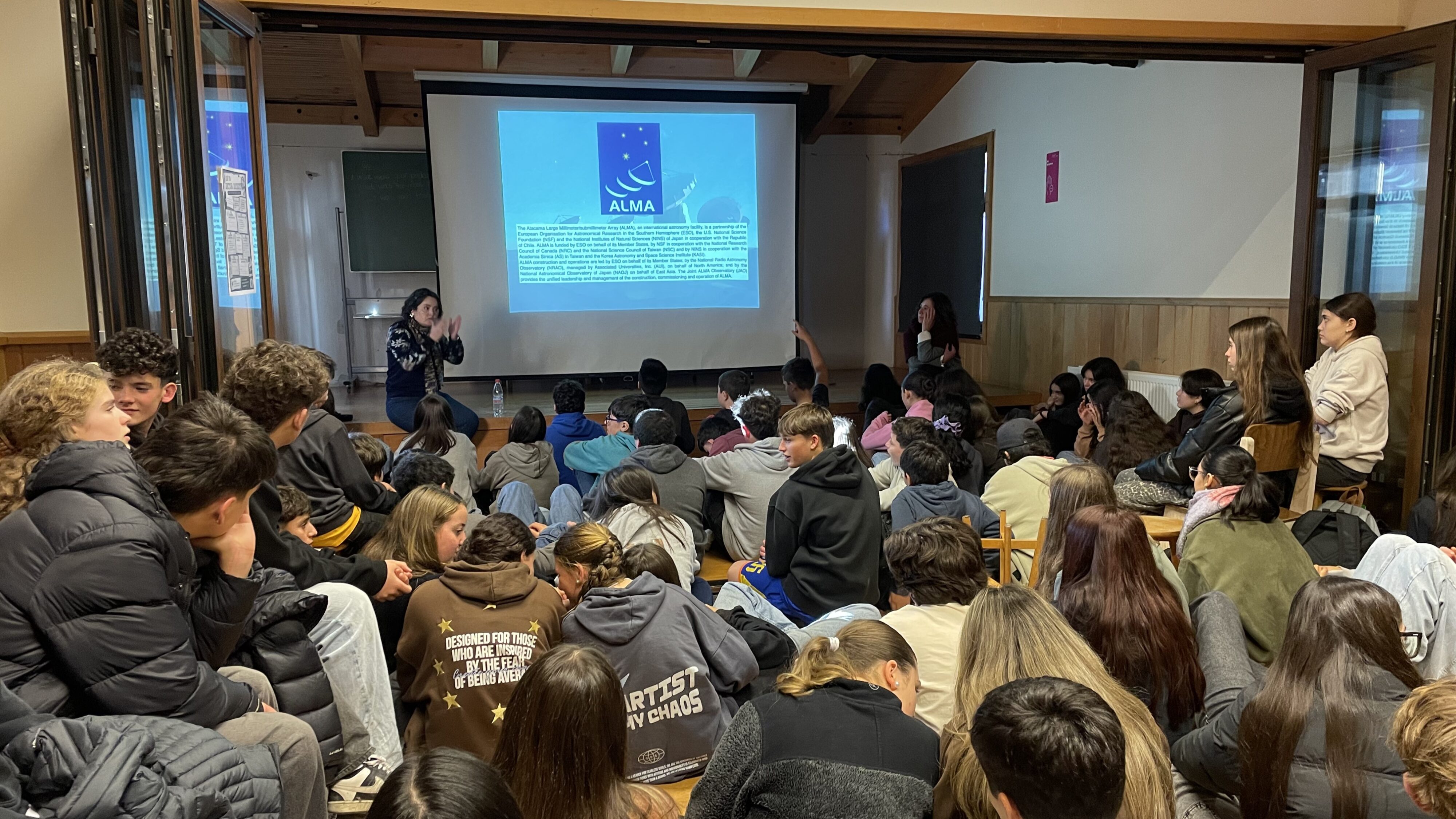
In addition to community outreach, ALMA promotes educational initiatives in local schools, such as the “Inquiry-Based Science Education” (ECBI), developed in partnership with the Allende Connelly Foundation, which aims to contribute to the continuous improvement of teachers’ professional performance in science education from preschool through the fourth year of high school, and the “Atacama Makers” Technological Innovation Workshop, designed to help students identify problems in their communities and develop technological solutions.
“It is essential to continue creating opportunities that contribute to the development of local capabilities, especially in education, science, technology, and youth training. Another important challenge is to continue promoting respect for the cultural identity, heritage, and ancestral knowledge of neighboring communities,” says Catalina.
Through these initiatives, ALMA seeks to continue strengthening a close and collaborative relationship with neighboring communities, fostering spaces for gathering, learning, and joint development in the area.
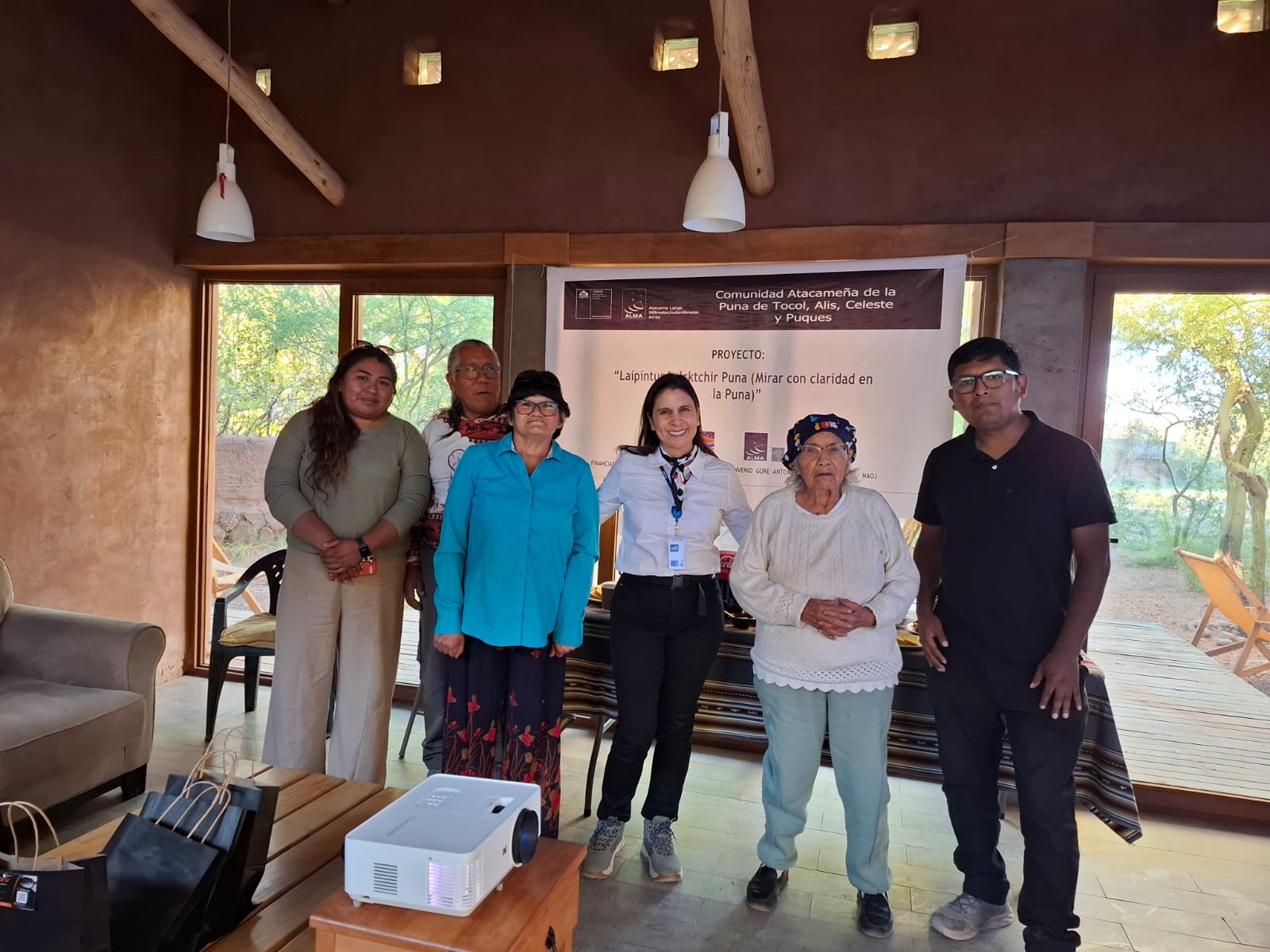
Laipintur Lalcktchir Puna
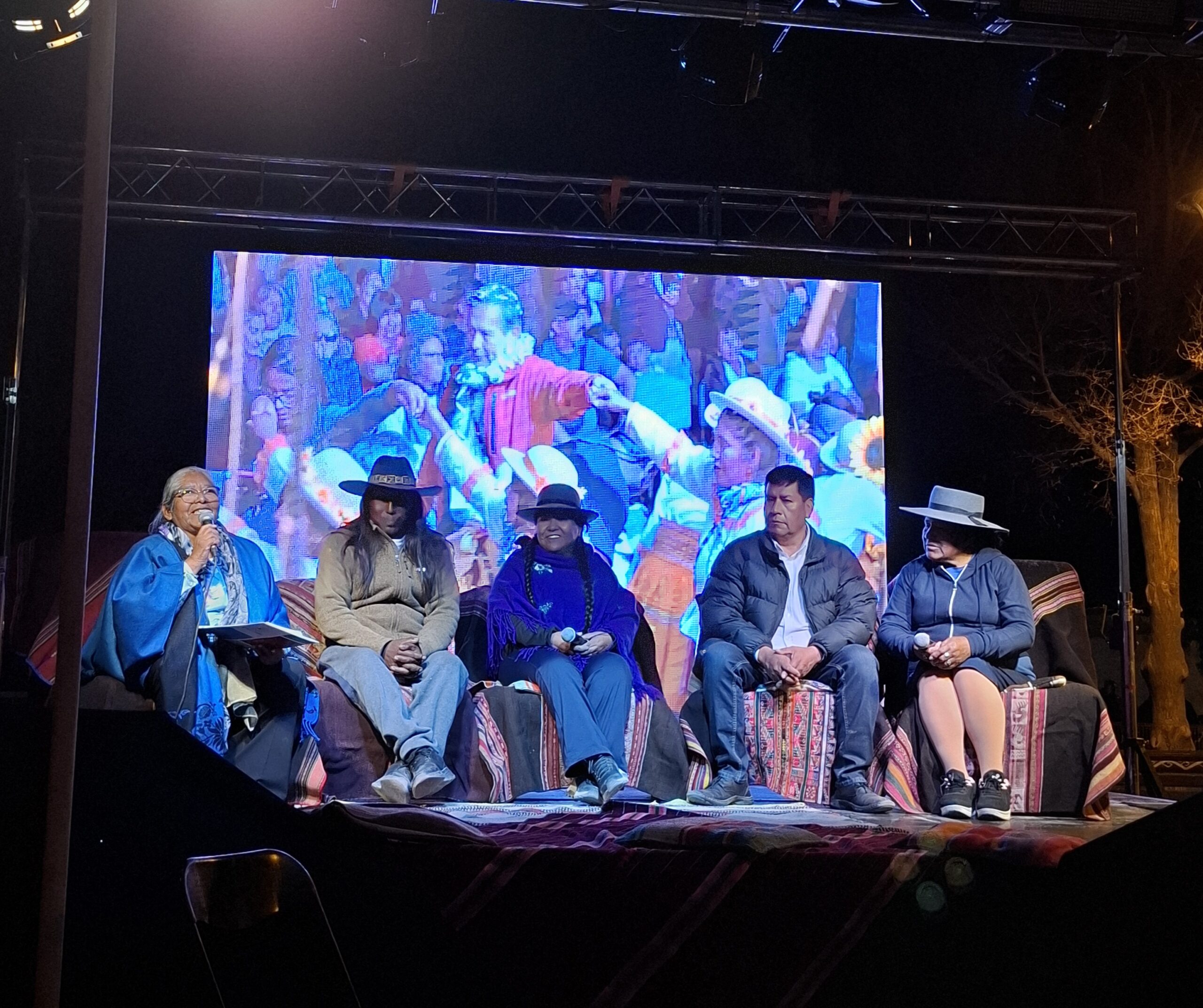
Encuentro de Copleros
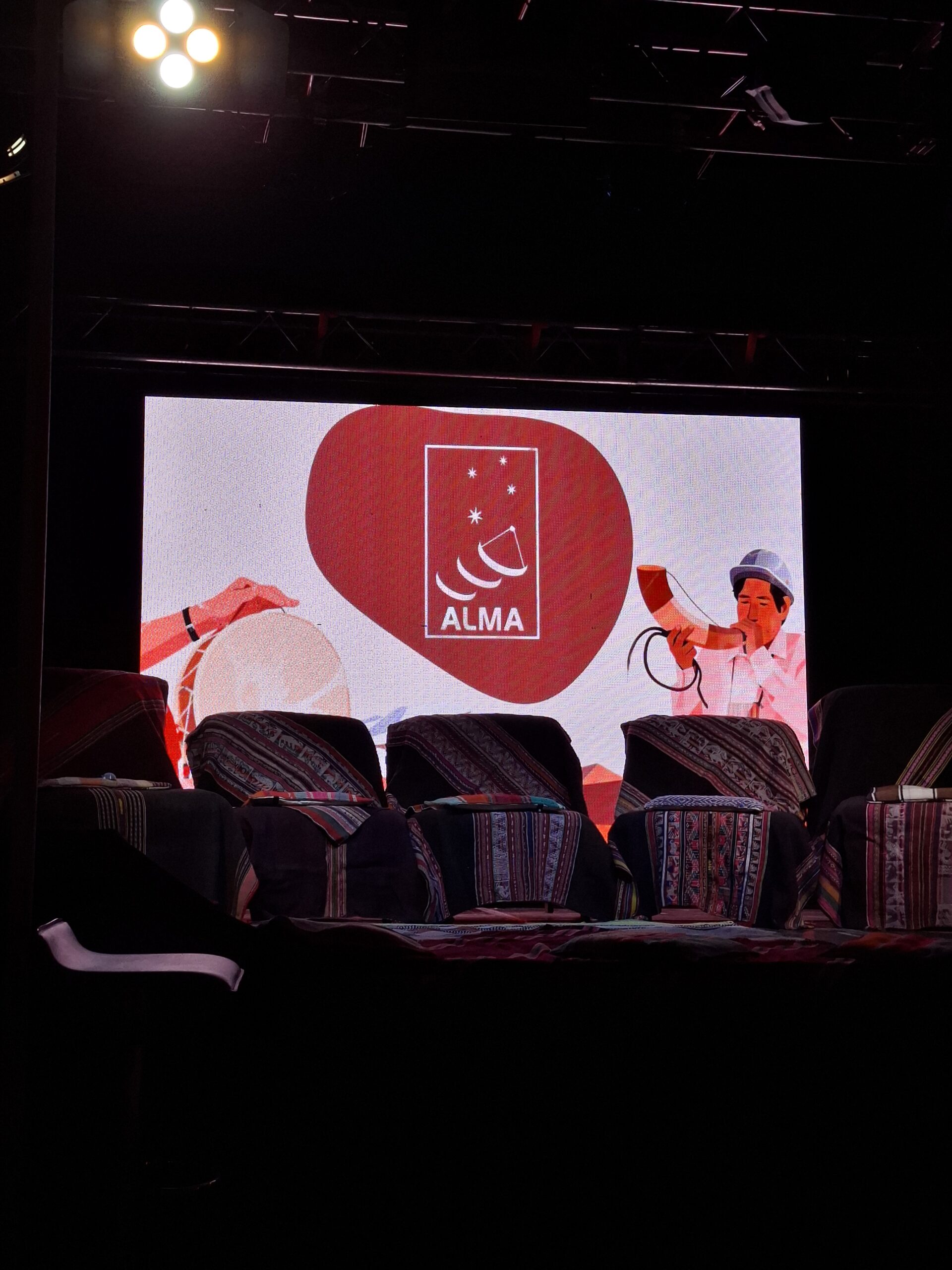
Encuentro de Copleros
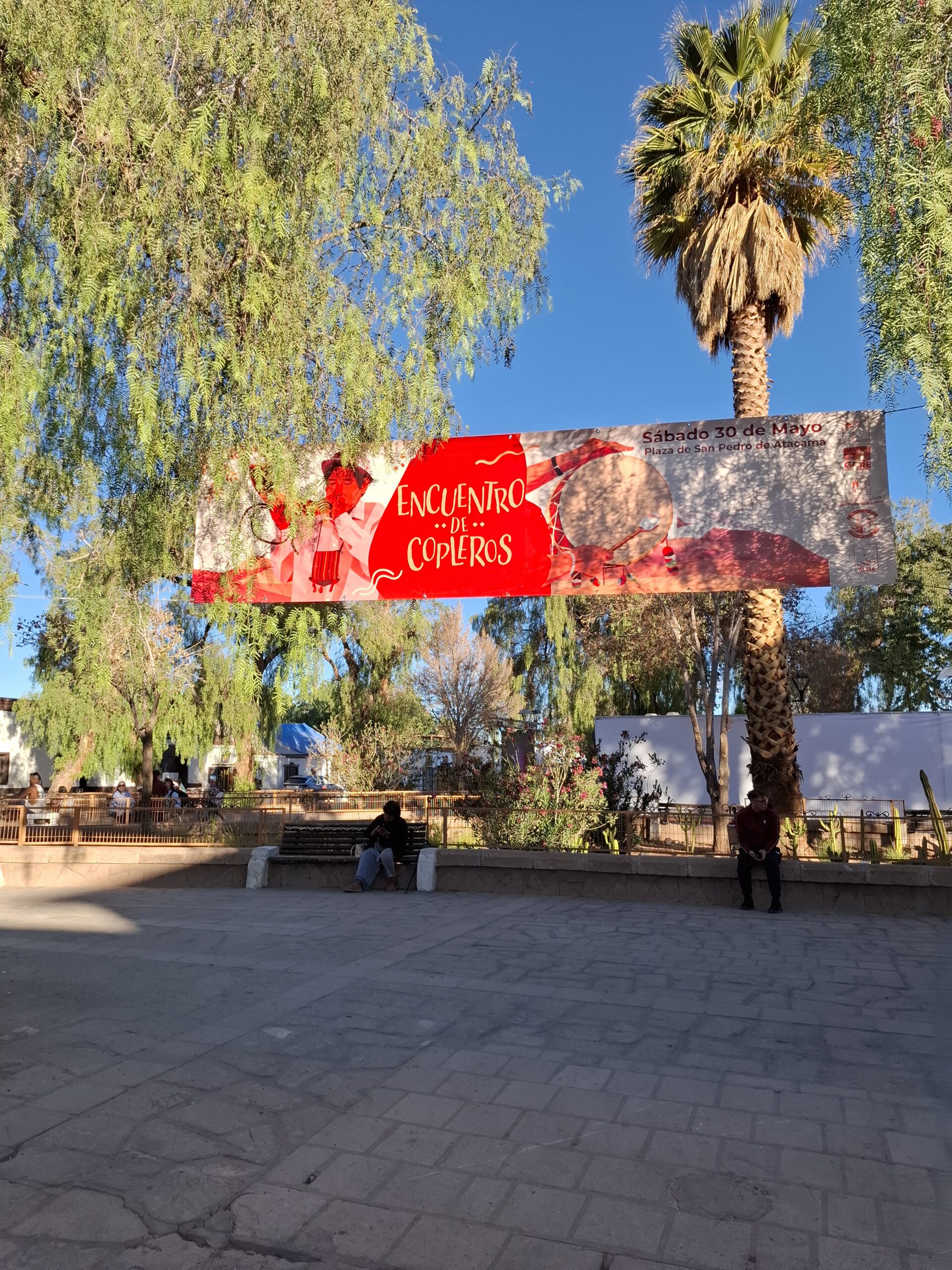
Encuentro de Copleros
Laipintur Lalcktchir Puna




0 Comments