

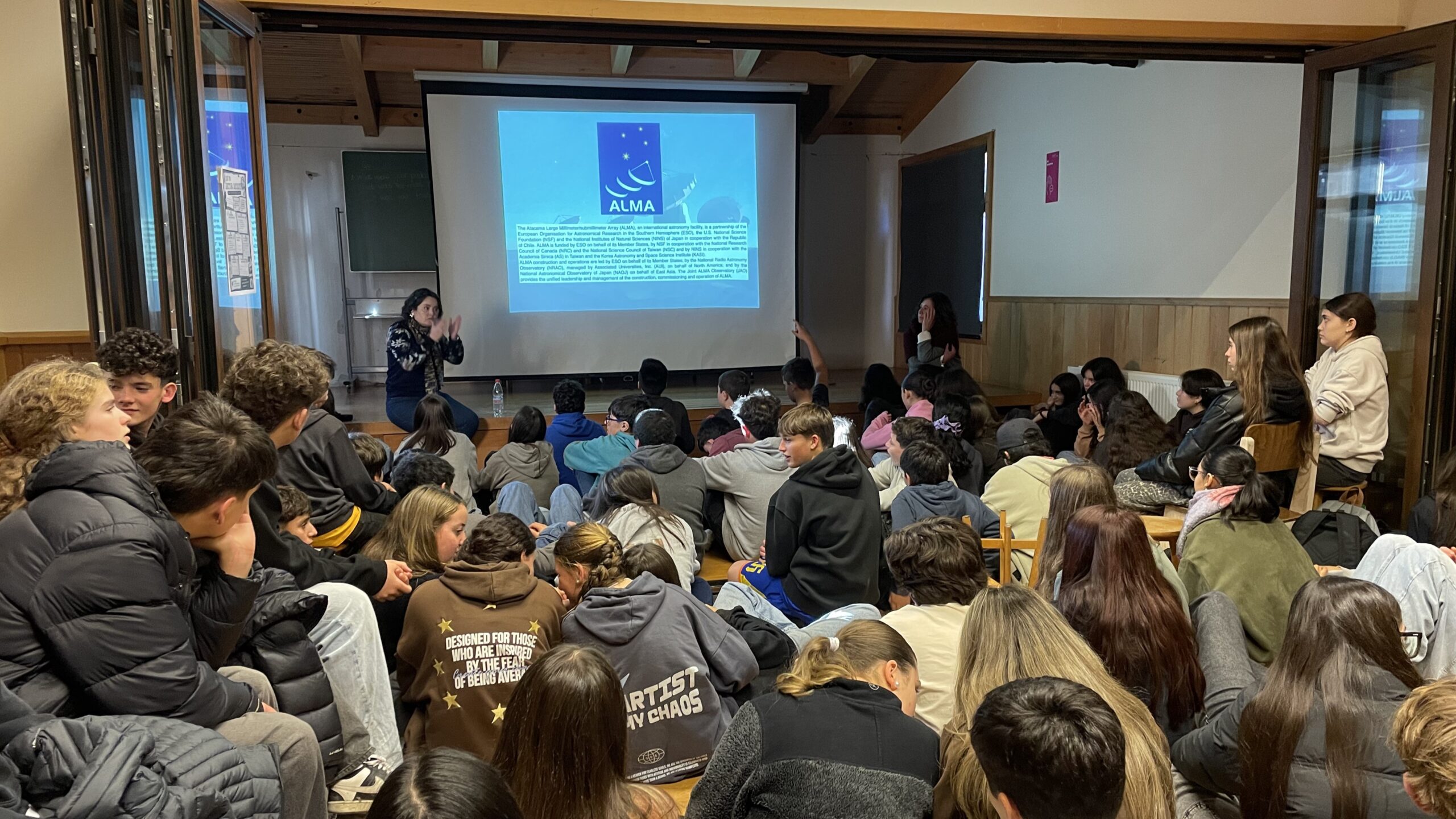
What does an astronomer do? How do the telescopes that explore the Universe work? Is it possible to turn a curiosity about the sky into a career?
These and many other questions were part of the conversations that ALMA researchers recently shared with students from different locations through science outreach activities and ALMA Talks.
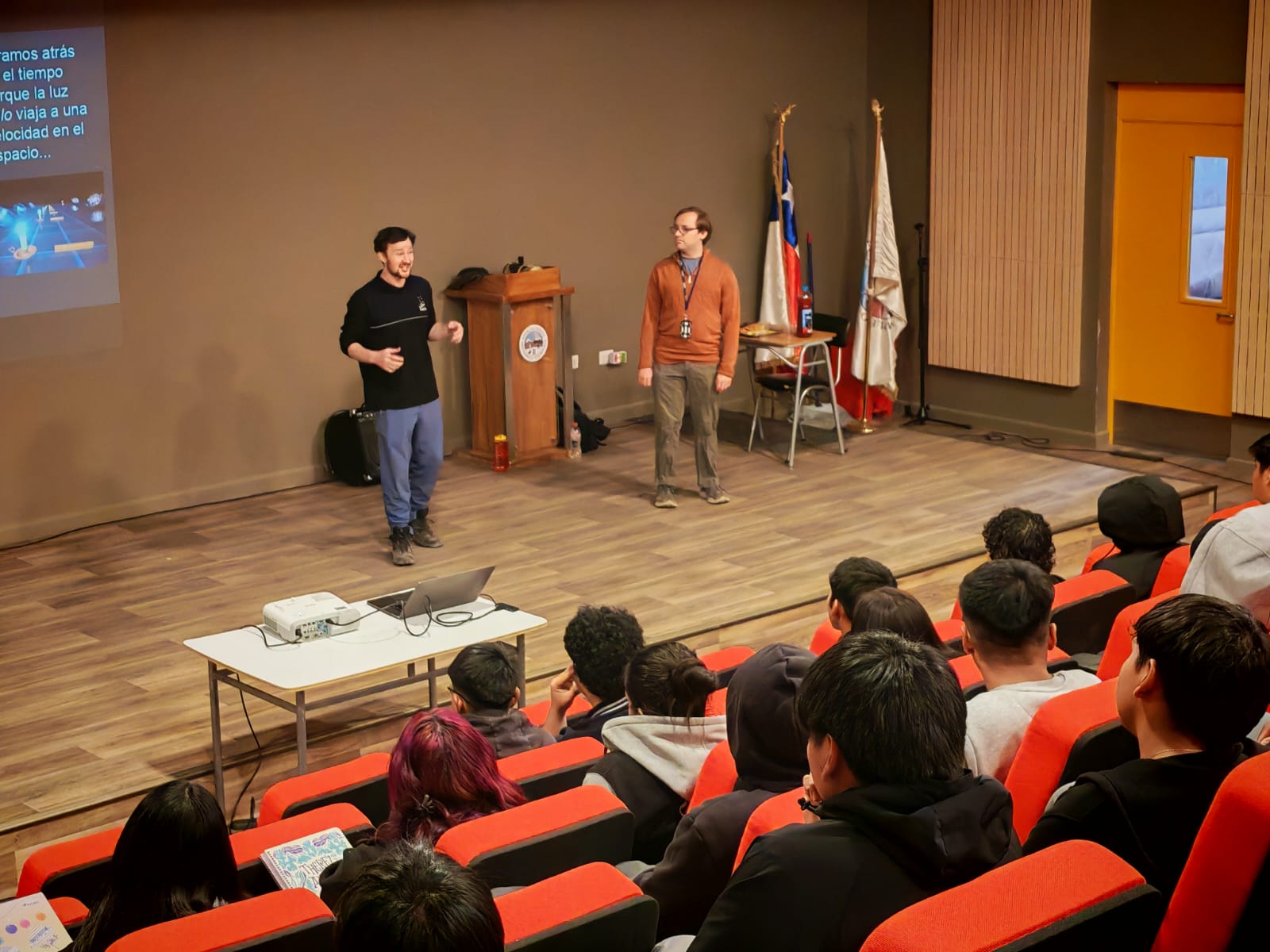
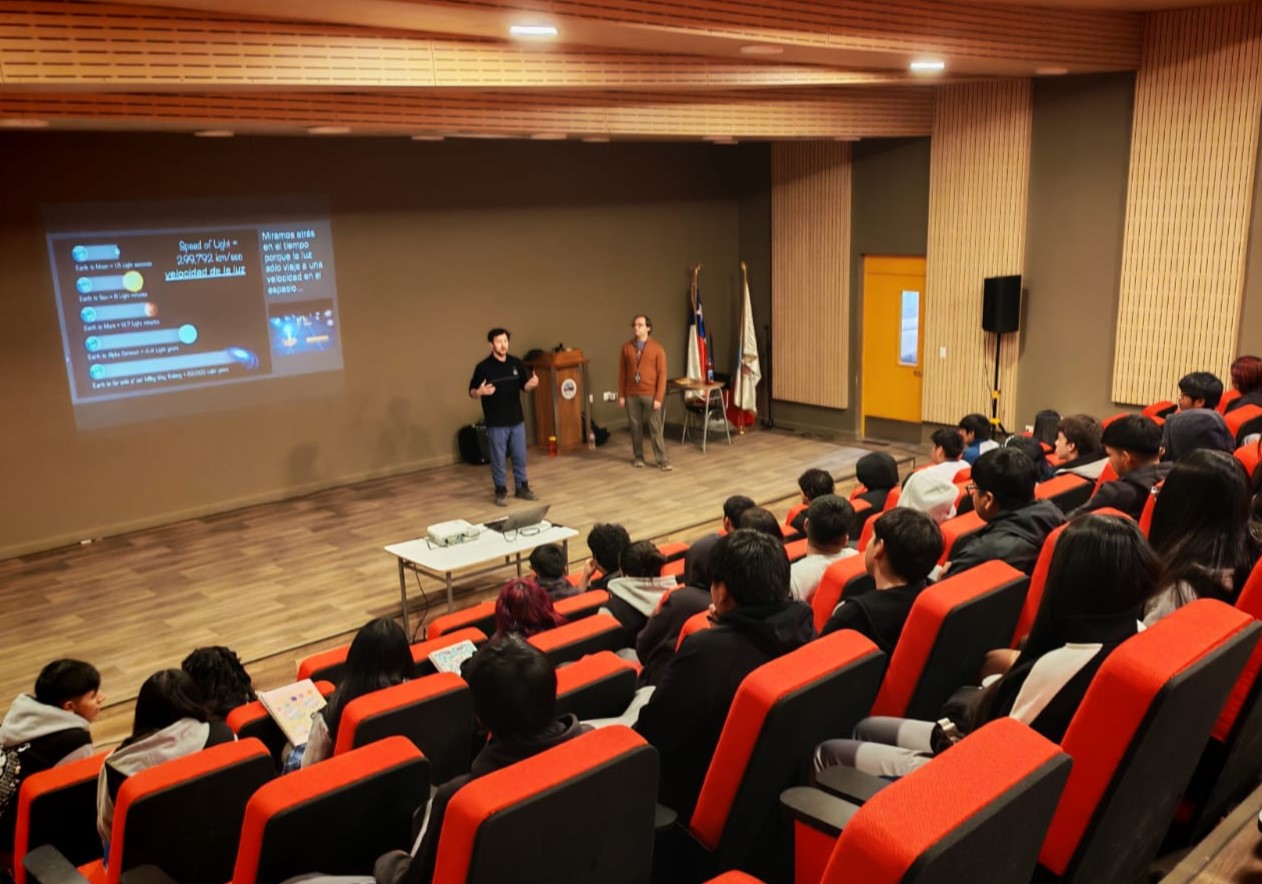
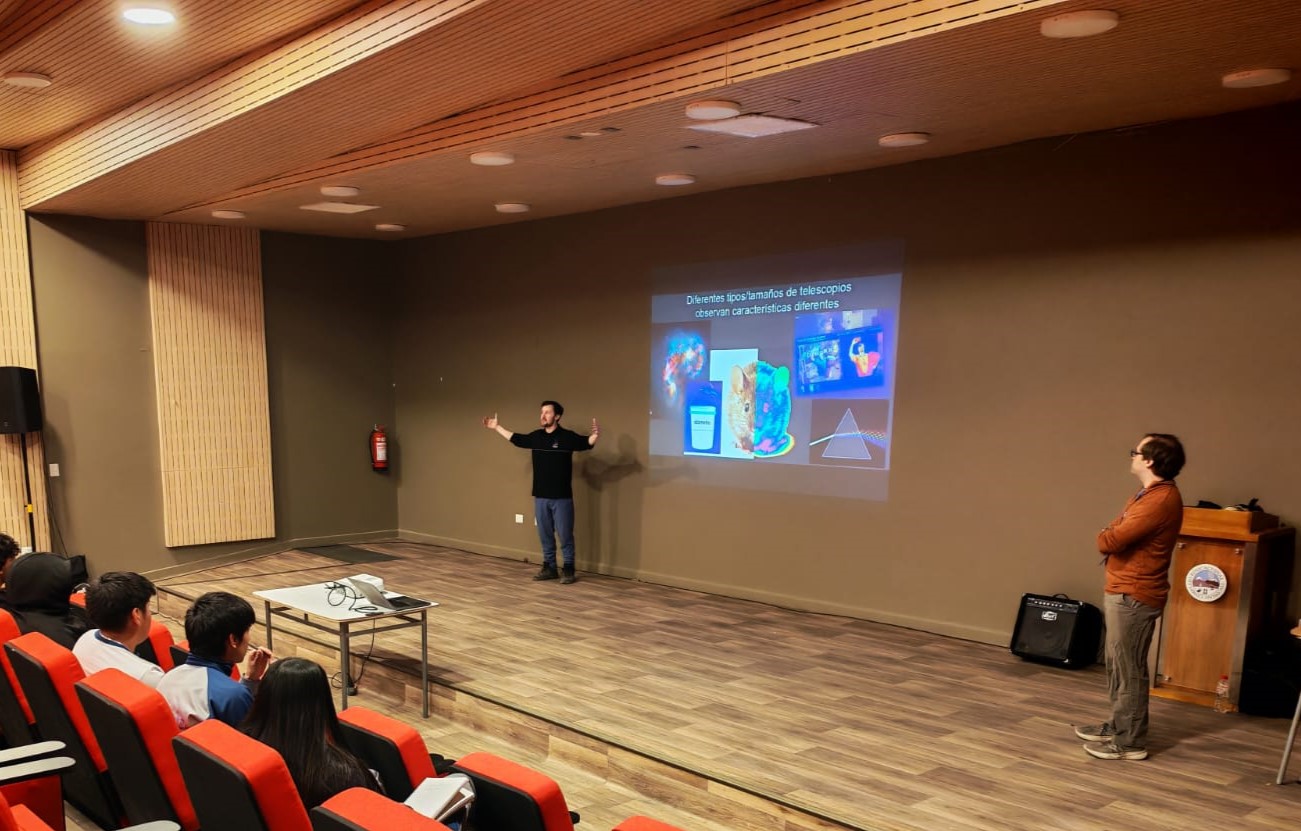
At Complejo Educacional Toconao, ALMA fellows Kevin Harrington and Dylan Paré met with students from different grade levels to discuss astronomy, their career paths, and the work they do at the observatory. During the presentations, they covered fundamental concepts for understanding the Universe, such as the speed of light, star formation, the evolution of galaxies, and ALMA’s role in the study of cosmic gas and dust.
Beyond the scientific content, both emphasized the importance of creating opportunities for young people to learn firsthand what life is like for those working in science. “I hope the students feel that they have options when choosing their careers and that pursuing their passions can open up many opportunities,” Kevin said.
For Dylan, these events also provide an opportunity to showcase a more relatable side of science. “Students can discover topics they might not usually encounter in their classes and realize that scientists are people with diverse interests and experiences,” he noted.
The talks sparked great interest among the attendees. The students asked questions about how to become astronomers, the challenges of the profession, how stars form, and even the possibility of extraterrestrial life. Several of them also took the opportunity to speak personally with the researchers after the presentations.
“I was very impressed by the students’ participation. They had lots of questions and a genuine interest in astronomy,” Dylan noted.
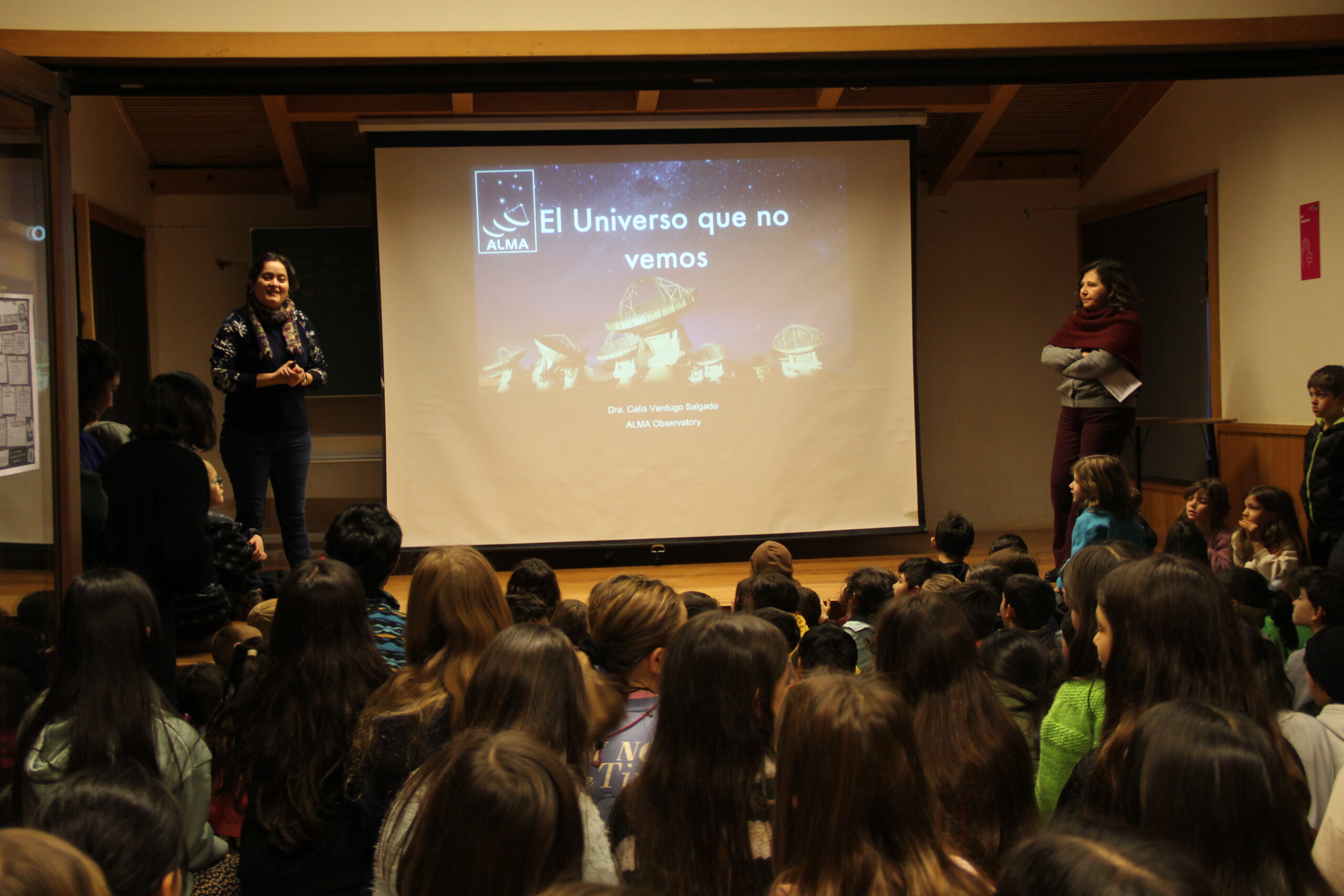
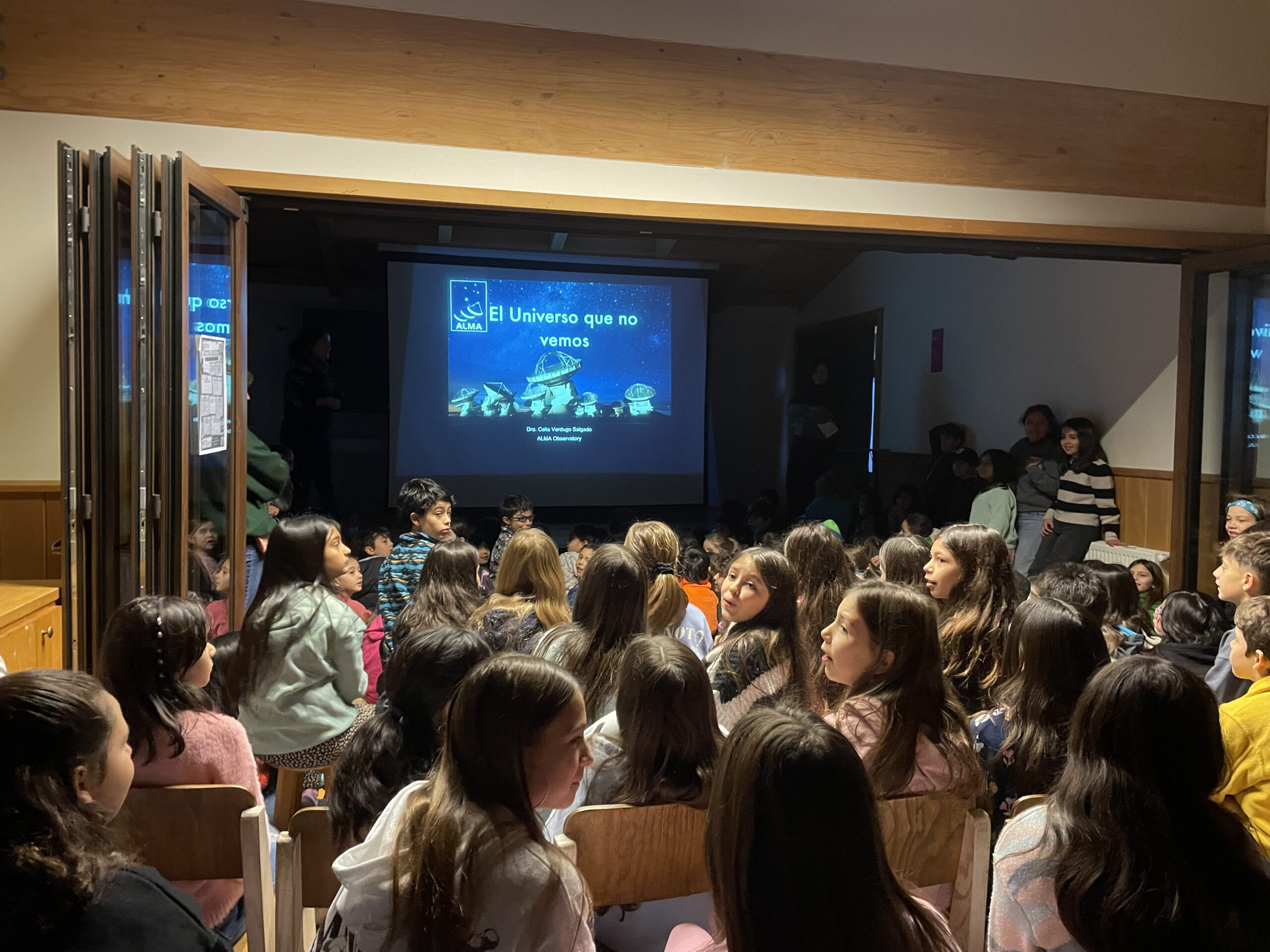
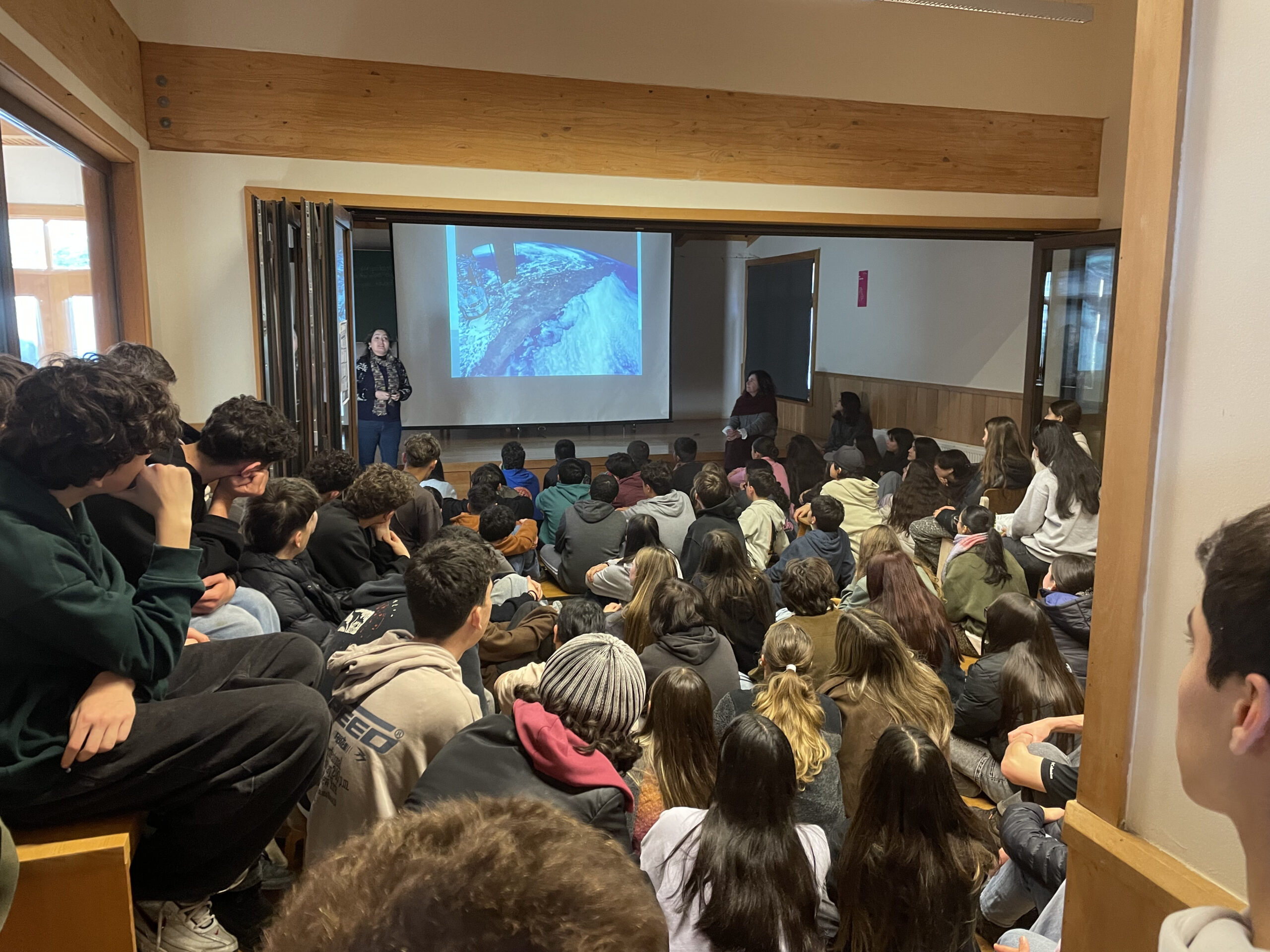
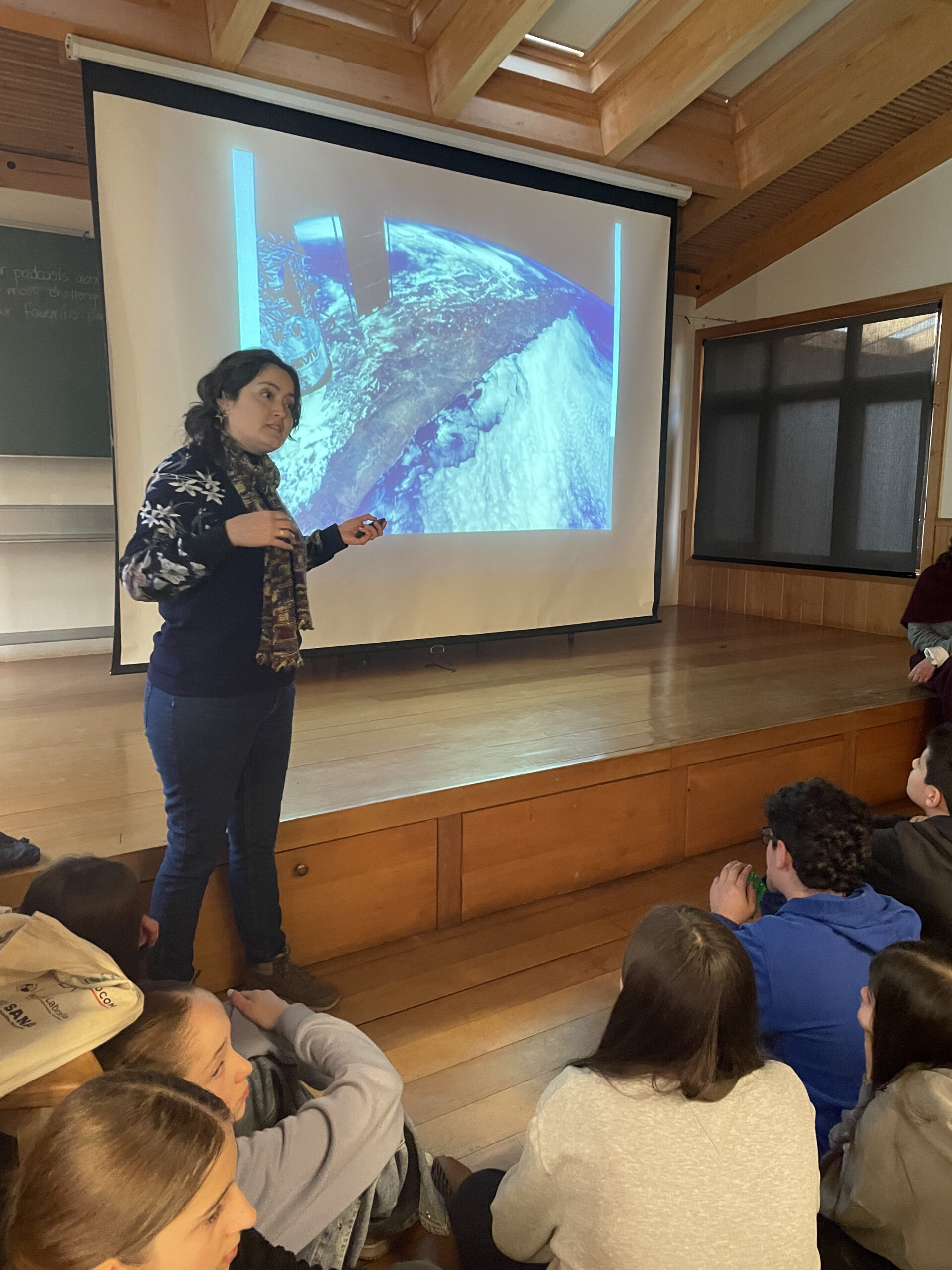
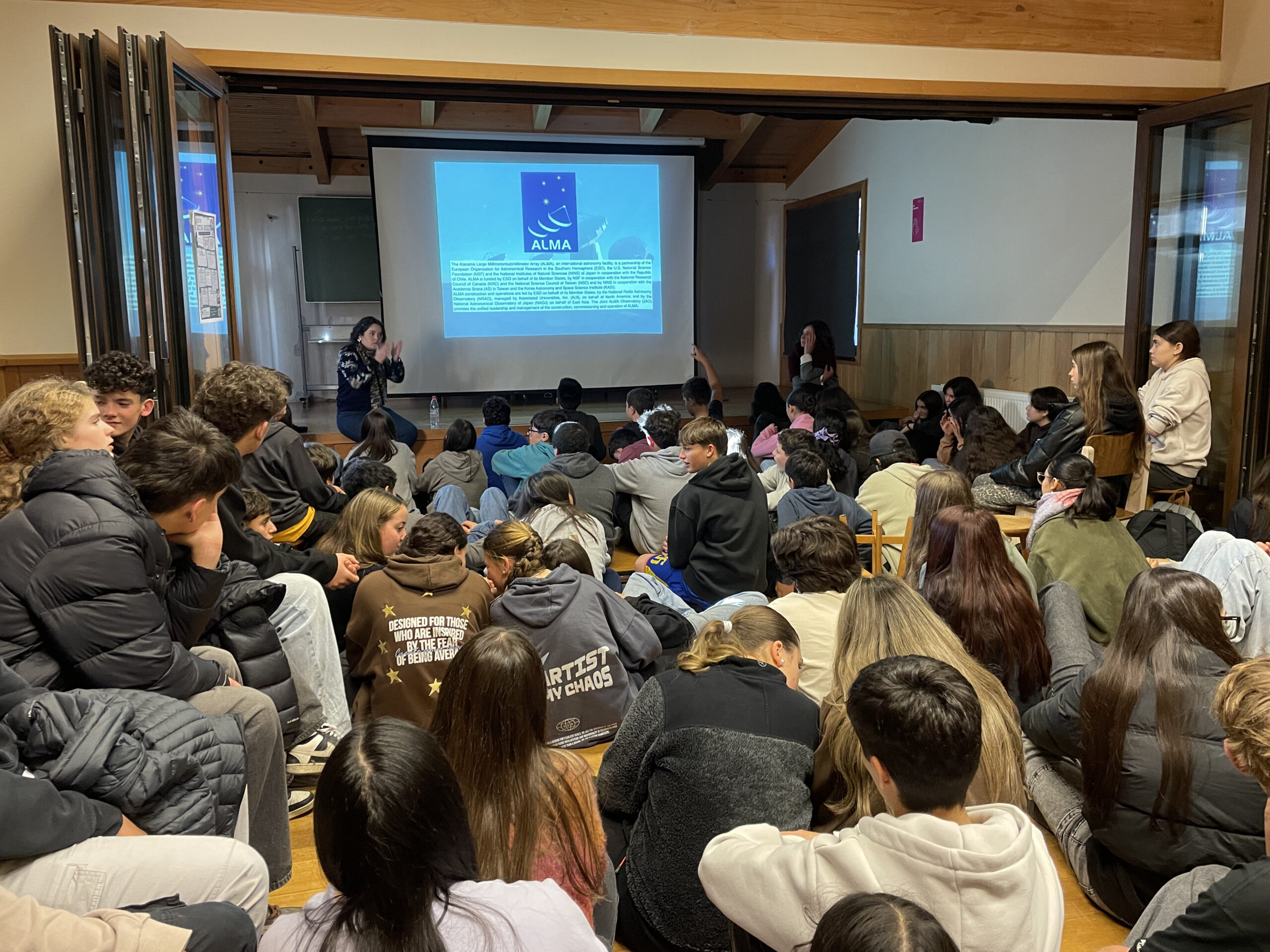
Astronomer Celia Verdugo had a similar experience during her participation in an ALMA Talks event held at Kopernikus School in Frutillar. In her talk, she explained what astronomers do, the big questions they seek to answer, and how tools like ALMA help advance our understanding of the Universe.
Celia particularly appreciated that the activity arose from the students’ own interest. “It’s very motivating to participate in initiatives that stem from a genuine curiosity to learn. The students were very enthusiastic and had lots of questions,” she said.
Among the topics that most caught the students’ attention were black holes, telescopes, and the discoveries made by ALMA. One of the questions she remembered most was why a black hole was first observed in another galaxy before the one in our own—an example of how curiosity can lead to profound reflections on the universe.
“Never stop asking questions, no matter how silly they may sound,” was the message she wanted to convey to the students.
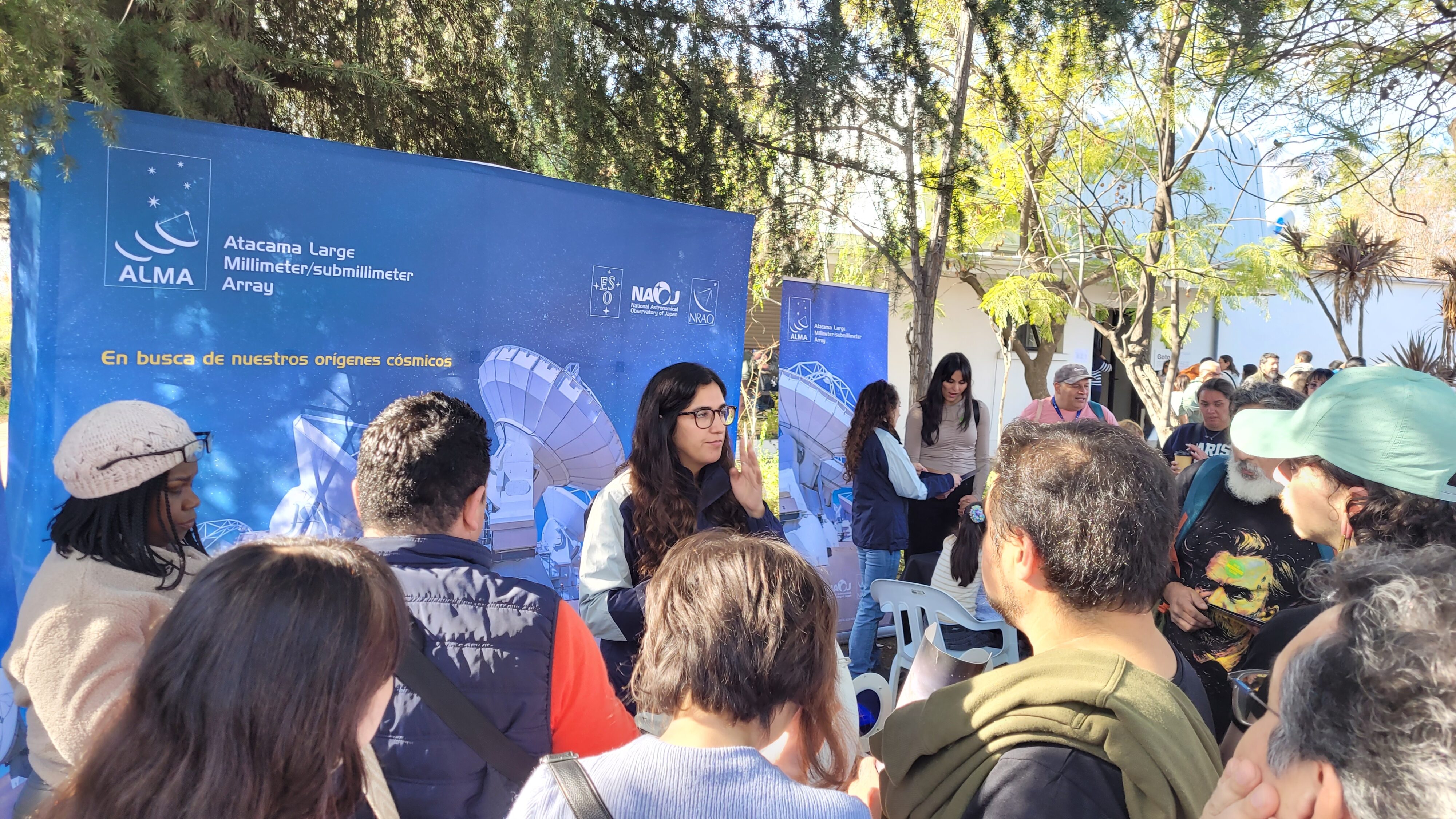
These activities reflect ALMA’s commitment to advancing education and science outreach in communities near the observatory and across the country. Through these events, researchers not only share knowledge but also inspire new generations to explore, ask questions, and discover that science can be a real opportunity to build their future.



0 Comments